


Test Special Issue

Game Change

Do elite athletes really make elite employees?

Sports, we tend to assume, offer a sharp-edged reflection of business life in microcosm — leadership under pressure, the winning mentality, valuable lessons drawn from loss. It’s all there. Just kick back with a beer and a pizza and watch your pathway to workplace success unfold on game day. Well, it turns out that the connections are often far more nuanced than we might have presumed. Do elite athletes really make elite employees? What’s the connection between Swedish pragmatics in soccer and a thriving startup culture? Have you factored in the difference between “wicked” and “kind” environments (and what does that even mean)? We investigate all of these pivotal tangents, and much more, in this Big Think special collection of essays, interviews, and curated book excerpts. Forget everything you’ve been told about the synergies between sports and business. It’s time to rewrite the rules.

Blue background with the words "Game Change" in white, surrounded by strategic game symbols and graphs in the background.
Presented by
John Templeton Foundation
derinkuyu
A basement renovation project led to the archaeological discovery of a lifetime: the Derinkuyu Underground City, which housed 20,000 people.
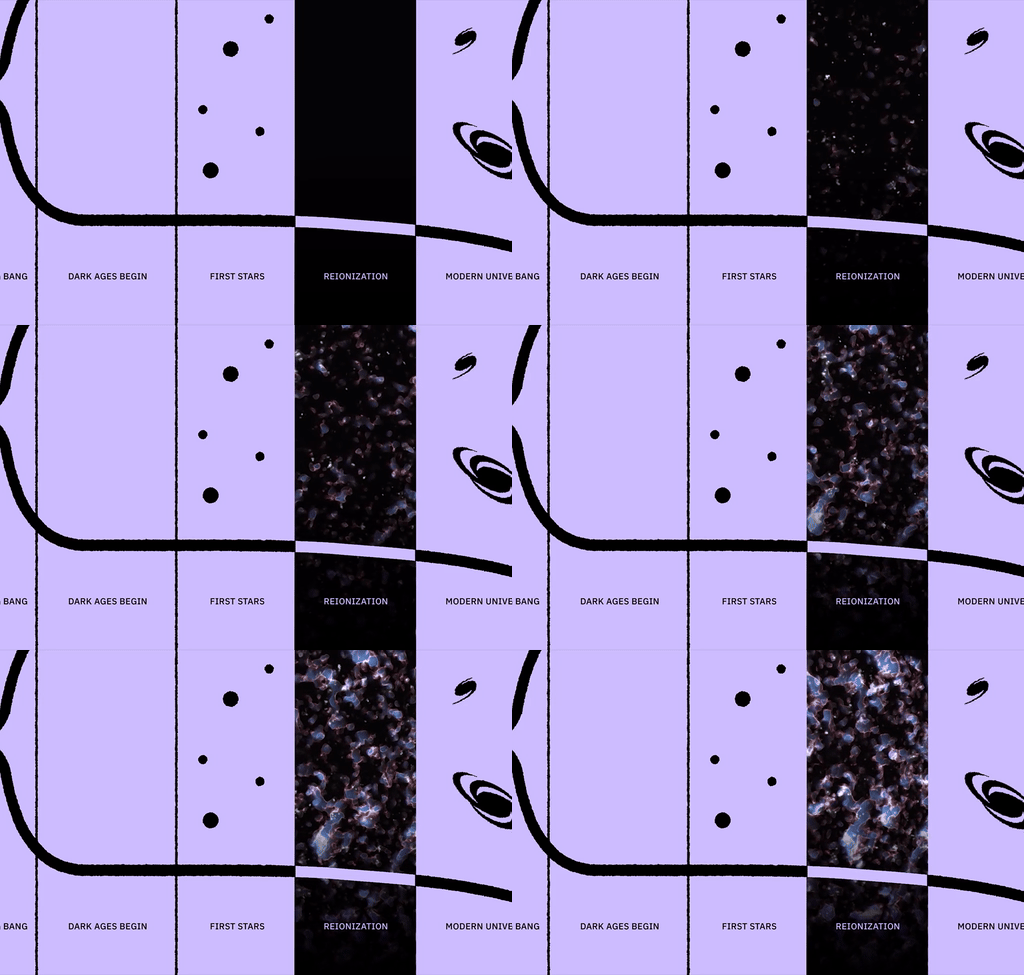
A stylized illustration of the timeline of the universe, depicting major events from the big bang through the cosmic dark ages to the modern era.
For 550 million years, neutral atoms blocked the light made in stars from traveling freely through the Universe. Here's how it then changed.
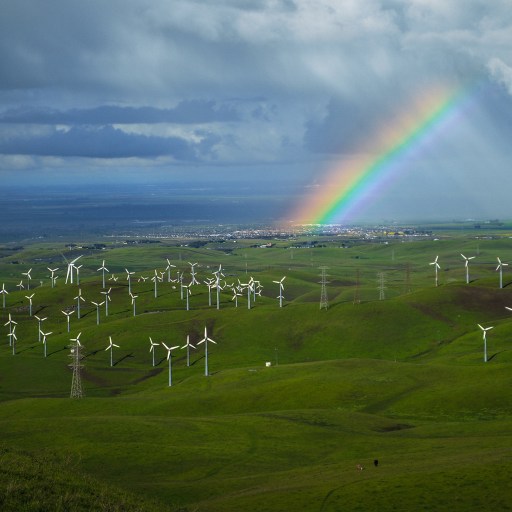
A rainbow over wind turbines.
As wind power grows around the world, so does the threat the turbines pose to wildlife. From simple fixes to high-tech solutions, new approaches can help.
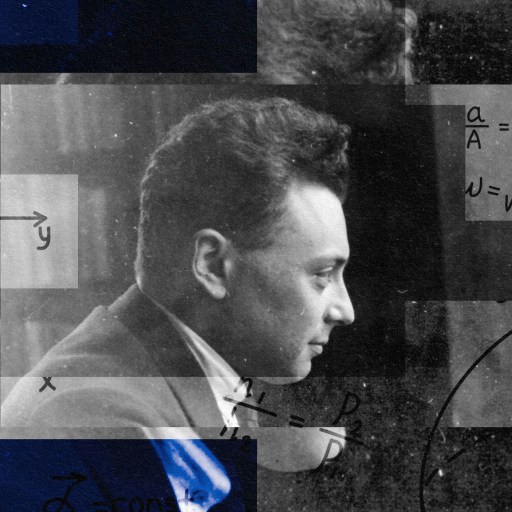
A photo of a man in front of a blue background, possibly resembling Wolfgang Pauli.
Wolfgang Pauli was a brilliant, well-liked physicist and a scathing critic of balderdash.
Portrait of Benjamin Franklin in his study.
We each have the same 24 hours in the day. How will you spend yours?
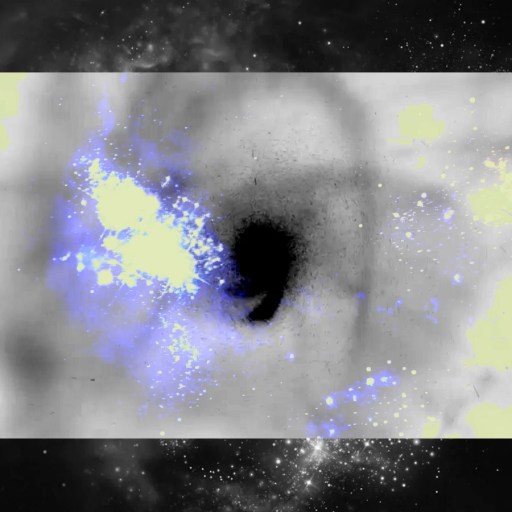
A digitally rendered image of a black hole with surrounding accretion disk and stars, depicting the era of the first galaxies.
Even after the first stars form, those overdense regions gravitationally attract matter and also merge. Here's how they grow into galaxies.
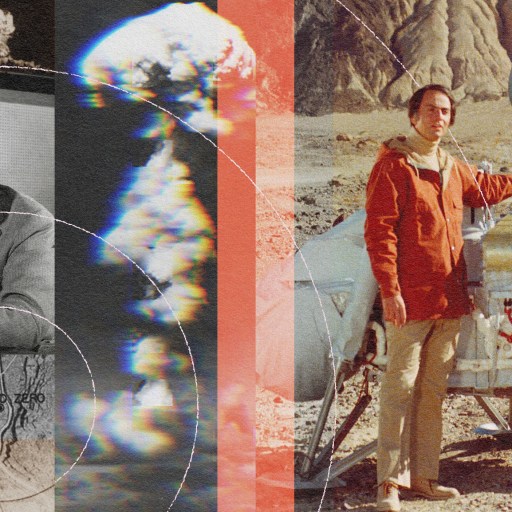
A collage of photos featuring Carl Sagan standing next to a spacecraft.
Teller and Sagan debated fiercely over nuclear proliferation. But was the conflict as personal as it was intellectual for Teller?
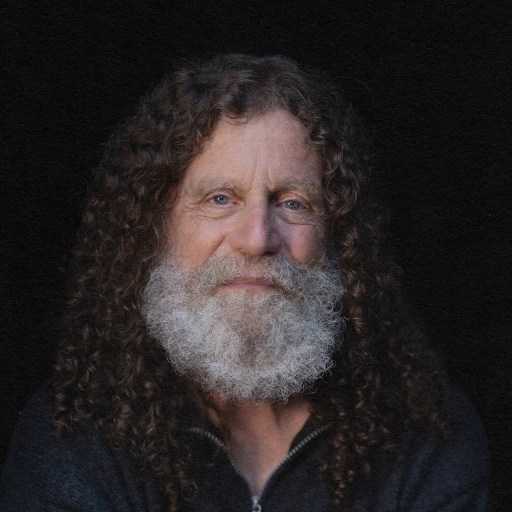
A man with long hair and a beard, embodying the concept of free will.
A volley of new insights reignites the debate over whether our choices are ever truly our own.
Two hands reaching for a speech bubble.
Many conversations start awkwardly and derail from there, but a few simple techniques can put them back on track.
A vibrant image of a galaxy with clusters of population II stars, showing second-generation stars in various colors against the backdrop of space.
The first stars in the Universe were made of pristine material: hydrogen and helium alone. Once they die, nothing escapes their pollution.
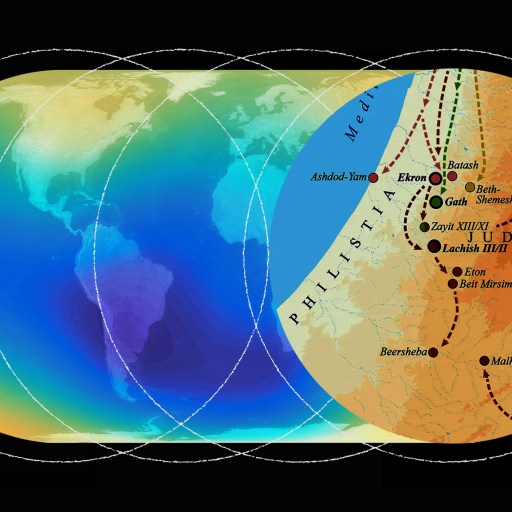
A map showing the location of Israel and Egypt, with a focus on its significance in biblical history.
When battles raged in ancient cities, their rocks blazed so brightly that they could be reoriented according to Earth's magnetic field.
A black and white photo of a snow covered mountain.
Along with obsidian that dazzled scientists in Canada.
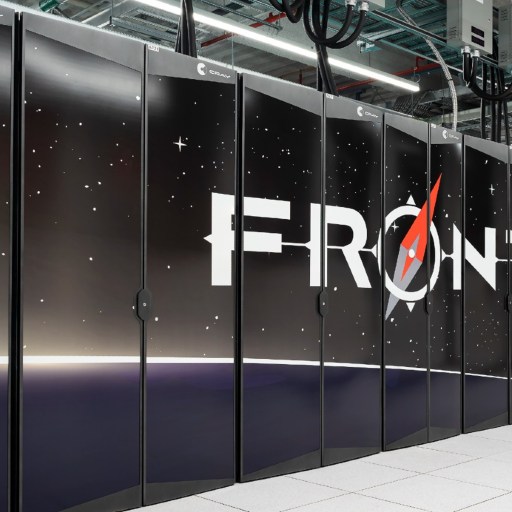
A server room with the word frontier on it.
Frontier, the ORNL supercomputer, used machine learning to perform 9.95 quintillion calculations per second.
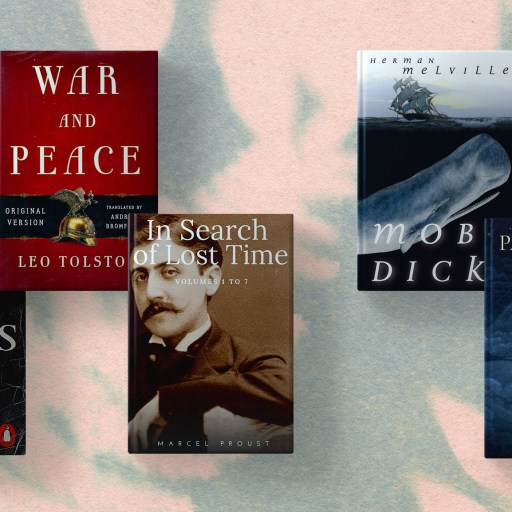
A collection of books about war and peace that you haven't read.
How to say, "In many ways, Proust is similar to Joyce" and get away with it.
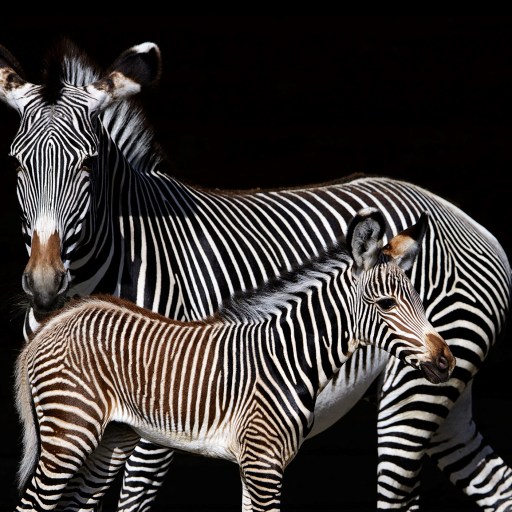
Experiencing the zebra effect, a zebra stands near a baby zebra.
The corporate unicorn was yesterday — now we should consider the wisdom of black and white stripes.
A man in a suit experiencing eudaimonic happiness while jumping in the air with a briefcase.
Between the hedonic and eudaimonic life, there's a happy medium to be found.
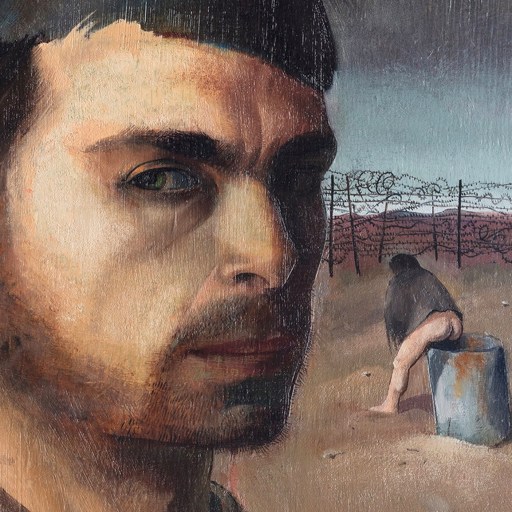
A somber painting of a man standing alone in a tranquil field.
Omer Bartov, who spent decades studying the unspeakable horrors of genocide, shares how his studies have impacted his own mental health.
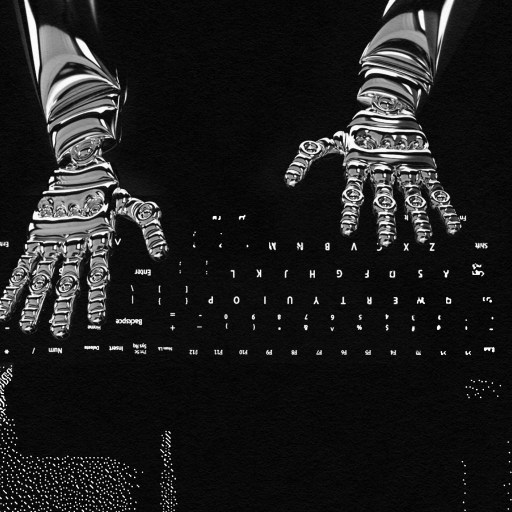
A black and white image of a skeleton holding a keyboard, highlighting the impact of AI job shift.
AI can deliver a more equitable and prosperous future — if accompanied by ethical and responsible stewardship.
The future with rays of light in the background.
29mins
Four visionaries—Kevin Kelly, Peter Schwartz, Ari Wallach, and Tyler Cowen—share their insights on the future, urging viewers to consider the impact of their actions on future generations.