


Test Special Issue

Game Change

Do elite athletes really make elite employees?

Sports, we tend to assume, offer a sharp-edged reflection of business life in microcosm — leadership under pressure, the winning mentality, valuable lessons drawn from loss. It’s all there. Just kick back with a beer and a pizza and watch your pathway to workplace success unfold on game day. Well, it turns out that the connections are often far more nuanced than we might have presumed. Do elite athletes really make elite employees? What’s the connection between Swedish pragmatics in soccer and a thriving startup culture? Have you factored in the difference between “wicked” and “kind” environments (and what does that even mean)? We investigate all of these pivotal tangents, and much more, in this Big Think special collection of essays, interviews, and curated book excerpts. Forget everything you’ve been told about the synergies between sports and business. It’s time to rewrite the rules.
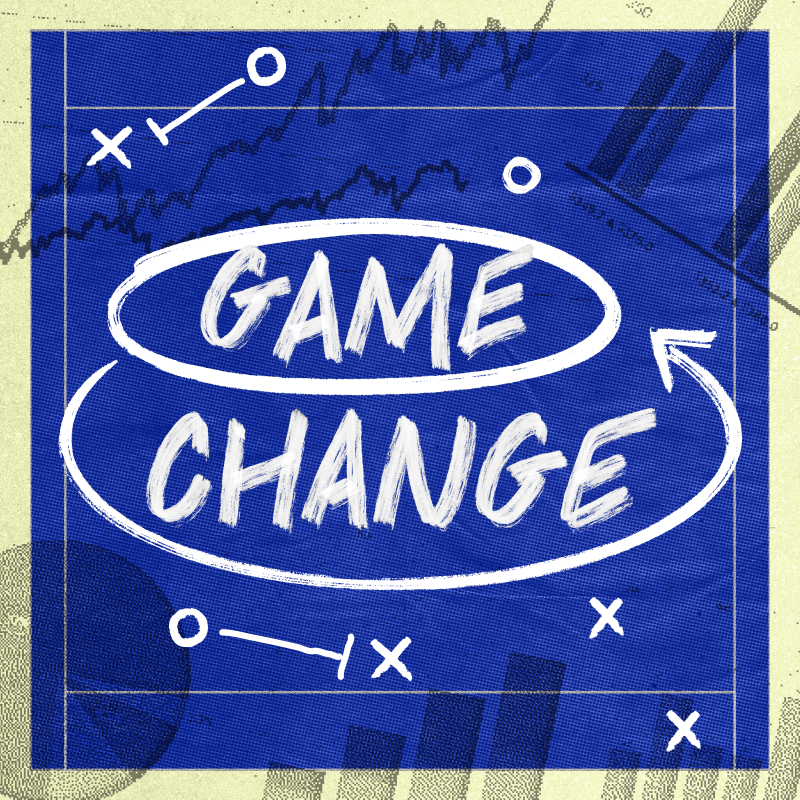

Blue background with the words "Game Change" in white, surrounded by strategic game symbols and graphs in the background.
Presented by
John Templeton Foundation
7mins
Have we evolved to understand multiple rejections on Bumble, or survive more than one ghosting from Tinder? Christine Emba explores the sociology of modern dating and how to make them more ethical.
cosmic inflation
The Universe isn't just expansion, but the expansion itself is accelerating. So why can't we feel it in any measurable way?
Book cover of "Inheritance" by Harvey Whitehouse. The white cover features a vertical tear revealing a stack of people on one side and a green landscape on the other. Subtext reads "The Evolutionary Origins of the Modern World.
Religion is a product of, and not a source of, our evolutionary moral dispositions.
A child lovingly holds a dog’s face with both hands, gazing into its doggish eyes in an outdoor setting.
It's high time owners learned to speak their dog's language.
A collage-style graphic features a man with a goatee, the title "The Nightcrawler," stock charts, and abstract shapes in orange and green.
Welcome to The Nightcrawler — a weekly newsletter from Eric Markowitz covering tech, innovation, and long-term thinking.
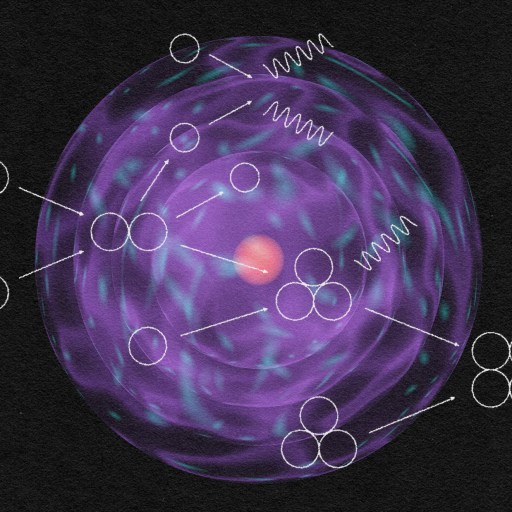
A colorful, abstract scientific illustration with a central glowing sphere, circular patterns, and various lines and circles suggesting quantum connections or uncertainty data points, on a dark background with blue accents.
No matter how good our measurement devices get, certain quantum properties always possess an inherent uncertainty. Can we figure out why?
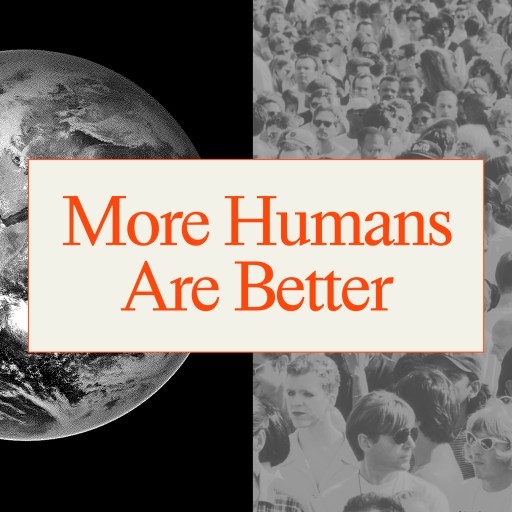
Image with a split view: the left half shows a black-and-white image of Earth, the right half depicts a grayscale crowd scene. Text overlay: "More Humans Are Better," with the number "3" in the top right corner.
In a world of rising cynicism, a celebration of our capacity to create, adapt, and thrive.
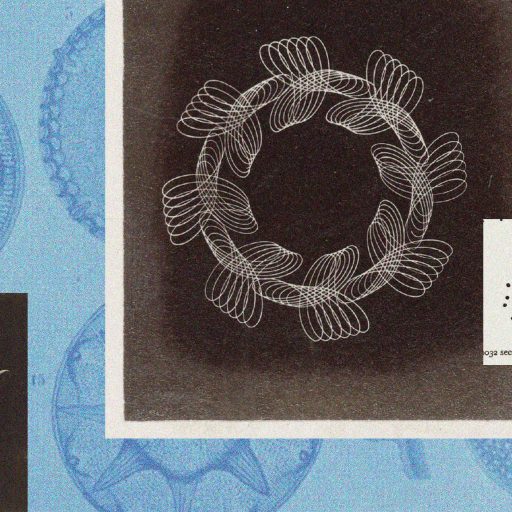
A collage featuring a detailed hand drawing, a scientific diagram of a circular interconnected pattern, and a black and white diagram resembling a microorganism on a blue background.
"What modern science has taught us is that life is not a property of matter."
first contact
Life arose on Earth early on, eventually giving rise to us: intelligent and technologically advanced. "First contact" still remains elusive.
New research from Big Think+ shows that leaders crave more feedback on their leadership and management skills.
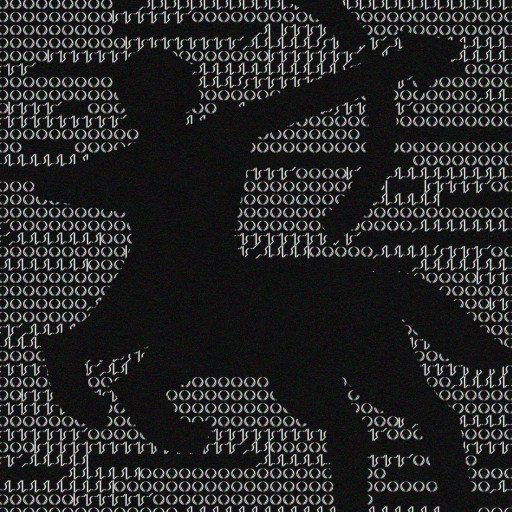
A silhouette of an archer centaur stands poised over a background of binary code, symbolizing the rise of more AI jobs.
Evidence shows that “centaurs” — human–AI teaming — produce better performance than either people or software can achieve alone.
A black-and-white image of a ship in water on the left pairs with a red-tinted photo of a large explosion on the right, capturing the essence of naval catastrophe through expert storytelling.
How “Catastrophe and Social Change” (1920) became the first systematic analysis of human behavior in a disaster.
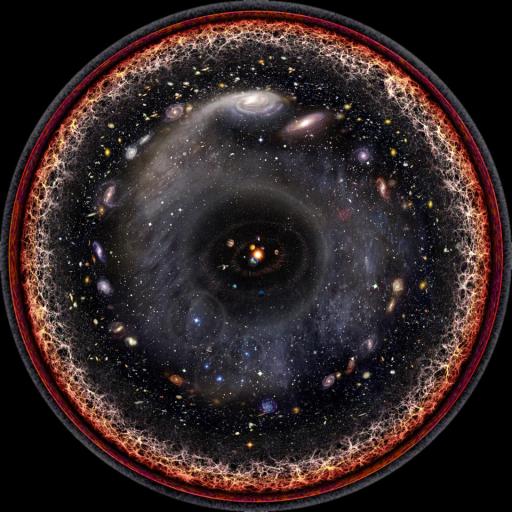
A circular illustration depicting the observable universe with various galaxies, stars, and cosmic structures emanating from a central point, symbolizing the solar system and hinting at how far away the Big Bang occurred.
If you think of the Big Bang as an explosion, we can trace it back to a single point-of-origin. But what if it happened everywhere at once?
Two individuals in hard hats and safety glasses working on complex machinery with numerous cables and metal components in an industrial setting.
DUNE is designed to detect the Universe's most antisocial particle: the neutrino.
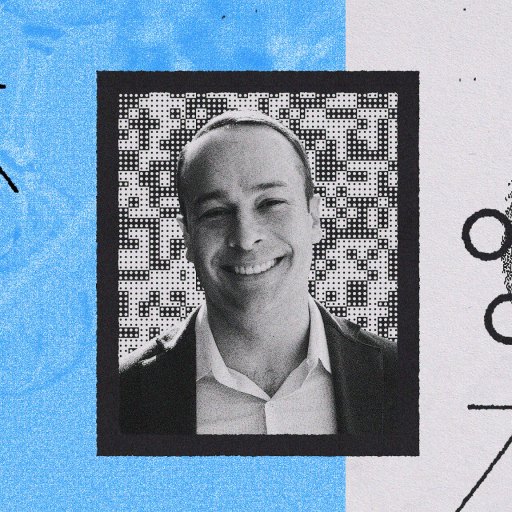
Black-and-white photo of a smiling man in a suit superimposed on a collage with abstract shapes, an office scene, and a map highlighting Santiago, Chile, capturing an emotional connection to the city's vibrant spirit.
Jeremy Johnson — co-founder of the talent network Andela — reflects on leadership in the age of remote work and AI.
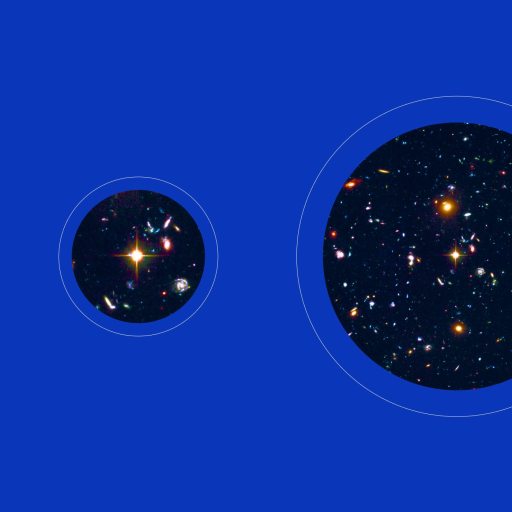
Three circles of increasing size, each containing images of distant stars and galaxies, set against a solid blue background.
3mins
What drives the universe's expansion? Chemist Lee Cronin explains the theories linking time, space, and selection, providing a fresh perspective on this cosmic mystery.
every square degree
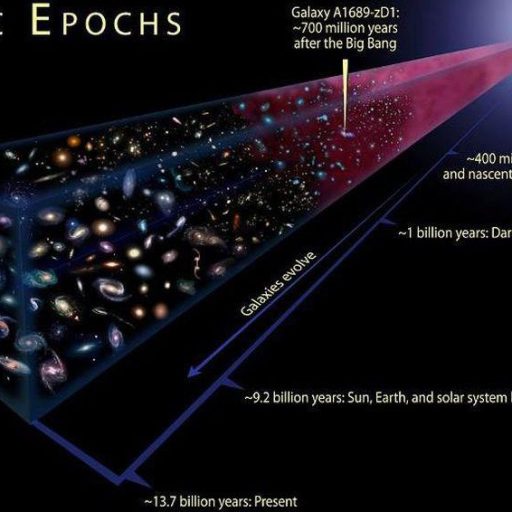
The Universe is 13.8 billion years old, going back to the hot Big Bang. But was that truly the beginning, and is that truly its age?
A wide shot of a man walking down an aisle between tall stacks of server racks in a data center filled with computer hardware.
We need more data centers for AI. Developers are getting creative about where to build them.
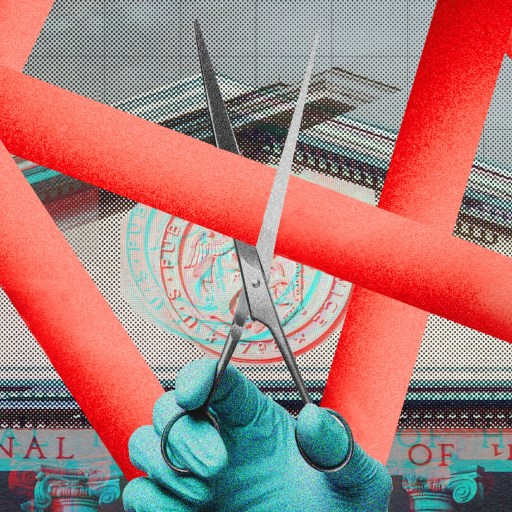
Illustration of a hand cutting red tape with scissors over a government building labeled "National of Health.
There is one obstacle that reliably blocks innovative ideas: how we fund science.
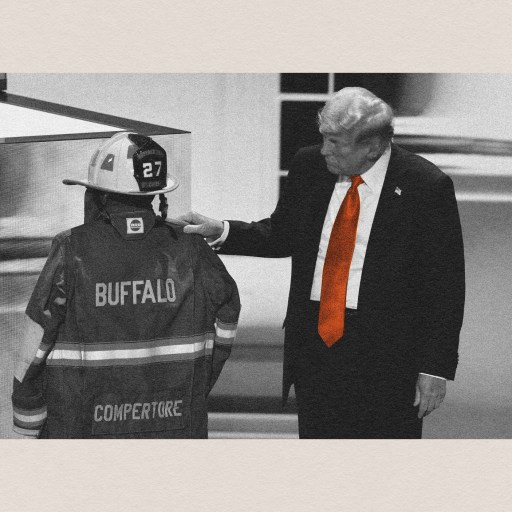
An individual in a suit and orange tie gestures toward a firefighter in full uniform and helmet labeled "BUFFALO" with the number "27", as if acknowledging everyday miracles.
Is it ever possible for God to violate the laws of nature?