








Test Special Issue

Game Change

Do elite athletes really make elite employees?

Sports, we tend to assume, offer a sharp-edged reflection of business life in microcosm — leadership under pressure, the winning mentality, valuable lessons drawn from loss. It’s all there. Just kick back with a beer and a pizza and watch your pathway to workplace success unfold on game day. Well, it turns out that the connections are often far more nuanced than we might have presumed. Do elite athletes really make elite employees? What’s the connection between Swedish pragmatics in soccer and a thriving startup culture? Have you factored in the difference between “wicked” and “kind” environments (and what does that even mean)? We investigate all of these pivotal tangents, and much more, in this Big Think special collection of essays, interviews, and curated book excerpts. Forget everything you’ve been told about the synergies between sports and business. It’s time to rewrite the rules.

Blue background with the words "Game Change" in white, surrounded by strategic game symbols and graphs in the background.
Presented by
John Templeton Foundation
A person is lying down in the dark and looking at a smartphone held above their face.
What are we supposed to do when experts look at the same data yet reach starkly different conclusions?
A pink, geometrically shaped object on a light pink background, with colorful sparkles emerging from the top, reminiscent of visual styles often generated by AI models.
More accurate uncertainty estimates could help users decide about how and when to use machine-learning models in the real world.
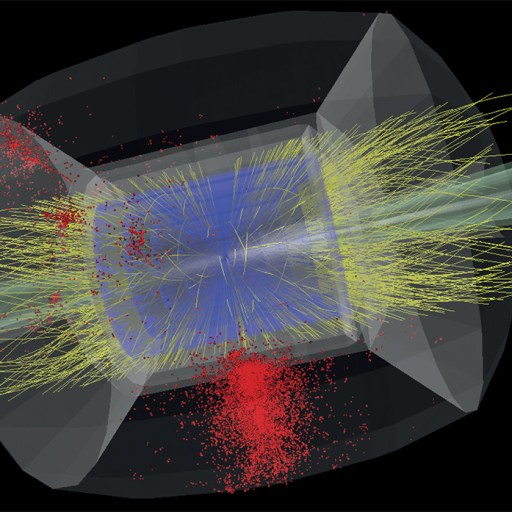
A computer-generated visualization shows particle collision data with yellow lines and red dots against a black background. The simulated particles appear to interact within a transparent geometric shape.
Today, the Large Hadron Collider is the most powerful particle physics experiment in history. What would a new, successor collider teach us?
A hand holding tweezers grips a small black square against a blue background with concentric white circles.
The lithium-ion alternatives could help create a safer, greener future.
Two ancient statues, framed by red lines, appear to be conversing through modern emoji speech bubbles. One statue displays several emojis, while the other shows a typing indicator.
"I know what you're thinking" can sound kind or creepy — depending on who's saying it.
Digital illustration of a human brain, displaying vibrant colors transitioning from green to blue and pink, set against a gradient and black background.
25mins
“We can use neuroscience and tools from psychology to learn how to take advantage of anxiety.” From Zen Buddhism to flow state, these 3 experts explain how to hack your brain.
A person with white hair and a dark hat looks surprised, mouth open and eyes wide, holding up one hand with fingers spread.
3mins
“Say what you want to say, and not what you feel.” Harvard happiness professor explains ‘metacognition’ techniques so you can grow your emotional intelligence:
Dark matter's hallmark is that it gravitates, but shows no sign of interacting under any other force. Does that mean we'll never detect it?
A digital rendering of a black hole with a glowing, distorted light accretion disk around its event horizon in space, set against a pitch-black background.
A recent paper in the journal Physical Review Letters claims to prove that a "kugelblitz" is not possible.
perseid meteor shower mt lemmon adam block
Peaking on the night of August 11/12, up to 100 bright meteors per hour will be visible. Here's how to make the most of it.
Close-up of a tree trunk with natural holes resembling a face, set against a green leafy background. This curious formation invites contemplation on the legal personhood of nature itself.
The idea of awarding legal personhood to nature has received renewed attention in the contemporary environmental justice movement, but much contention remains.
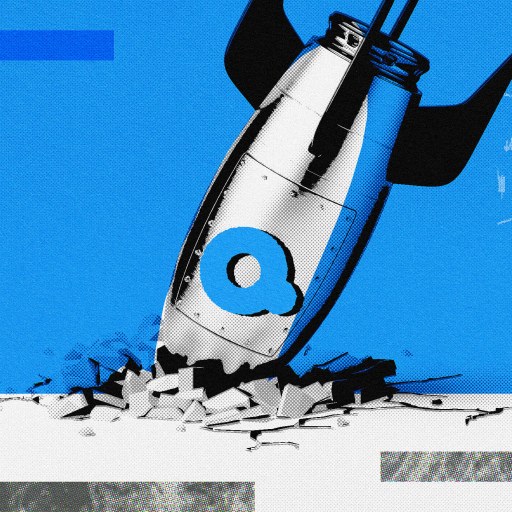
Illustration of a rocket with a blue circle logo crashing into the ground, resembling the Quibi crash, with financial chart elements in the background.
Quibi was so focused on foresight they forgot the basics of hindsight.
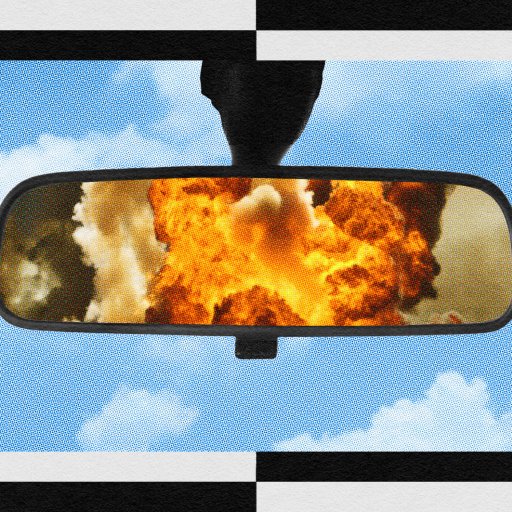
Rearview mirror reflecting the aftermath of an explosion against a backdrop of a clear, partly cloudy sky, capturing the essence of a hindsight dilemma.
Four startup founders explain how to derive lessons from the past while still looking ahead to what’s possible.
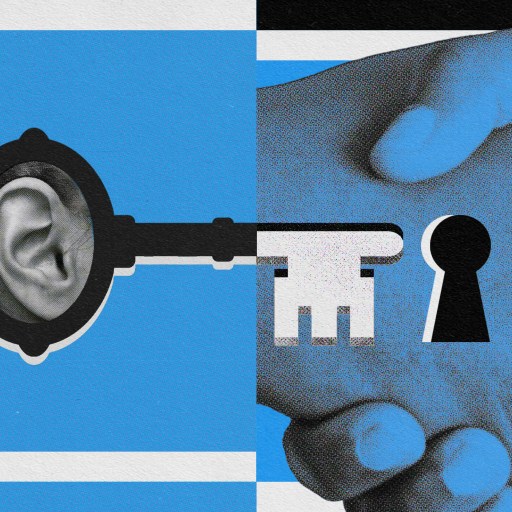
Illustration of a key with an ear inside its head part on the left and a hand holding another hand with a keyhole between them on the right. The background, reminiscent of Dale Carnegie's principles, features blue and black geometric shapes.
After almost a century in print, "How to Win Friends and Influence People" still has lessons to teach us.
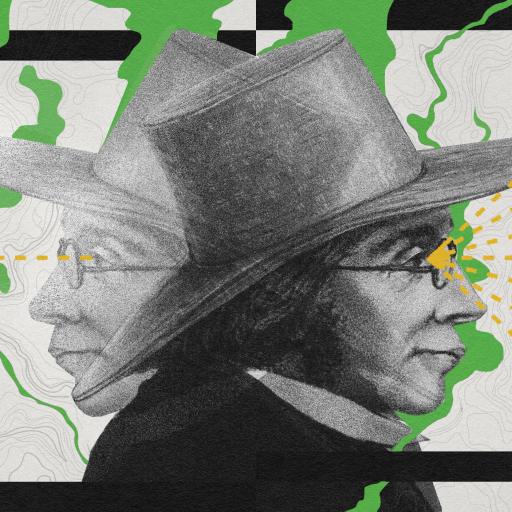
Illustration of a person wearing a hat, facing both left and right. Yellow dotted lines connect their eyes to rectangular frames, echoing the dual perspectives central to Kierkegaard's philosophy. Green splashes and line patterns form the background.
The Danish philosopher's simple paradox — living forwards while looking backwards — can be translated into golden business insights.
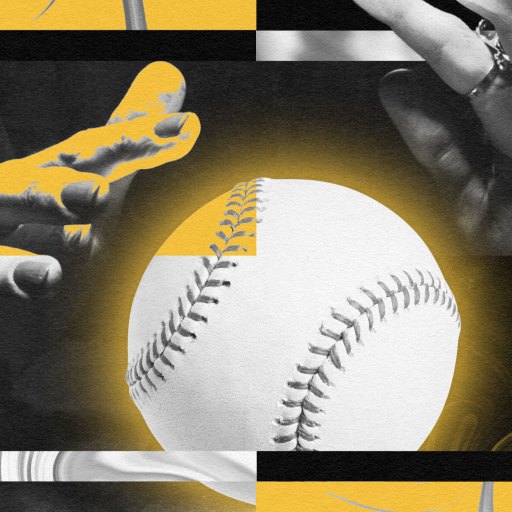
A pair of hands appears to be gently tossing a baseball, reminiscent of Moneyball strategy. The image, accented with a yellow glow around the baseball, features a modern, abstract black and white design with an AI-inspired touch.
Hindsight can cloud our predictive abilities but big data can de-mist forecasting — now AI is sharpening that focus.
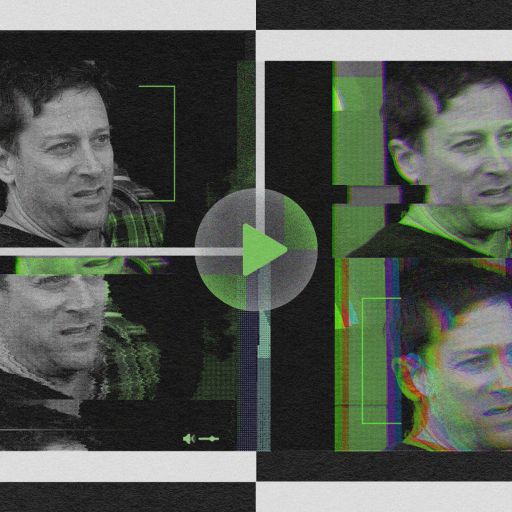
A collage of four glitchy video stills featuring the same man with various dramatic expressions, overlaid with green and purple digital distortion effects. A play button icon rests in the center, hinting at the lessons of hindsight within.
The rise and fall of Josh Harris — the genius who anticipated the digital revolution just a little too soon.
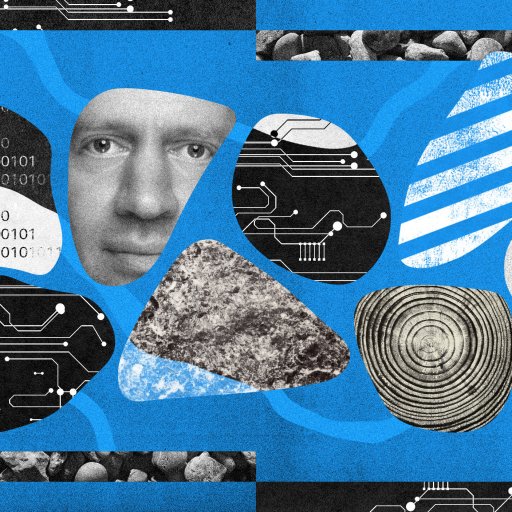
Abstract collage featuring a human face, binary code, circuit patterns, stones, and wood texture shapes against a blue and black background, capturing the essence of innovation and the wisdom of hindsight.
AI researcher and author Ken Stanley wonders how our rear-view perspective on success fits into a serendipitous mode of innovation.
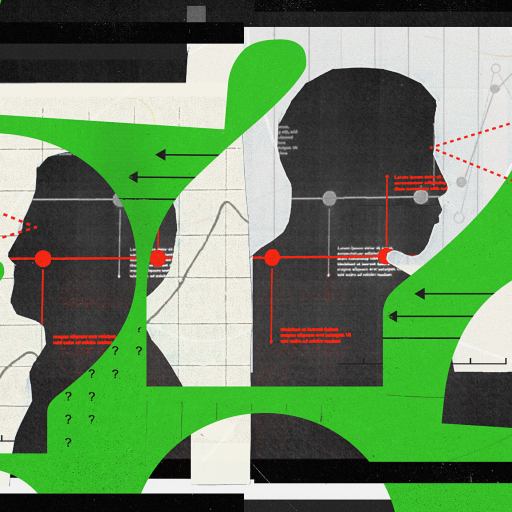
Two silhouetted profiles face opposite directions against a complex background of charts, lines, and question marks. Green abstract shapes cover parts of the image, adding to the sense of mystery and raising hindsight questions.
Carving out time for useful reflection is among the most valuable of leadership disciplines, explains “questionologist” Warren Berger.
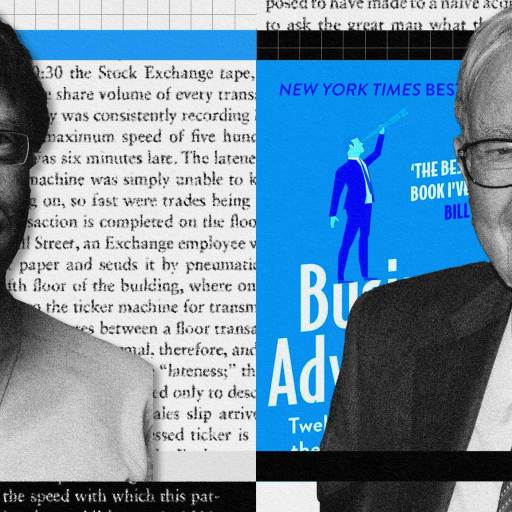
Two elderly men in glasses smiling. One man wears a white shirt and the other a suit and tie. The background features a blue book cover titled "Business Adventures," symbolizing their connection through timeless business wisdom.
"Business Adventures" by John Brooks was first published in 1969 and remains a must-read for all CEOs.