




















Search
History & Society
Trace how culture, power, and ideas shape societies across time.
11mins
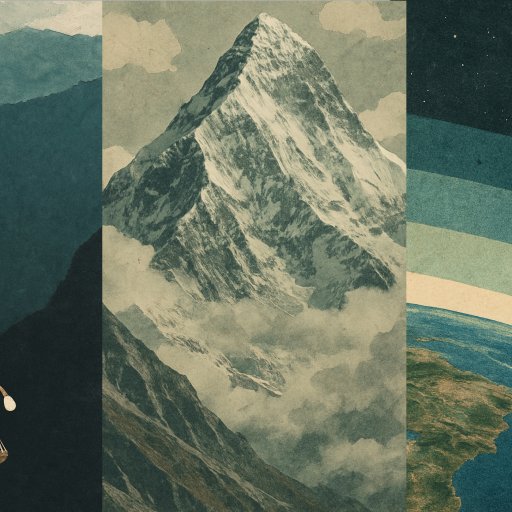
Having explored the Mariana Trench, the summit of Everest, and the edge of space, Victor Vescovo knows what awe feels like in its most dramatic forms. What surprised him most was how often that same feeling appears in everyday life.
2mins
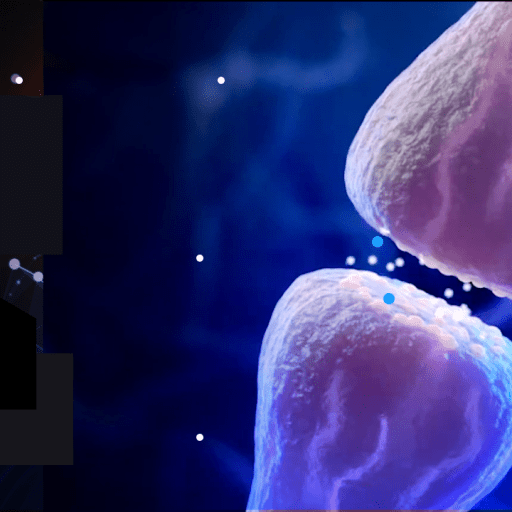
Our brains weren’t built for the amount of info we deal with now. That’s why scientists have made the case for a “second brain” — a place to dump ideas so you can actually see how they connect later.
Unlikely Collaborators

55mins
“Old systems of the past are collapsing, and new systems of the future are still to be born. I call this moment the great progression.”

1hr 42mins
“Why would adding shame and blame help me improve my behavior?”
2mins
From science to philosophy, three perspectives explore why humans can’t stop asking “why.” Our search for purpose, they suggest, is less about finding answers and more about learning how to move forward.
Unlikely Collaborators

41mins
“Progress happens when we choose to make it happen. It happens through choice and effort. And ultimately, to make progress happen, we have to believe in it.”

13mins
“People got skeptical, fearful, doubtful of the very idea of progress in the 20th century and we allowed that to slow down progress itself.”

1hr 24mins
“There are at least three very much interrelated misconceptions about trauma right now.”

13mins
“Chance invents and natural selection propagates that chance invention.”

10mins
“When you start to accept that you have profound influence on the world, but very limited control, you start to see the world differently.”

1hr 18mins
“Everyone's image of [Ancient Rome] is based on modern movies. In some ways, I think those were rather impressive, but they got some things terribly wrong.”
14mins
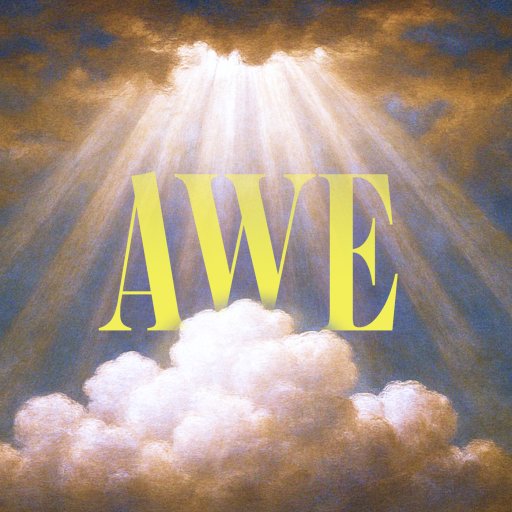
If you’ve gotten goosebumps when hearing a story about a stranger’s selfless heroism, or you’ve felt your chest swell at a concert, when the audience’s voice and the musician’s instruments align, you have felt awe. And, according to professor Dacher Keltner, who has spent his life studying it, it’s one of humankind’s most unifying traits:

15mins
"We're living in an extraordinary moment in history. We are at a moment here in 2025 where we have world historic game-changing technologies now starting to scale."

16mins
“No matter what their gods were, what they did for a living, what they wore, the songs they sang, everything varies except love, and everybody loves.”

16mins
“As a reporter, you can look into the eyes of the people you're talking to and try to evaluate what they're thinking when they say what they say. But you are not really gonna get into their brain. There's only one artistic form that allows you to do that. “

2mins
When Jesus was crucified, it led to even more followers. When books are banned, people flock to read them. Humans are fascinated by the forbidden, which is why censorship – especially in the digital age – doesn’t work. Jacob Mchangama explains.

15mins
“This is a world in which we've essentially given ourselves the tools to stop the construction of the most important product in American lives in the places where Americans often most want to move.”
2mins
Free speech may be messy, but censorship is deadly. Founder of The Future of Free Speech Jacob Mchangama explains.
6mins
Free speech can amplify hatred, but it also protects the fight against it. Founder of The Future of Free Speech Jacob Mchangama explains.

1hr 37mins
“A lot of the trends in the economy, in family life have just been much harder for working class men.”