This content is locked. Please login or become a member.











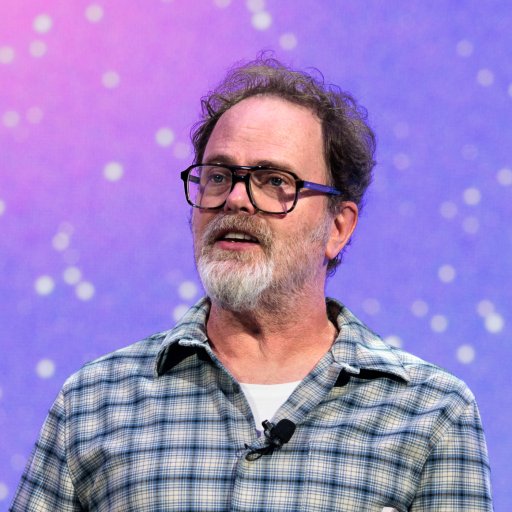
Behavioral scientist Dan Cable, philosopher Philip Kitcher, and management scholar D. Quinn Mills explore how purpose functions as both a psychological tool and a philosophical compass.
Together, they argue that purpose isn’t some distant, abstract idea, but instead, is something essential to being human. It’s how we learn, adjust, and keep going when things become difficult. When we care about meaning instead of just basic needs, we find more energy; when we rethink what we believe, we grow wiser.
We created this video for Brain Briefs, a Big Think interview series created in partnership with Unlikely Collaborators. As a creative non-profit organization, they’re on a mission to help people challenge their perceptions and expand their thinking. Often, that growth can start with just a single unlikely question that makes you rethink your convictions and adjust your vantage point. Visit Perception Box to see more in this series.
DAN CABLE: It seems that this concept of purpose is uniquely human. This idea of having an answer to the why of what we do.
All of us have stories running around in our brains about why we do what we do. A lot of times when I'm teaching a class full of MBAs or a class for executives, they're all sitting, and that would be a truthful answer. But they also could say, I'm learning. That implies that I'm listening to what you're saying, but I'm also comparing it to what I used to believe. And then I'm deciding if I need to do any updating on what I believe. Each one of these is just a different purpose. They all have the opportunity to be a true story in our brain. But we as humans have the ability to shift that focus.
When we think of the “why” of the work, meaning what is the impact the final result of this on the world? It really makes our stamina higher. It makes us much more resilient to difficulties in accomplishing that effect.
PHILIP KITCHER: Philosophy is immensely important. The search for the large ideas about truth, knowledge, beauty, justice, is a terribly important thing. Philosophy is a synthetic discipline, primarily. It's something that draws from lots of different areas and draws from life as it exists at a particular moment in time.
Philosophers are in the business of trying to give us that general picture of ourselves and our place in the world, and the kinds of lives that we live that will enable us to take the next steps in improving things for ourselves.
D. QUINN MILLS: The overarching purpose or direction for mankind as a whole is very well expressed in the definition of humanity, that Pierre Teilhard de Chardin provided. he was a Jesuit priest who, lived in China for a long time and was a kind of an anthropologist.
His definition of humanity, was evolution become conscious of itself. And it's a very powerful point of view, if you think about it. We are life, become conscious. And therefore become able to understand what we're doing, to set goals. And that is possibly unique in the universe.