
















Search
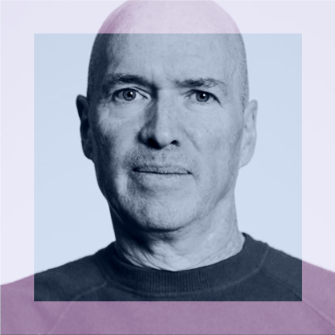
David Ryan Polgar
Contributing Writer
David is an ambidextrous thinker who likes big ideas. As a “Tech Ethicist,” he explores our evolving relationship with social media and tech from an ethical, legal, and emotional perspective. Utilizing his background as an attorney, educator, and pop culture aficionado, David offers a fresh perspective on potential trends and ways to humanize our digital lives. He is currently a speaker (3-time TEDx), branding and communications consultant, and Trust & Safety for social messaging platform Friendbase. David is researching the impact that “scaling intimacy” has on human relationships, and working on an upcoming book. He is also the co-host for Funny as Tech.
He can be contacted at TechEthicist.com and @TechEthicist.
Read Less
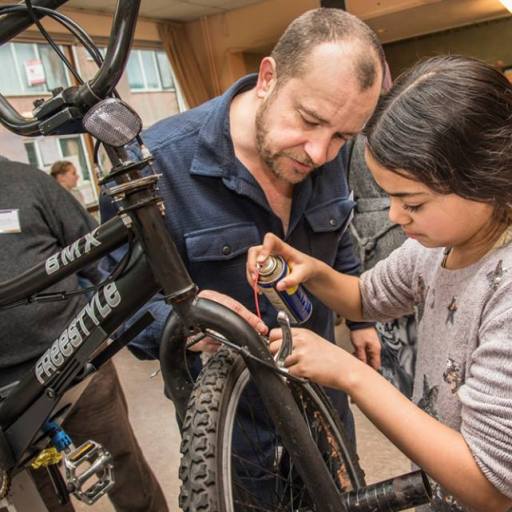
The Repair Cafe movement was started in the Netherlands in 2009 to allow people to bring in their goods to be fixed by volunteers for free. There are now over 1200 Repair Cafes throughout the world. Should you start one?
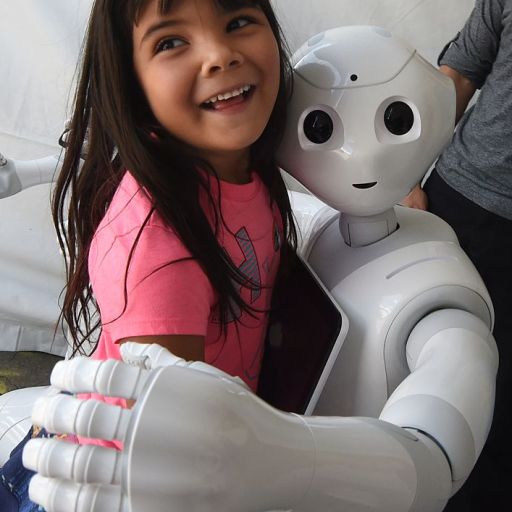
Is Disney creating a G-Rated Westworld? Disney Enterprises recently filed a patent for a "soft body robot for physical interaction with humans." The result may be similar to Baymax, the inflatable therapeutic robot from Disney's Big Hero 6.
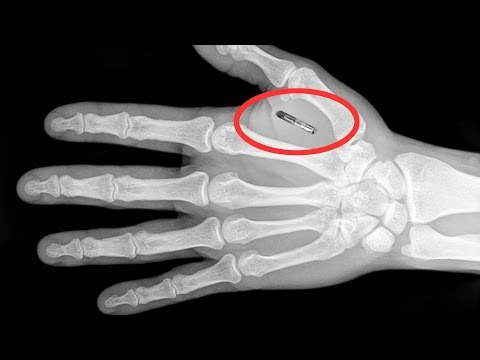
Microchipping humans may be common in the future. The prospect of constantly being tracked and online raises some major ethical concerns. Futurist and humanist Gerd Leonhard provides insight into where we're headed.
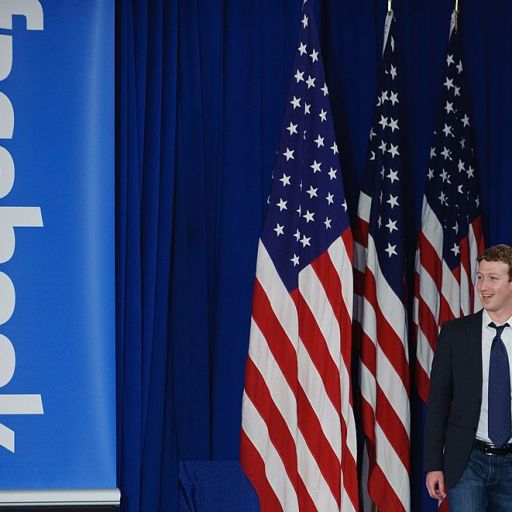
Do you want your voice heard? Facebook recently unveiled a tool called Town Hall which makes it incredibly easy to contact your elected officials. By removing the friction of contacting politicians, Facebook may be creating a "social infrastructure" that increases civic engagement.

Your Internet Service Providers are collecting and selling your browsing history. Does that bother you? If so, it may be time to setup a Virtual Private Network (VPN) to better encrypt your data and spoof your location.

Congress has voted to repeal online privacy rules that would have given consumers greater notice and control over their data. Internet Service Providers such as AT&T and Verizon will now be able to sell your browsing history, app usage, and geo-location.
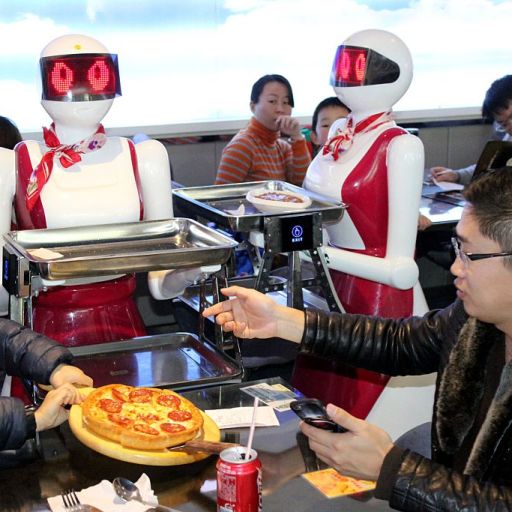
How are we preparing for the massive disruption that AI and automation will have on the workplace? We're not. Despite a PwC report stating that 38% of American jobs may be automated in the near future, US Treasury Secretary Mnuchin states that losing jobs through AI is "not even on our radar screen."