













Search
David Ryan Polgar
Contributing Writer
David is an ambidextrous thinker who likes big ideas. As a “Tech Ethicist,” he explores our evolving relationship with social media and tech from an ethical, legal, and emotional perspective. Utilizing his background as an attorney, educator, and pop culture aficionado, David offers a fresh perspective on potential trends and ways to humanize our digital lives. He is currently a speaker (3-time TEDx), branding and communications consultant, and Trust & Safety for social messaging platform Friendbase. David is researching the impact that “scaling intimacy” has on human relationships, and working on an upcoming book. He is also the co-host for Funny as Tech.
He can be contacted at TechEthicist.com and @TechEthicist.
Read Less

Handle, the latest robot from Google-backed Boston Dynamics, elicits both excitement and anxiety. The company's founder has described it as "nightmare-inducing."
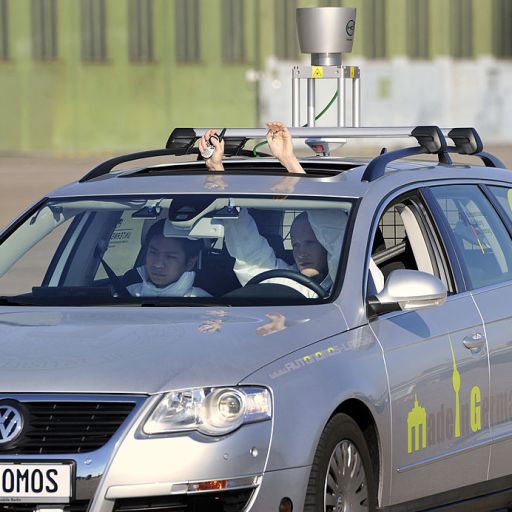
Self-driving hobbyists and researchers can now build a self-driving vehicle for around $700. Utilizing free software and hardware plans from George Hotz's startup Comma, brave enthusiasts are crowdsourcing solutions as we move towards more autonomous vehicles.

Facebook knows about your past, present, and likely future. But how do they know this information? Data Selfie is a creepy new tool that will give you an answer. The free plugin provides a gateway into the data mining and predictive analytics that is used by Facebook to create your online identity.
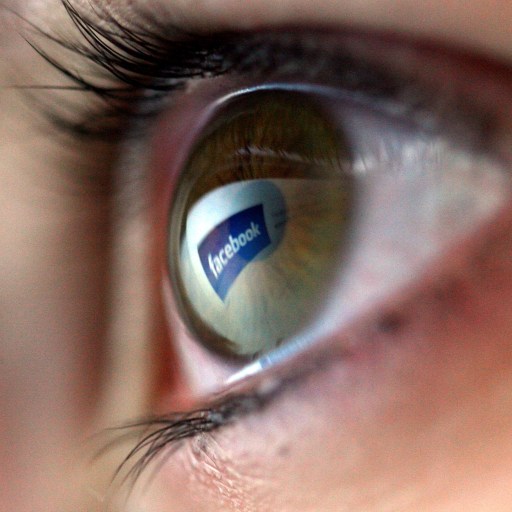
The world's largest social network now has a feature, Jobs on Facebook, that is free for both job posters and job seekers. For millions of underemployed workers already on Facebook, it may be a welcome feature.
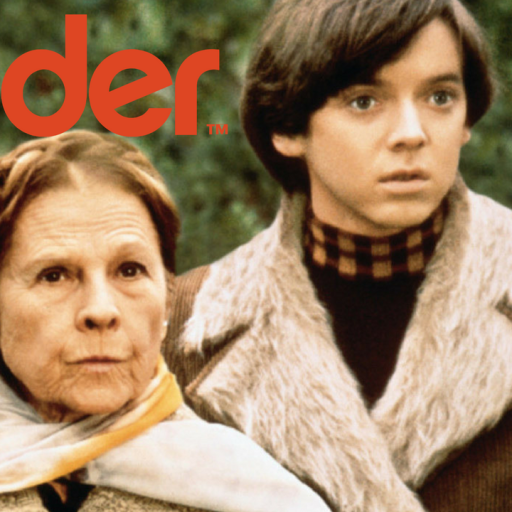
The 1971 cult classic Harold and Maude is an unlikely love story between a depressed 18-year-old Harold and a lively 79-year-old Maude who meet at a funeral. Given the rise is online dating and its impact on how couples unite, it is fair to ask: If Harold and Maude was set in 2017, would Harold pick Maude on Tinder?

Should political preference be a deal-breaker when looking for love? There are now dating sites for progressives, Trump fans, and Americans looking to escape the Trump presidency by marrying a Canadian. In an age of deep political polarization, dating sites based on ideology may exacerbate the problem and prevent a star-crossed love from blossoming.

Do we really care about privacy? An interview with Manoush Zomorodi, host of WNYC's Note to Self, about The Privacy Paradox campaign. She discusses an ethical code needed for technologists, why the typical ad-based business model online is not sustainable, and why it's time for internet users to be "digitally woke."