












Search
David Ryan Polgar
Contributing Writer
David is an ambidextrous thinker who likes big ideas. As a “Tech Ethicist,” he explores our evolving relationship with social media and tech from an ethical, legal, and emotional perspective. Utilizing his background as an attorney, educator, and pop culture aficionado, David offers a fresh perspective on potential trends and ways to humanize our digital lives. He is currently a speaker (3-time TEDx), branding and communications consultant, and Trust & Safety for social messaging platform Friendbase. David is researching the impact that “scaling intimacy” has on human relationships, and working on an upcoming book. He is also the co-host for Funny as Tech.
He can be contacted at TechEthicist.com and @TechEthicist.
Read Less
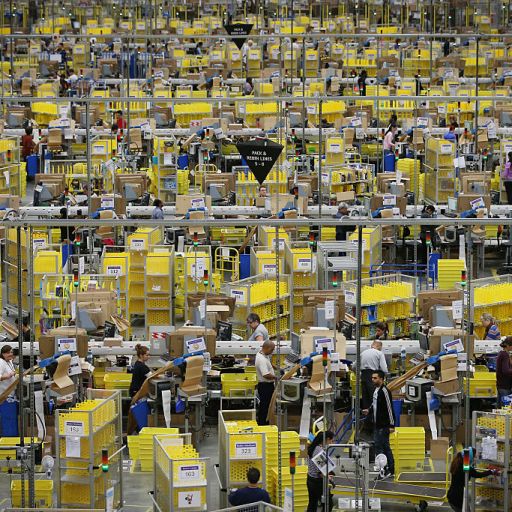
Despite our focus on China, Amazon may be displacing more American workers. How do we create a human-first economy when what is beneficial to us as consumers may not align with what's best for American workers?

Bottoms ups! A Southern Calfornia brewery is taking its beer from toilet to tap. San Diego's Stone Brewing has started making Full Circle Pale Ale using treated sewage water and recently held a tasting. While Bill Gates has shown that drinking "poop water" is perfectly fine, will consumers chug down this beer?

Married Americans are now having sex 11 fewer times per year than in 2002, according to a new study published in the Archives for Sexual Behavior. What is causing this dramatic change?

Is Alzheimer's triggered by too much sugar? We have long known that consuming too much sugar is related to obesity and diabetes. A new UK study has found a molecular "tipping point," where a crucial enzyme related to insulin regulation is damaged by excess glucose. This may have a major impact on our understanding of the cognitive disease along with our diet.
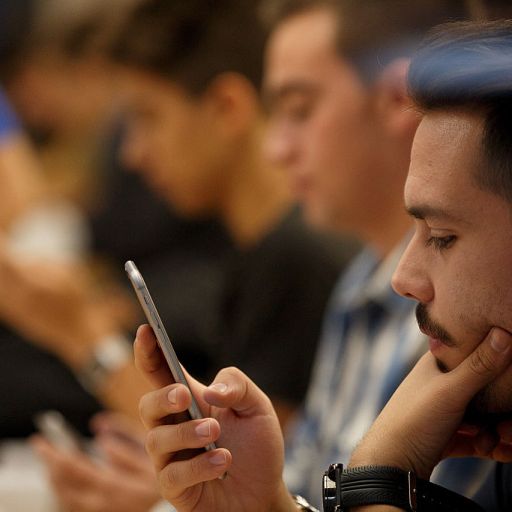
The new data dump by WikiLeaks showcases just how vulnerable our smartphones and smart TVs are to hacking. This first release, part of the larger Vault 7, provides insight into the massive capabilities of the CIA to use popular tech tools as a form of surveillance. Now, what happens when it gets into the wrong hands?
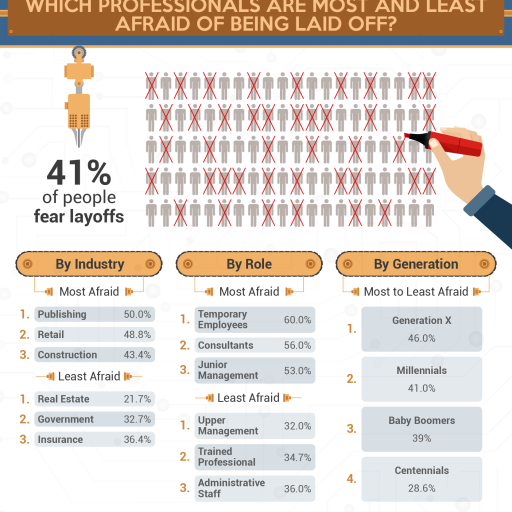
Is AI a job booster or job killer? 41% of Americans fear getting replaced by AI, automation, and digitization, according to a new survey by SelectHub. What does this mean for the future of work? The survey also found that Gen Xers were most likely to be concerned and that certain industries were more worried than others.

New Zealand is enticing people to join their growing tech scene by offering an expenses-paid trip to check out the country, get interviewed, and make a giant career move.