









Search
David Ryan Polgar
Contributing Writer
David is an ambidextrous thinker who likes big ideas. As a “Tech Ethicist,” he explores our evolving relationship with social media and tech from an ethical, legal, and emotional perspective. Utilizing his background as an attorney, educator, and pop culture aficionado, David offers a fresh perspective on potential trends and ways to humanize our digital lives. He is currently a speaker (3-time TEDx), branding and communications consultant, and Trust & Safety for social messaging platform Friendbase. David is researching the impact that “scaling intimacy” has on human relationships, and working on an upcoming book. He is also the co-host for Funny as Tech.
He can be contacted at TechEthicist.com and @TechEthicist.
Read Less

American ingenuity is often foreign-born. With 51% of tech unicorns (valuation over a billion dollars) having an immigrant founder, we take a look at the Top 20 tech influencers with strong immigrant ties.
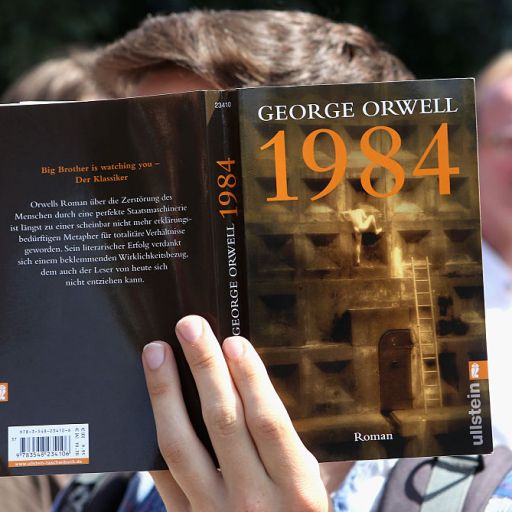
Kellyanne Conway's recent appearance on NBC's Meet the Press, where she used the dystopian-sounding phrase "alternative facts," sounded eerily similar to George Orwell's 1984 concept of newspeak and doublethink.

The spreading of misinformation and doubt has undermined support for climate change. Despite broad consensus from climate scientists that humans are largely responsible for climate change, only 27% of Americans think there is agreement. New research points to a possible way to "vaccinate" against this misinformation.

Bill Gates may be the world's first trillionaire in 25 years. That's according to a projection by Oxfam, using an 11% rate of return that has been typical in recent years for the world's wealthiest individuals.

Many teens are showing up to school sleep-deprived from late night social media use, and it may be hurting their academic performance. Researchers find that "over a third of young people appear to be waking up during the night to send or check messages via social media."
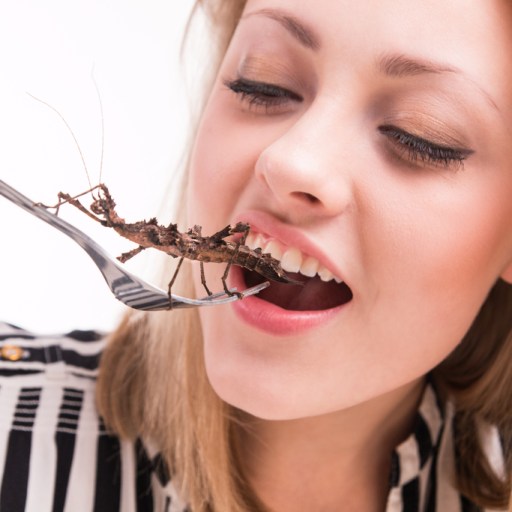
Over 2 billion people worldwide eat insects, such as crickets. Crickets are easy to harvest, high in protein, and nutrient rich. In an age of growing environmental awareness about the significant resources needed for raising livestock, crickets would seemingly be the food of the future. Why aren't they on your dinner plate?

Important new research on the right amount of screen time for teens. A Large-Scale Test of the Goldilocks Hypothesis: Quantifying the Relations Between Digital-Screen Use and the Mental Well-Being of Adolescents, tested the theory that instead of a linear relationship between teen screen-time and harm, there was an amount that was just right.