This content is locked. Please login or become a member.





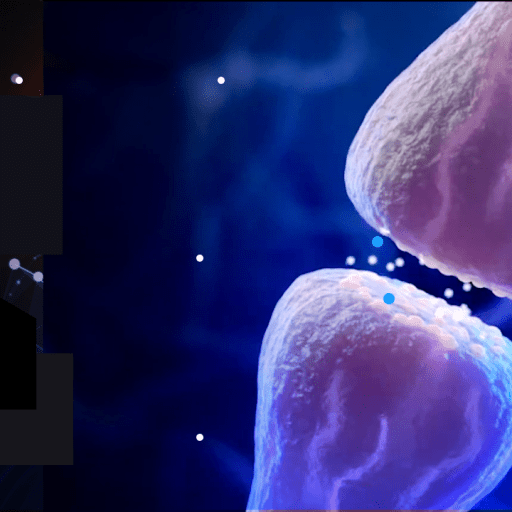
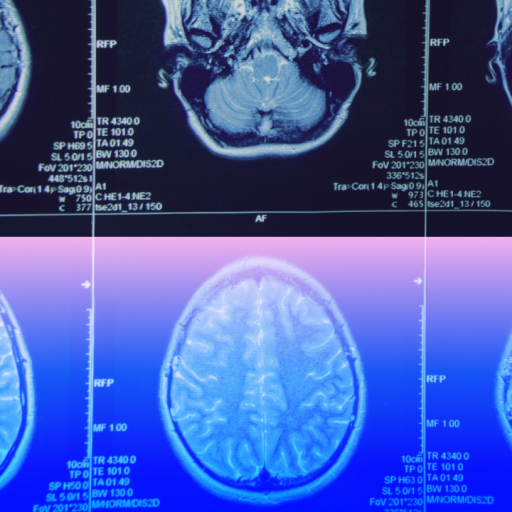



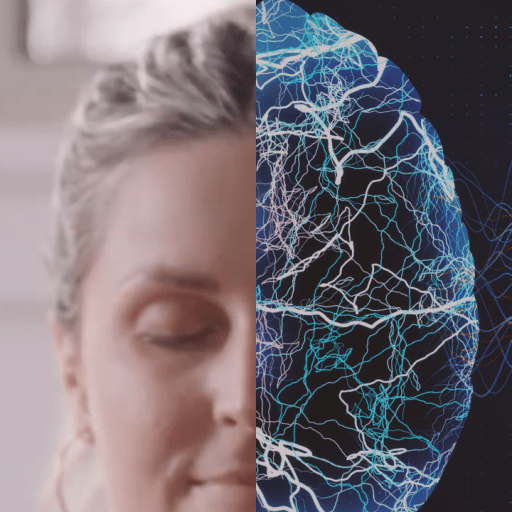
Every 90 minutes, our bodies go paralyzed while our brains become more active than during waking life. Sleep psychologist Dr. Shelby Harris and neuroscientist Dr. Patrick McNamara, Associate Professor of Neurology at Boston University, dig into one of the most fascinating mysteries in human biology: why we dream and what our brains are actually doing during REM sleep. They explore competing theories of what dreaming is for, McNamara makes a compelling case that REM sleep may have been a key driver of early human creativity, and both reflect on why reclaiming our reverence for the dream state could change the way we think and create.
We created this video for Brain Briefs, a Big Think interview series created in partnership with Unlikely Collaborators. As a creative non-profit organization, they’re on a mission to help people challenge their perceptions and expand their thinking. Often, that growth can start with just a single unlikely question that makes you rethink your convictions and adjust your vantage point. Visit Perception Box to see more in this series.
In the modern age, we've lost our reverence for the dream state. But more and more evidence is accumulating, which suggests that REM sleep was absolutely critical to the evolution of the special cognitive capacities that human beings evidence, and our special creativity.
There are some people who believe that dreams really are just kind of a throwaway thing. There are other people that think that dreams actually do serve a purpose.
Human REM sleep has a lot of very peculiar characteristics. Every 90 minutes we go into REM sleep, and our bodies become paralyzed, yet our brains are more activated than they are during waking consciousness, and we're forced to watch these things we call dreams. So why would Mother Nature do something like that?
The older models, when you look at Freud, and you look at more Jungian thought, and there's still people who really use the Jungian thought of dream analysis is really that you analyze the dreams. The dreams are there for a purpose. For some people, they say it's about wish fulfillment. It's about the things that you're never able to do in your day, you're actually fulfilling at night. There are other people who will say that it's actually telling you something. If there's a lot of fear that's going on, if there's a lot of anxiety, it's manifesting itself in your nocturnal world. So that analyzing it can help to open up thoughts about what you need to do during the day.
So a lot of people who subscribe to the psychoanalysis, the Jungian thought, will really focus a lot on dreams, the meaning, and how it can be used to help you during the day. Now, if you go to more modern thought, there are some people who believe that dreams really are just kind of a throwaway thing. They're just a way of your brain processing what's happened during the day, but there's really no meaning to them. A lot of imagery are just flashes of what happened. There are other people that think that dreams actually do serve a purpose, but what that purpose is, we're not really sure.
So some people will believe that it actually does have some psychological representation of what's going on in the day, but there's no need to sit and really analyze it. Other people, like myself, think the dreams are almost a reenactment of what happened during the day, but it's a way of you figuring out and your brain processing to figure out what does it need to hold onto and remember, and what can it just throw away. So it's like your brain has a large filing cabinet, and it's opening up each drawer, and it's taking in various images and memories from the day, consolidating what it needs to, and puts it in whatever file. And then if there's something that doesn't fit in any of the files and doesn't really belong, you'll forget about it. So it's a way of really getting a succinct way of storing things in your brain.
We see glimpses of these other possible worlds in our dreams. What REM sleep normally does is it creates all kinds of bizarre ideas, but all kinds of creative ideas as well. When our ancestors in the Upper Paleolithic acquired greater access to the REM sleep state, both during sleep and during waking consciousness, it helped to fuel the onset of cumulative cultural evolutionary processes.
We know that REM sleep is especially important for human beings because it creates these dissociative experiences and associative experiences. The dissociative experiences are something that lots of us experience. It's this dreamy states, where you feel like you're not quite yourself and you're in a, like a deja vu experience, or a fluid mental state, a flow state, but you're not sure what's real, what's unreal, because you're immersed in all this imagery. But as you go through those kinds of dissociative states, it starts to relax or resolve into an associative state so that things that were previously unrelated get combined. And when unrelated ideas combine, creative innovative things happen, and REM sleep promotes that associative state, big time.
Our culture has lost its reverence for the dream state, whereas traditional cultures absolutely reverenced dreams. And I think some due reverences would help the culture because it would create more openness to creativity and disparate ideas. This can help us solve the unknown unknowns and help us get creative solutions to the problems people are facing.