



Search

Our mission is to answer the biggest questions of all, scientifically.
What is the Universe made of? How did it become the way it is today? Where did everything come from? What is the ultimate fate of the cosmos?
For most of human history, these questions had no clear answers. Today, they do. Starts With a Bang, written by Dr. Ethan Siegel, explores what we know about the universe and how we came to know it, bringing the latest discoveries in cosmology and astrophysics directly to you.
Read Less
with
Full Profile
Ethan Siegel is an award-winning PhD astrophysicist and the author of four books, including The Grand Cosmic Story, published by National Geographic.
Groupthink in science isn’t a problem; it’s a myth
Scientists are notoriously resistant to new ideas. Are they falling prey to groupthink? Or are our current theories just that successful?
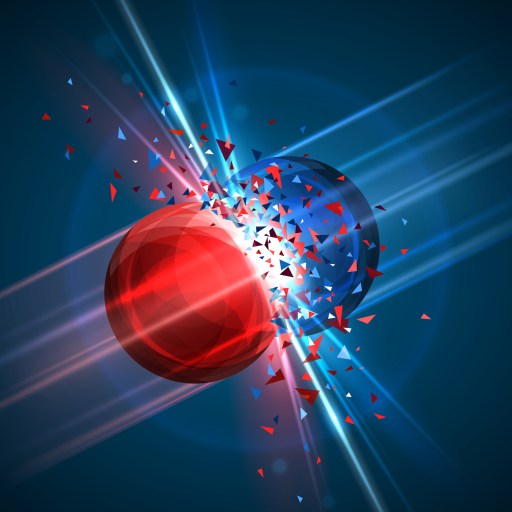
From forming bound states to normal scattering, many possibilities abound for matter-antimatter interactions. So why do they annihilate?
SARS-CoV-2 first emerged in humans in 2019. Despite much noise generated by lab leak proponents, the evidence indicates a natural origin.
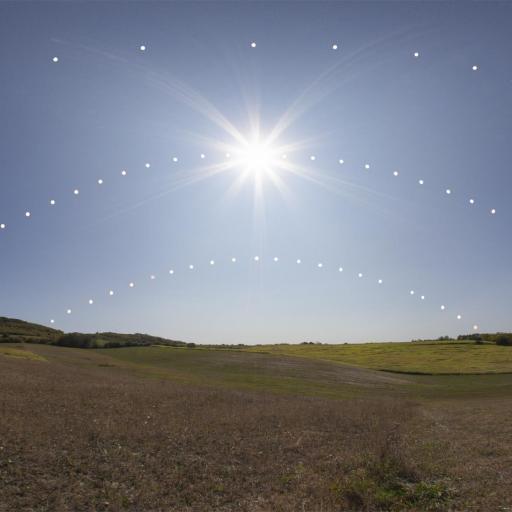
On June 20, 2024, the summer solstice occurs at its earliest moment since 1796: when George Washington was President of the USA. Here's why.
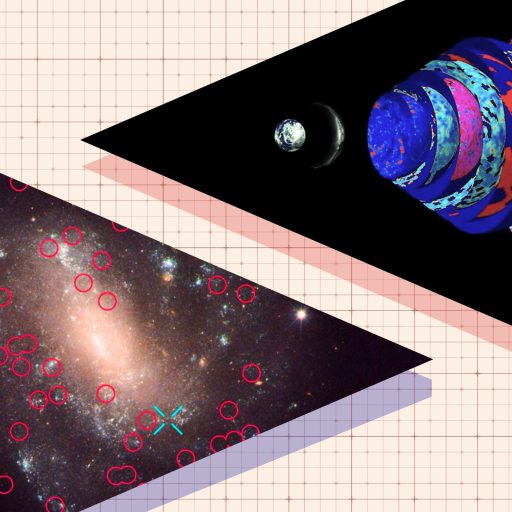
There are two different ways to measure the expansion rate of the Universe, and they don't agree. And no, new measurements don't help.
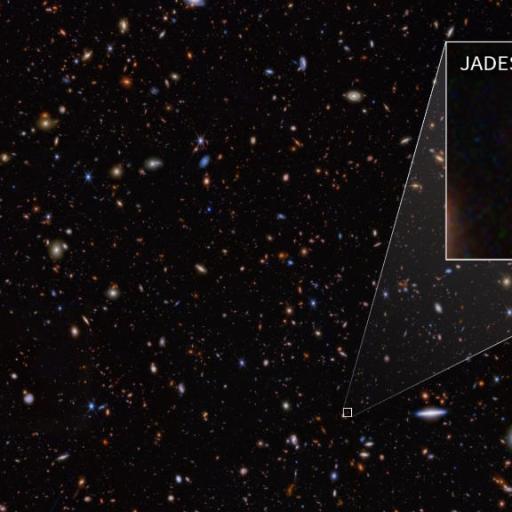
A new all-time record! JWST's discovery of JADES-GS-z14-0 pushes the earliest galaxy ever seen to just 290 million years after the Big Bang.
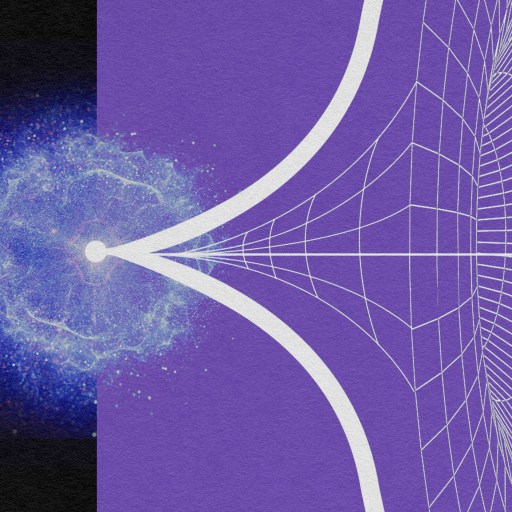
If you bring too much mass or energy together in one location, you'll inevitably create a black hole. So why didn't the Big Bang become one?
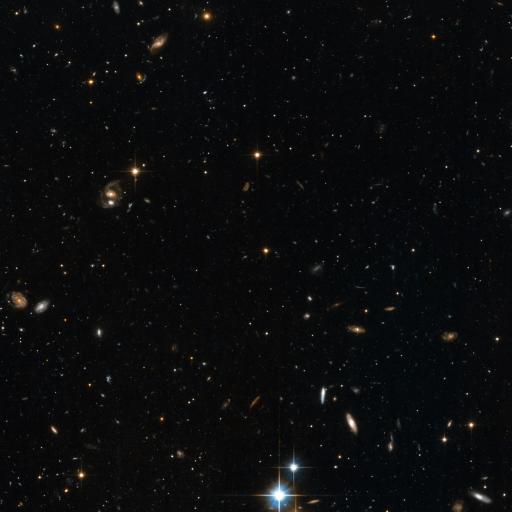
The Universe is precisely dated at 13.8 billion years old, but astronomers claim the Methuselah star is 14.5 billion years old. What gives?