






Search
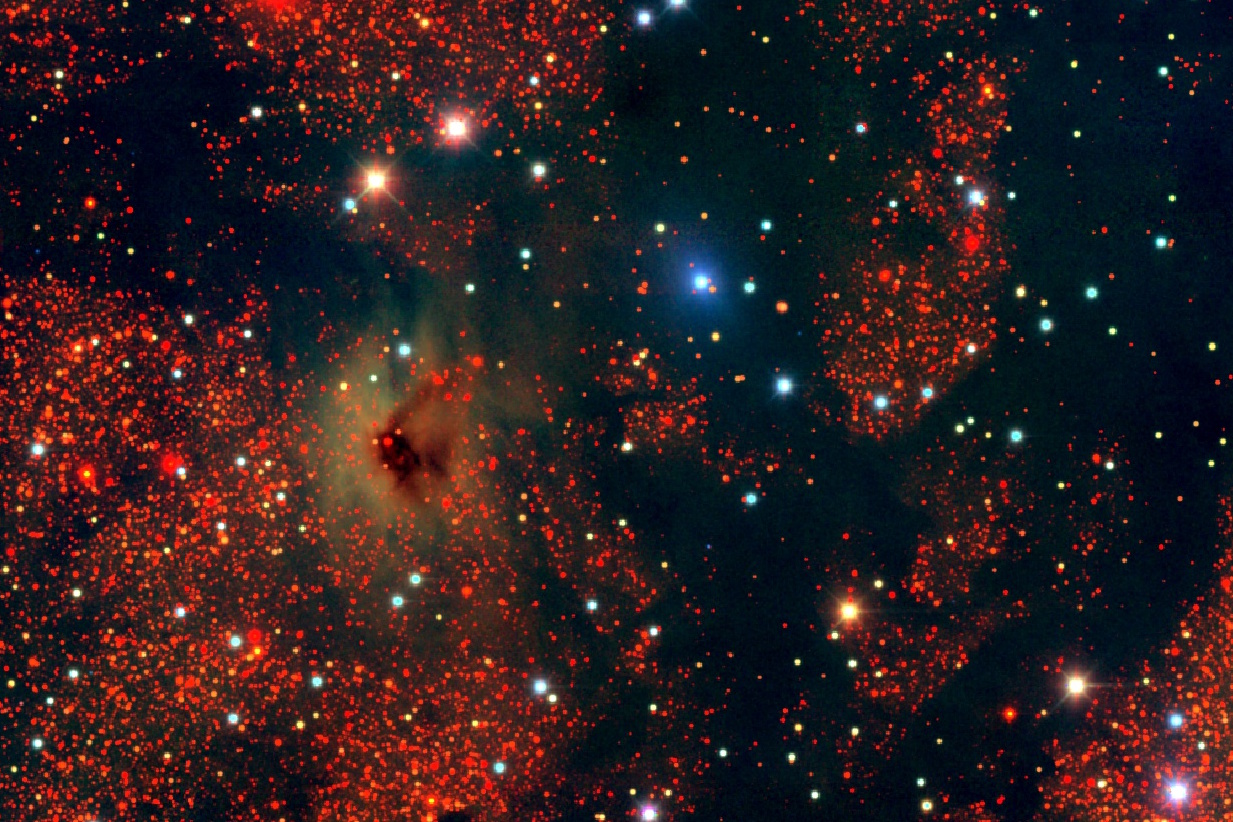

Our mission is to answer the biggest questions of all, scientifically.
What is the Universe made of? How did it become the way it is today? Where did everything come from? What is the ultimate fate of the cosmos?
For most of human history, these questions had no clear answers. Today, they do. Starts With a Bang, written by Dr. Ethan Siegel, explores what we know about the universe and how we came to know it, bringing the latest discoveries in cosmology and astrophysics directly to you.
Read Less
with
Full Profile
Ethan Siegel is an award-winning PhD astrophysicist and the author of four books, including The Grand Cosmic Story, published by National Geographic.

Groupthink in science isn’t a problem; it’s a myth
Scientists are notoriously resistant to new ideas. Are they falling prey to groupthink? Or are our current theories just that successful?
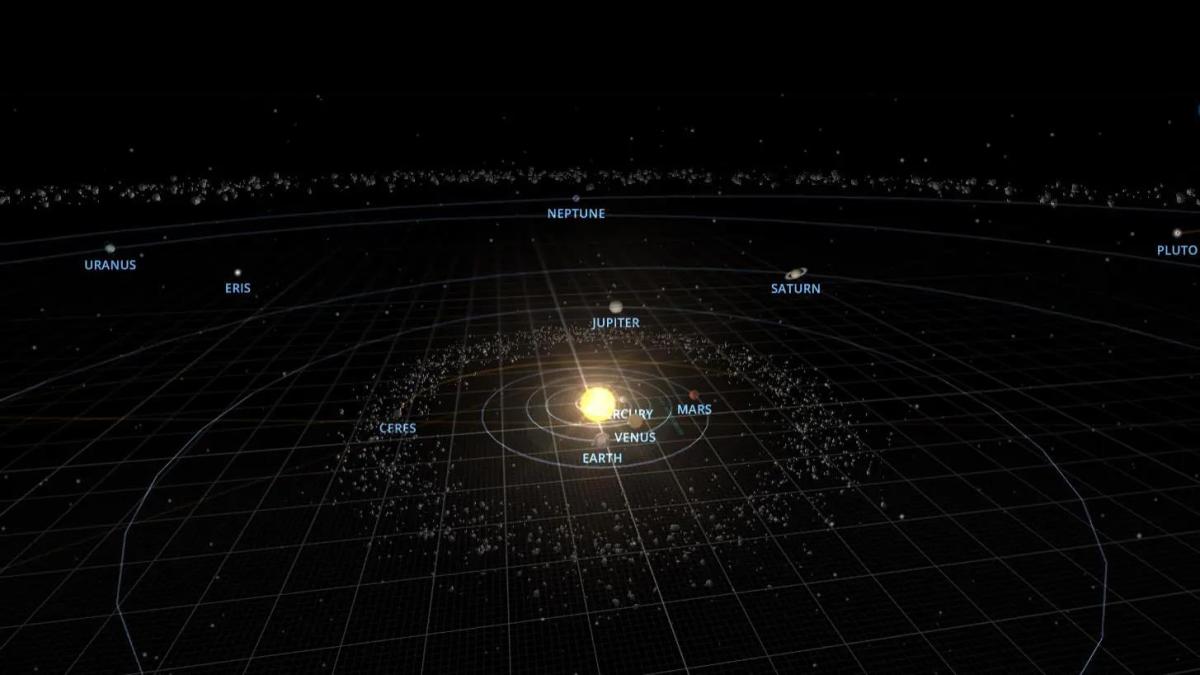

It's 2024, and we still only know of the fundamental particles of the Standard Model: nothing more. But these 8 unanswered questions remain.

Predicted way back in the 1960s, the discovery of the Higgs boson in 2012 completed the Standard Model. Here's why it remains fascinating.
The expanding Universe, in many ways, is the ultimate out-of-equilibrium system. After enough time passes, will we eventually get there?
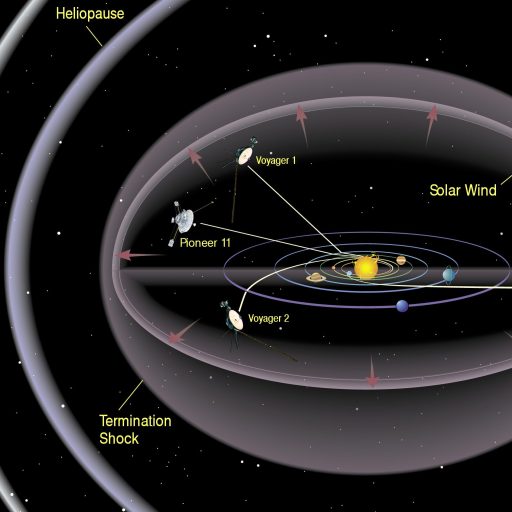
Some think the reason fundamental scientific revolutions are so rare is because of groupthink. It's not; it's hard to mess with success.
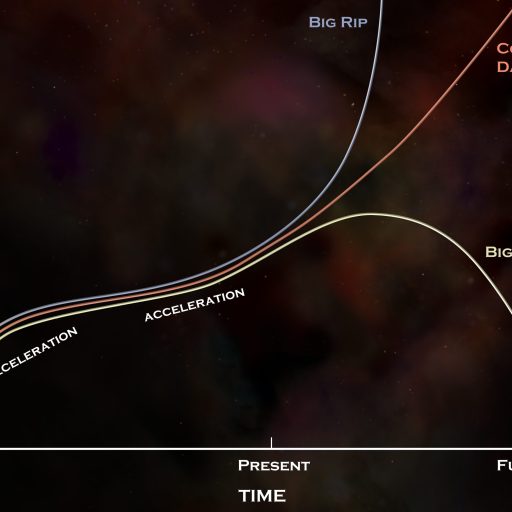
For nearly 25 years, we thought we knew how the Universe would end. Now, new measurements point to a profoundly different conclusion.

CERN's Large Hadron Collider is the most powerful particle accelerator ever. To go even further, we'll have to overcome something big.
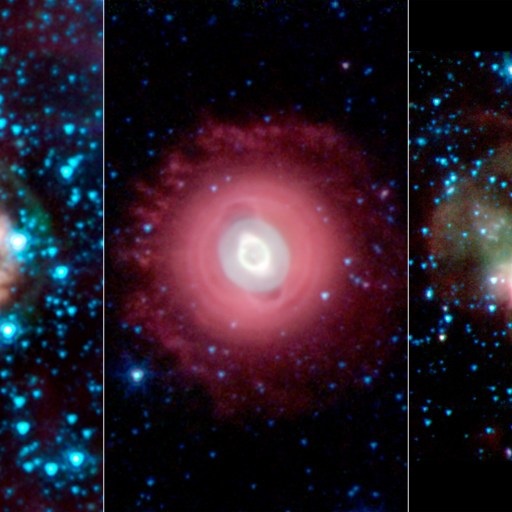
In ~7 billion years, our Sun will run out of fuel and die. So will every star, eventually. Here are the different fates they'll encounter.