



Search

Our mission is to answer the biggest questions of all, scientifically.
What is the Universe made of? How did it become the way it is today? Where did everything come from? What is the ultimate fate of the cosmos?
For most of human history, these questions had no clear answers. Today, they do. Starts With a Bang, written by Dr. Ethan Siegel, explores what we know about the universe and how we came to know it, bringing the latest discoveries in cosmology and astrophysics directly to you.
Read Less
with
Full Profile
Ethan Siegel is an award-winning PhD astrophysicist and the author of four books, including The Grand Cosmic Story, published by National Geographic.

Groupthink in science isn’t a problem; it’s a myth
Scientists are notoriously resistant to new ideas. Are they falling prey to groupthink? Or are our current theories just that successful?
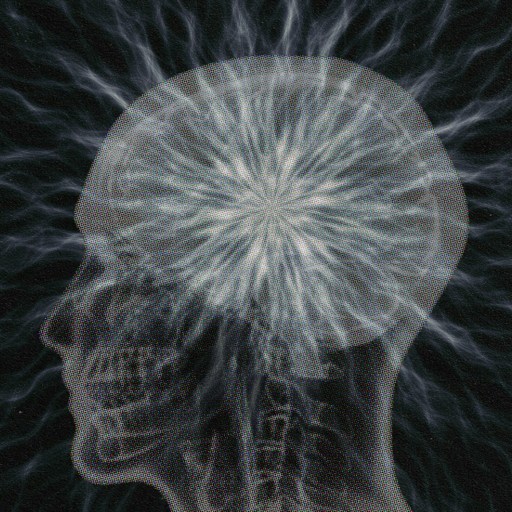
At a fundamental level, only a few particles and forces govern all of reality. How do their combinations create human consciousness?

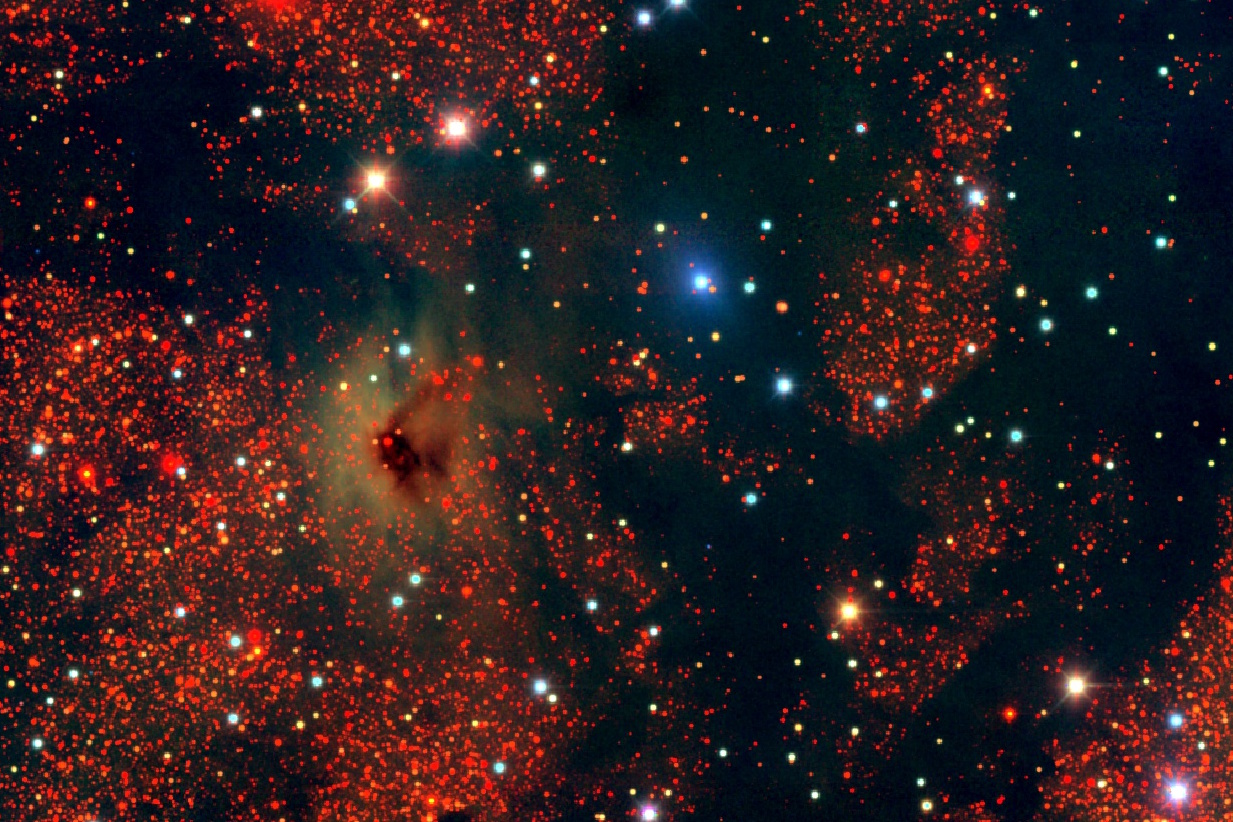
Dark energy is one of the biggest mysteries in all the Universe. Is there any way to avoid "having to live with it?"

In the 20th century, many options abounded as to our cosmic origins. Today, only the Big Bang survives, thanks to this critical evidence.

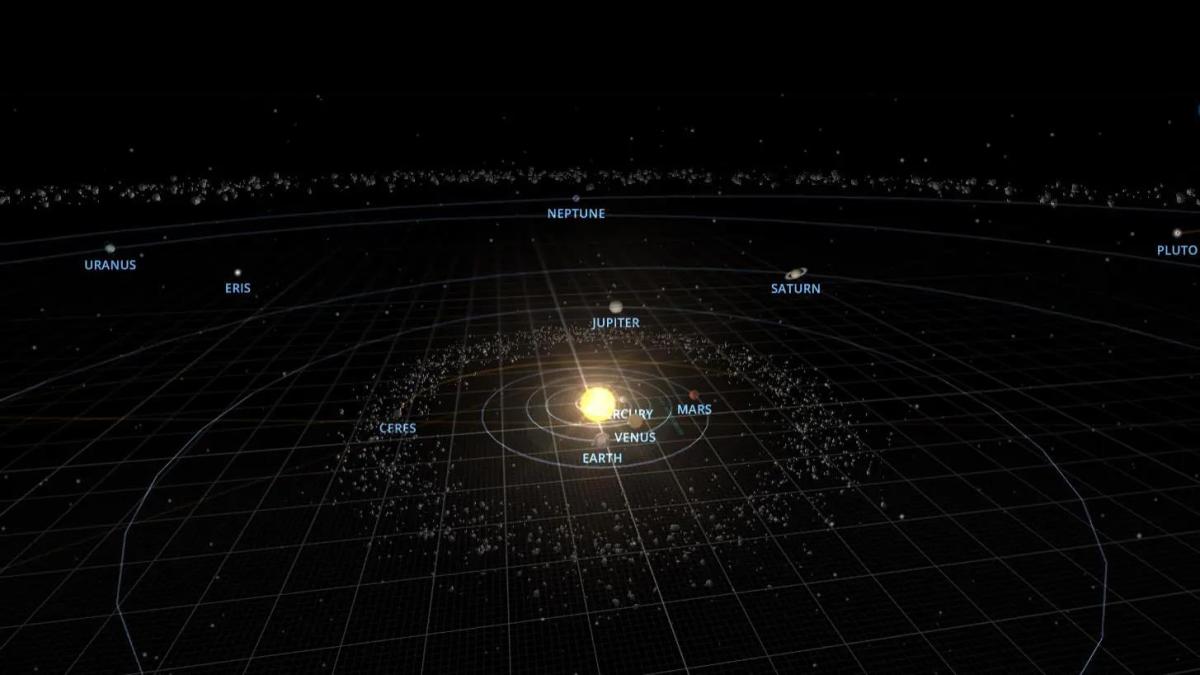
For some reason, when we talk about the age of stars, galaxies, and the Universe, we use "years" to measure time. Can we do better?
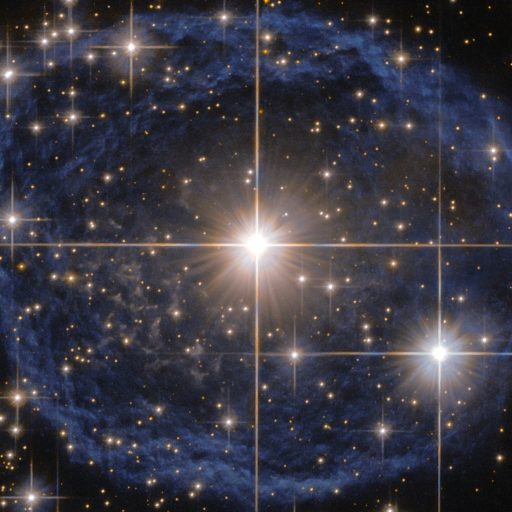
The most common element in the Universe, vital for forming new stars, is hydrogen. But there's a finite amount of it; what if we run out?

Life arose on Earth very early on. After a few billion years, here we are: intelligent and technologically advanced. Where's everyone else?
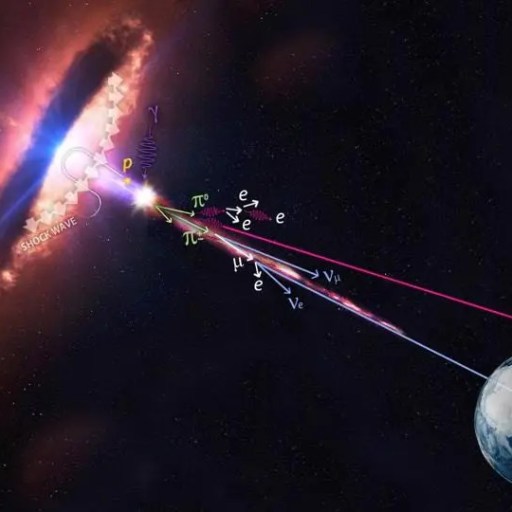
Our Universe requires dark matter in order to make sense of things, astrophysically. Could massive photons do the trick?