















Search
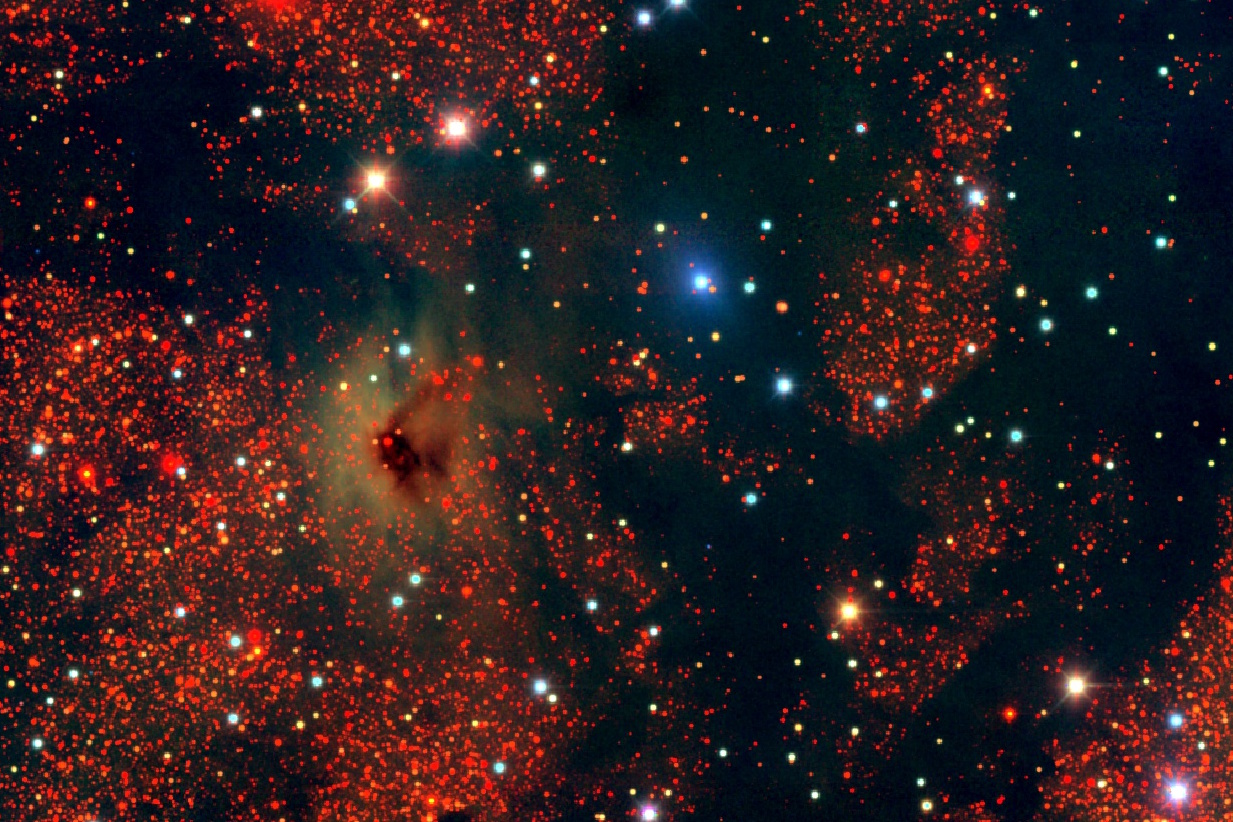

Our mission is to answer the biggest questions of all, scientifically.
What is the Universe made of? How did it become the way it is today? Where did everything come from? What is the ultimate fate of the cosmos?
For most of human history, these questions had no clear answers. Today, they do. Starts With a Bang, written by Dr. Ethan Siegel, explores what we know about the universe and how we came to know it, bringing the latest discoveries in cosmology and astrophysics directly to you.
Read Less
with
Ethan Siegel
Ethan Siegel is an award-winning PhD astrophysicist and the author of four books, including The Grand Cosmic Story, published by National Geographic.
Full Profile
Groupthink in science isn’t a problem; it’s a myth
Scientists are notoriously resistant to new ideas. Are they falling prey to groupthink? Or are our current theories just that successful?
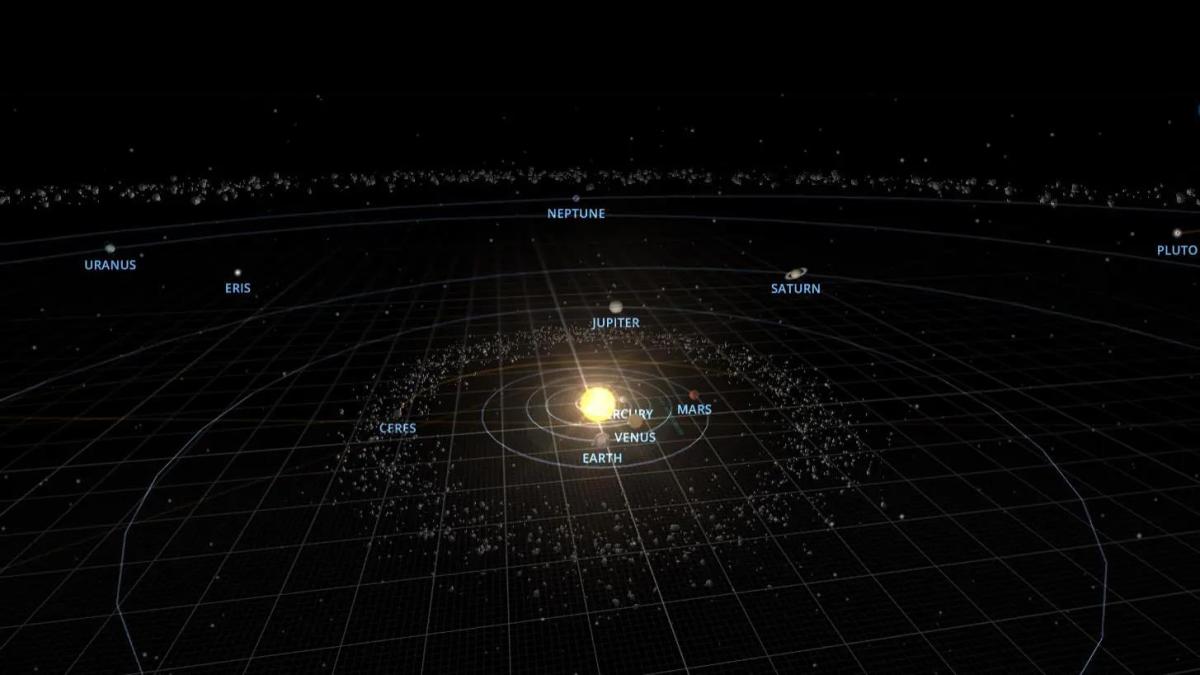
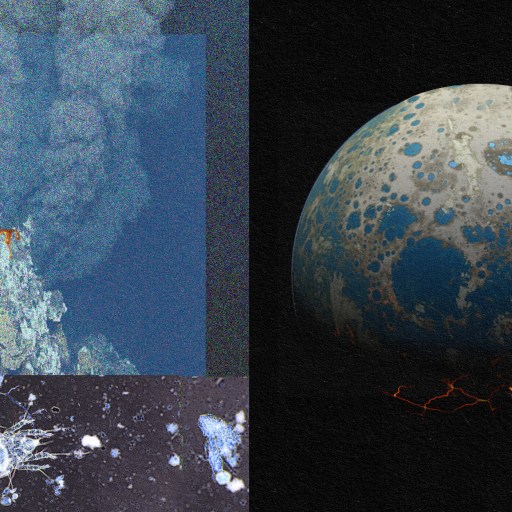
For billions of years on Earth, life was limited to simple unicellular, non-differentiated organisms. In a mere flash, that changed forever.
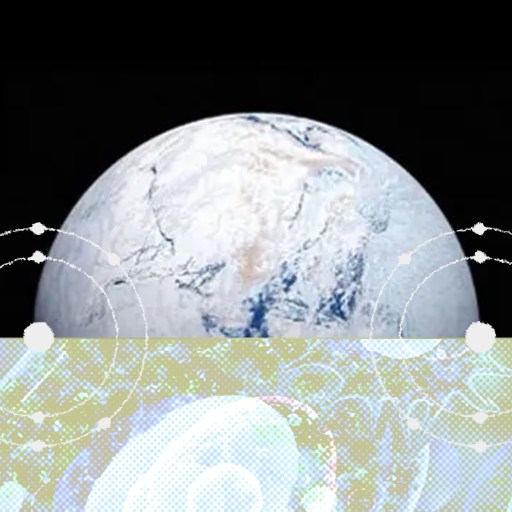
Known as the Great Oxygenation Event, Earth froze over as oxygen accumulated in our atmosphere, nearly driving all life extinct.
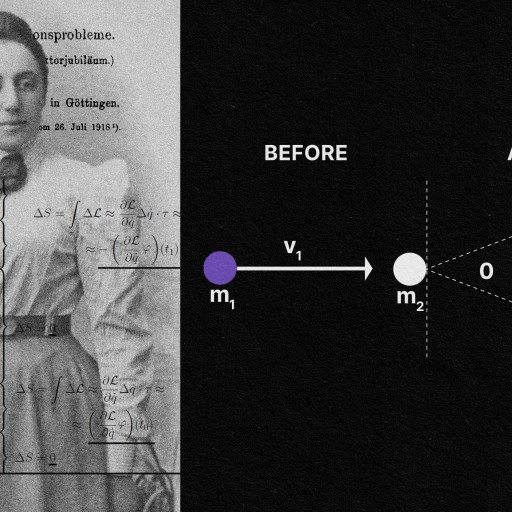
First derived by Emmy Noether, for every symmetry a theory possesses, there's an associated conserved quantity. Here's the profound link.
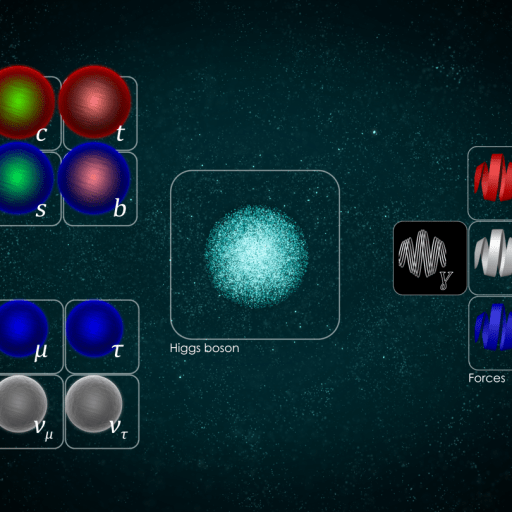
A great many cosmic puzzles still remain unsolved. By embracing a broad and varied approach, particle physics heads toward a bright future.
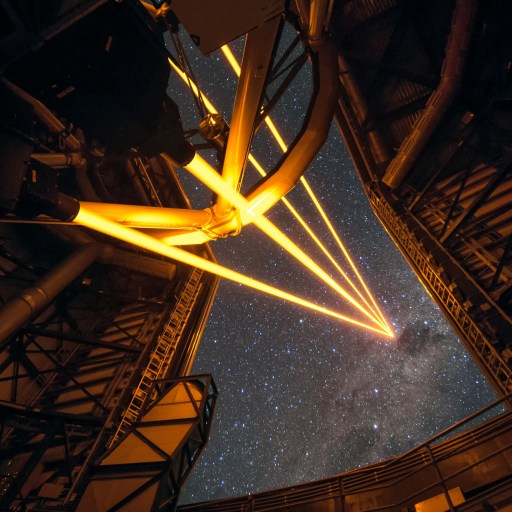
Lasers, mirrors, and computational advances can all work together to push ground-based astronomy past the limits of our atmosphere.
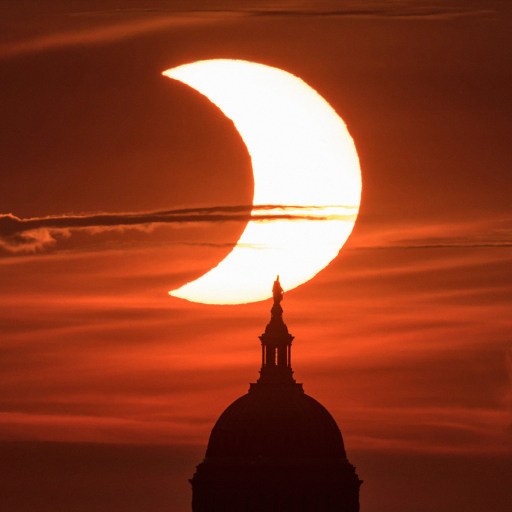
Even if you aren't in the path of totality, you can still use the solar eclipse to measure how long it takes the Moon to orbit Earth.
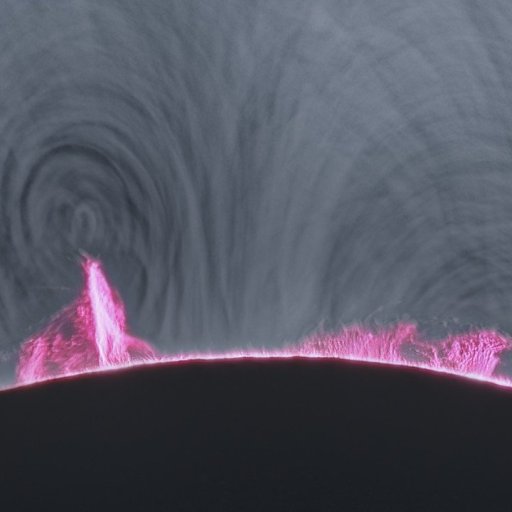
There are only a precious few minutes of totality during even the best solar eclipses. Don't waste yours making these avoidable mistakes.