




Search
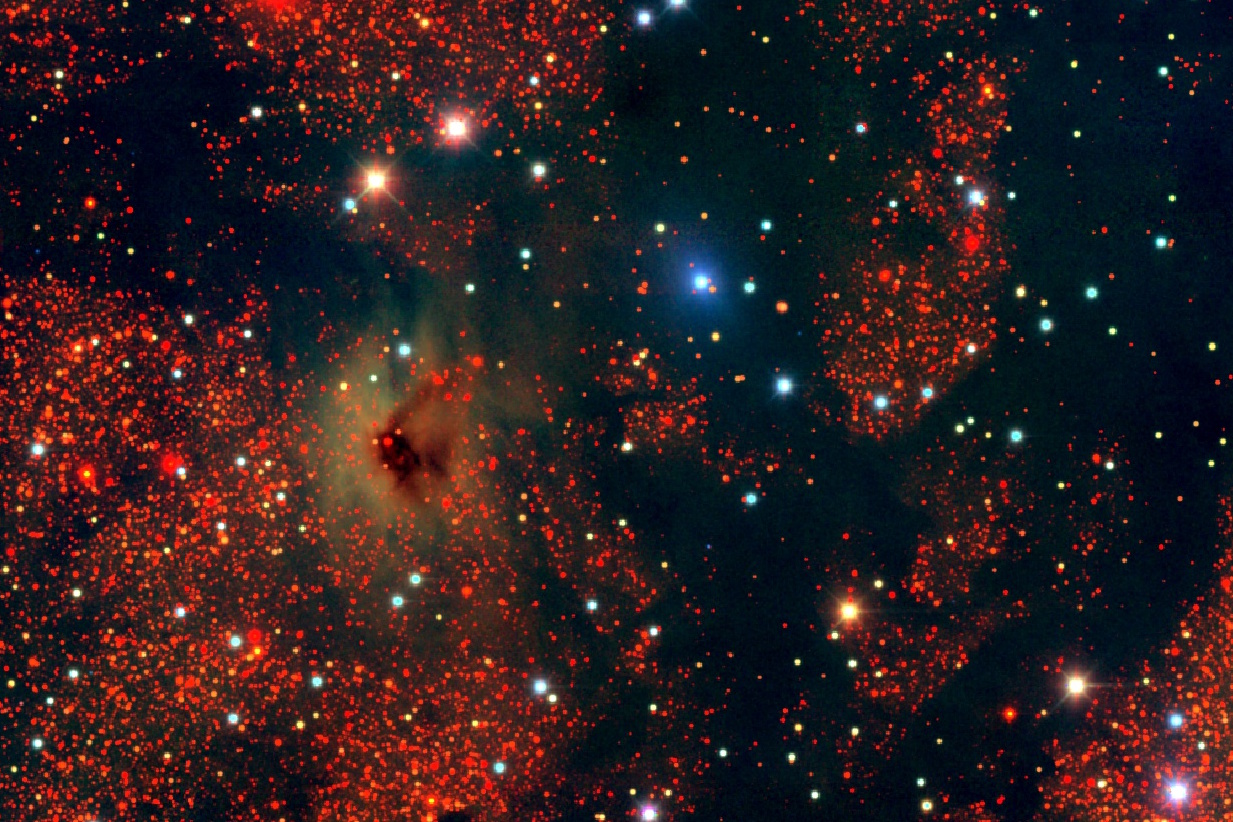

Our mission is to answer the biggest questions of all, scientifically.
What is the Universe made of? How did it become the way it is today? Where did everything come from? What is the ultimate fate of the cosmos?
For most of human history, these questions had no clear answers. Today, they do. Starts With a Bang, written by Dr. Ethan Siegel, explores what we know about the universe and how we came to know it, bringing the latest discoveries in cosmology and astrophysics directly to you.
Read Less
with
Ethan Siegel
Ethan Siegel is an award-winning PhD astrophysicist and the author of four books, including The Grand Cosmic Story, published by National Geographic.
Full Profile
Groupthink in science isn’t a problem; it’s a myth
Scientists are notoriously resistant to new ideas. Are they falling prey to groupthink? Or are our current theories just that successful?
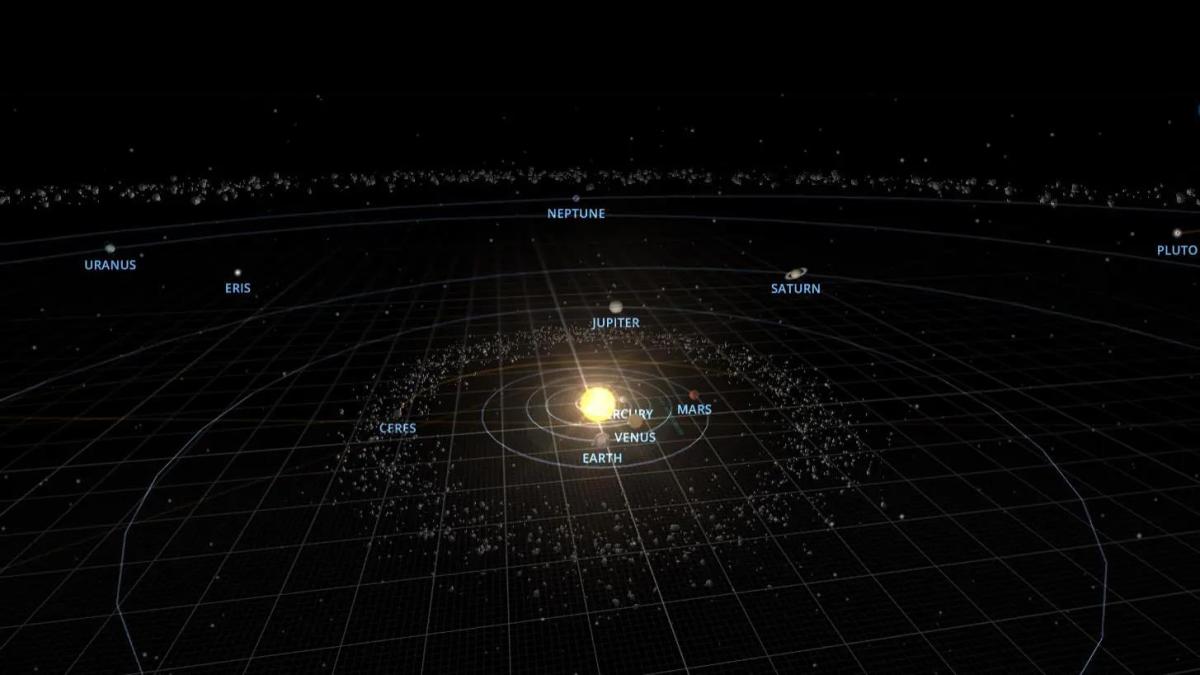
There are so many problems, all across planet Earth, that harm and threaten humanity. Why invest in researching the Universe?
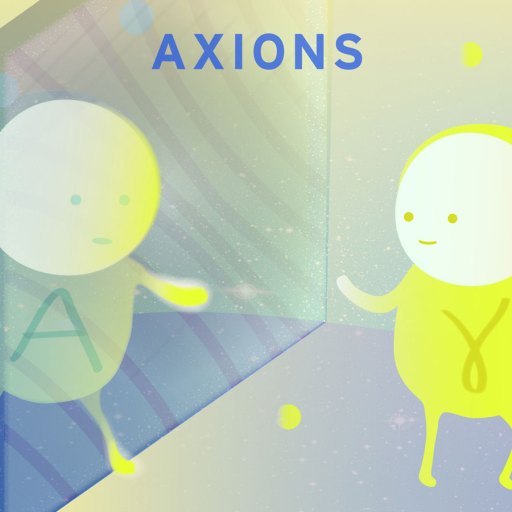
The majority of the matter in our Universe isn't made of any of the particles in the Standard Model. Could the axion save the day?

The Universe is 13.8 billion years old, going back to the hot Big Bang. But was that truly the beginning, and is that truly its age?
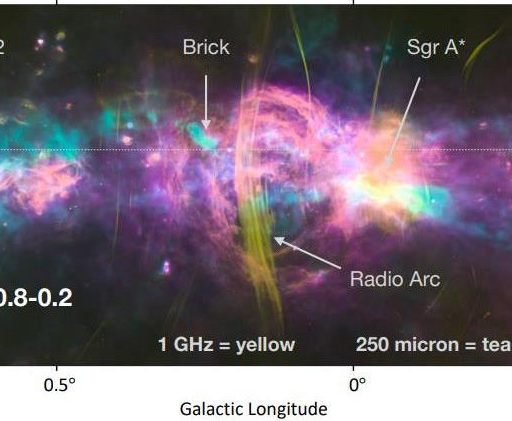
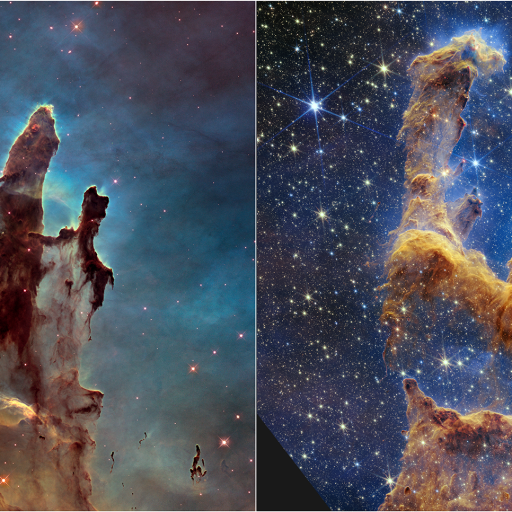
The center of the galaxy doesn't just host stars and a black hole, but an enormous set of rich gassy and dusty features. Find out more!
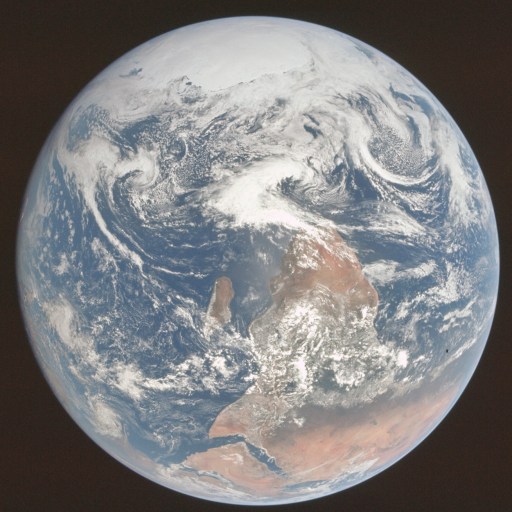
Although human beings arrived on Earth just ~300,000 years ago, we've transformed the entire planet completely. Here's how we did it.
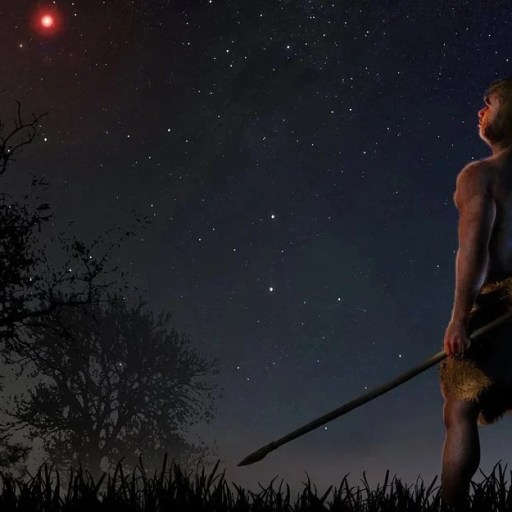
Despite billions of years of life on Earth, humans first arose only ~300,000 years ago. It took all that time to make our arrival possible.
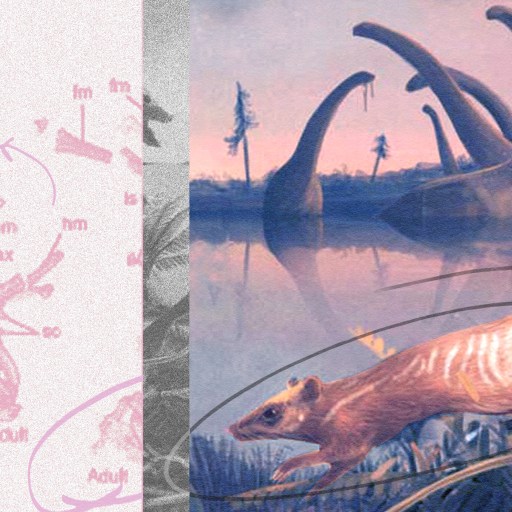
Although mammals may be the dominant form of life today, we're relative newcomers on planet Earth. Here's our place in natural history.