




















Search
Altered States

25mins
“We can use neuroscience and tools from psychology to learn how to take advantage of anxiety.” From Zen Buddhism to flow state, these 3 experts explain how to hack your brain.

A new framework suggests that bursts of neural chaos could be the fingerprints of a conscious mind at work.

53mins
Members
“Our conscious awareness is everything. And the fact that it's still so mysterious to scientists and to all of humanity, the fact that it's still one of the great unsolved mysteries makes it something that everyone can be excited about and that inspires awe in everyone.”

19mins
David S. Goyer explains how paying attention to mystery, and not brushing it aside, became the foundation for the way he builds stories, characters, and worlds.

2hr 9mins
“Psychedelics crosscut so many interesting domains. They've been used for time immemorial by indigenous cultures. In our own Western cultural history, they really exploded on the scene in the 1960s, and were associated with radical changes to society.”

21mins
“The idea is that we move from a place of wanting the world to conform to what we like [towards] not needing other people to be different from who they are.”

Getting drunk might be bad for you but good for us.

59mins
"One of the largest mitigating factors against getting traumatized is who is there for you at that particular time."

8mins
"If you're interested in human performance, what you want is something that's reliable and repeatable, and thus you want neurobiology because neurobiology gives you mechanism."

9mins
“You can be aware of sadness from a point of view that is not merely sad, and you can be aware of fear from a point of view that's not merely afraid.”

5-MeO-DMT may offer a practical way to access and study consciousness in its most basic form.

5mins
What happens when the boundaries of “you” disappear? James Fadiman, PhD, Jamie Wheal, and Matthew Johnson, PhD explore how supported experiences with psychoactive drugs can dissolve identity and reveal a deeper reality.
Unlikely Collaborators

17mins
"The sense that we are a solid entity, an unchanging entity that exists someplace in our body and takes ownership of our body, and even ownership of our brain rather than being identical to our brain, that is where the illusion lies."

In "Human History on Drugs," Sam Kelly explores what the research can tell us about one of history’s most brilliant — and troubled — artists.
6mins
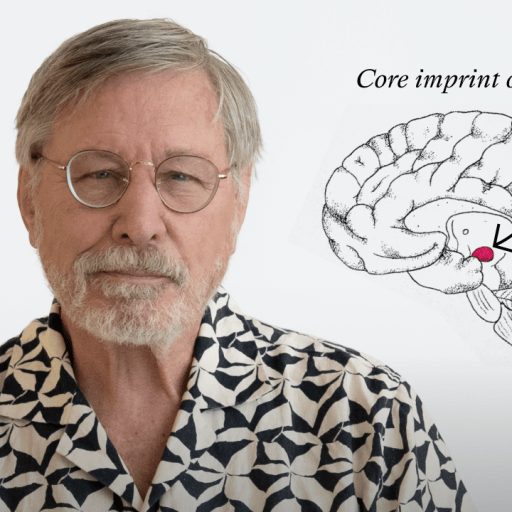
Psychiatrist Dr. Bessel van der Kolk discusses key methods for rewiring the brain, kickstarting the healing process, and opening your mind to new perspectives.
Unlikely Collaborators

A look inside Mindstate Design Labs' effort to design drugs that reliably produce specific states of mind.

What can drugs teach us about consciousness?

A powerful psychedelic long used in African rituals shows surprising promise for treating traumatic brain injury and PTSD.

Delirium is one of the most perplexing deathbed phenomena, exposing the gap between our cultural ideals of dying words and the reality of a disoriented mind.

"The amount of interest is enormous," says anesthesiologist Boris Heifets. "People are dropping in and coming out of the woodwork, trying to understand how to do this."

10mins
“Many people get stuck in feeling responsible for their psychological state, and there's a way in which simply being with whatever uncomfortable emotions rather than believing that you are controlling them can be extremely beneficial for psychological wellbeing.”

The controversial theory about magic mushrooms and human evolution gets a much-needed update.

"Upon emergence, these patients are sincerely unsure what was reality and what was a ‘dream.'"

Propofol, a drug commonly used for general anesthesia, derails the brain’s normal balance between stability and excitability.

A recent study suggests that exposure to visual stimuli can diminish the effects of psychedelic drugs.

The truth may be out there — but it’s not in these close encounters of the third kind.


Here's the thorny reality behind psychedelics' ability to unearth buried memories.
5mins
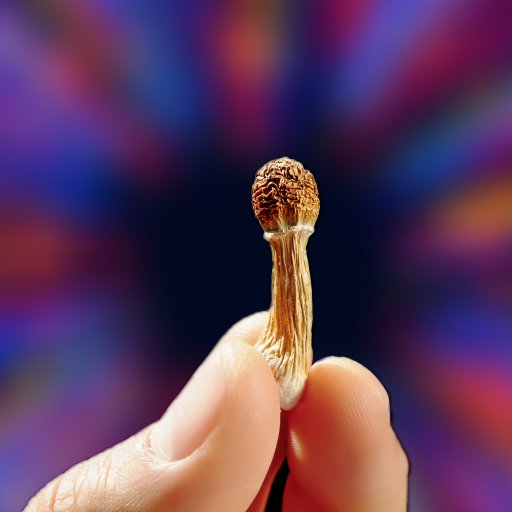
James Fadiman PhD, who has 60 years of experience in the field, believes they are.
Unlikely Collaborators

Benjamin Breen on his greatest revelations while writing about the birth of psychedelic science.