




















Search
Amygdala

Rituals serve psychological functions that go far beyond mere habit or tradition.

Life's "in-between" stages pack unique cognitive benefits — if you know how to tap into them.

1hr 24mins
“There's a very pervasive belief that human nature is fundamentally selfish, but I know for a fact that that can't be true in part because my life was saved by a stranger a long time ago when I was 19.”

17mins
“Anxiety is focused on things that are important to you in life. That is the key.”
7mins
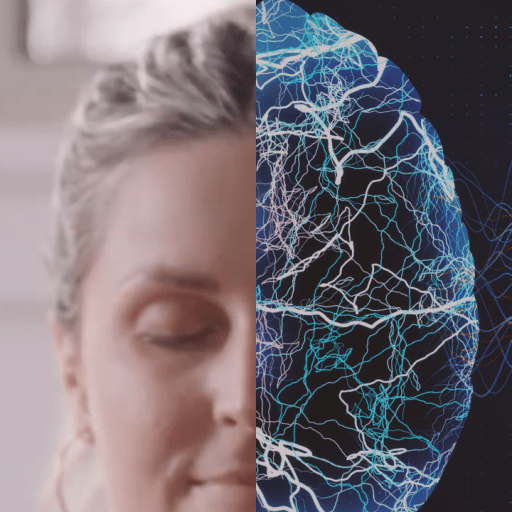
Three doctors break down brain function, somatic awareness, and how to recover from bad experiences.
Unlikely Collaborators


6mins
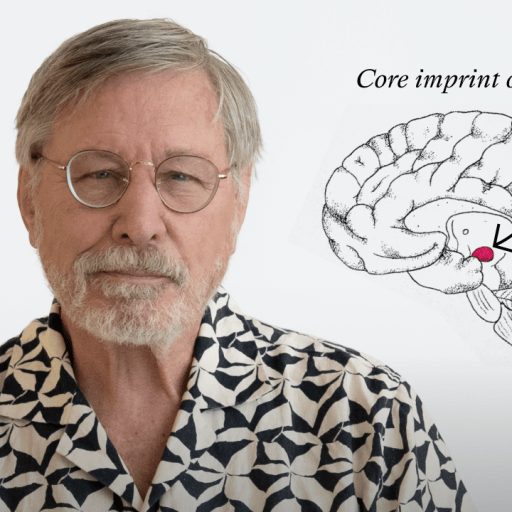
Psychiatrist Dr. Bessel van der Kolk discusses key methods for rewiring the brain, kickstarting the healing process, and opening your mind to new perspectives.
Unlikely Collaborators

Curiosity is often considered a personality quirk. Neuroscience paints a different picture.

9mins
Humans are among the most altruistic species that we’ve studied, due to our alloparental instincts – a trait we evolved into that allows us to care for offspring who are […]
9mins
Dr. Aditi Nerurkar on toxic resilience and the importance of gratitude and breathing.
Unlikely Collaborators

Recent research sheds light on how the brain overgeneralizes fear, causing people to be afraid of harmless situations.

You really can get by with a little help from your friends — if you also look beyond your personal to-do list.

For better teamwork, take a lesson from research into soccer fans who put aside their tribalism.

The amygdala can hijack your brain's response if it recognizes past trauma in a current situation. To regain control, simply press pause.

Medical psychologist Catherine Monk explains how prenatal mental care benefits both mothers and babies.

7mins
Neuroscientist Wendy Suzuki explains why zero anxiety isn’t the goal.

Boys are four times as likely as girls to develop autism. Girls are nearly twice as likely to experience depression. The immune system may be a player in these and other brain-health disparities.

"Human connection is as threatened by unhealthy peace as it is by unhealthy conflict." —Priya Parker

Emotion dysregulation has been linked to unhealthy risk-taking, relationship challenges, and negative physical health outcomes.

The discovery has enormous implications for the development of novel anti-anxiety medications.

6mins
From DMT elves, to God, to the figures in our dreams — why are humans so obsessed with the supernatural?


Risk-taking isn't inherently bad: It tends to build self-confidence when things work out, and resilience when they don’t.
Million Stories

Your brain may notice fearful faces, even if you don't consciously realize it.

Some experiences continue to pay dividends time and time again.
Million Stories

7mins
Humans are musical animals four million years in the making, explained by music expert Michael Spitzer.

Your breathing rhythm influences a wide range of behaviors, cognition, and emotion.

Over time, different structures in the brain come to play unique roles in the storage and retrieval of long-term memories.

4mins
Futurist Ari Wallach shares how to become future-conscious.