




















Search
Brain Anatomy

Researchers built a model that behaves like a brain. Without being trained on neural data, the model produced a peculiar signal — one that was later discovered in actual brain activity.

Members
This class explores the link between neurobiology and productivity, teaching participants to optimize willpower and focus through strategies like meta-awareness, the Pomodoro Technique, and the importance of rest, while experts share insights on achieving peak performance amidst modern distractions.

Neuroscientist Rachel Barr shares her favorite books on the brain and how they shaped her approach to the field.

9mins
“The sexual excitation system is the accelerator or the gas pedal, and it notices all the sex-related information in the environment.”

Scientists have created a magnificent portrait of every connection among neurons in a fruit fly’s brain.
9mins
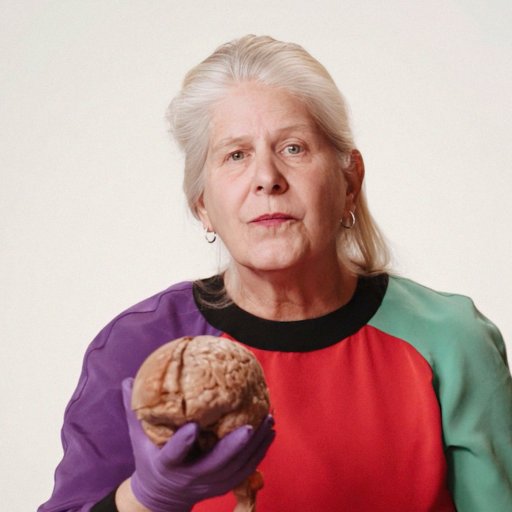
At age 37, neuroanatomist Dr. Jill Bolte Taylor suffered a stroke that would take her eight years to fully recover from. This is how it changed her understanding of the brain.
Unlikely Collaborators

A new framework describes how thought arises from the coordination of neural activity driven by oscillating electric fields — a.k.a. brain “waves” or “rhythms.”

Your life’s memories could, in principle, be stored in the universe’s structure.

If you want to achieve new goals, harness your brain's ability to change chemically, structurally, and functionally.

3mins
Want to be more intelligent? Here’s why you should hit the gym, according to neuroscientist Wendy Suzuki.

A high-fat diet might trigger inflammation of the hypothalamus.

The structure is fully developed in humans, partially developed in chimps, and completely absent in Old World monkeys.

Modern memory athletes use this ancient technique to memorize thousands of digits of pi.

Synchronized activity between the hippocampus, prefrontal cortex, and thalamus plays a role in memory consolidation.

After Albert Einstein’s death in 1955, a pathologist—searching for the secret of genius—removed, dissected, and ultimately stole the mathematician’s brain.

Brain activity may be more like "ripples in a pond" rather than signals sent on a telecommunications network.


A recent study highlights the astounding adaptability of the human brain.

Forget these scientific myths to better understand your brain and yourself.

You know that ghostly feeling that someone is nearby even though nobody is? It could be a trick of neural timing.

Ev Fedorenko’s Interesting Brains Project highlights the human brain’s remarkable capacity to adapt, reorganize in the face of early damage.

5mins
Neuroscientist Robert Sapolsky on the science of temptation, and the limitations of your brain’s frontal cortex.


The "subarachnoidal lymphatic-like membrane" helps shield and protect the brain.

Fathers’ brains adjust their structure and function to parenthood.

Their neurons are very different from "normal" people.

An increase in genetic regulatory elements explains how modern humans evolved bigger brains than other hominins.

These salamanders are helping unlock the mysteries of brain evolution and regeneration.

When we feel sick, it's not just the pathogen to blame. Our brain cranks up the temperature, and the neurons responsible finally have been found.
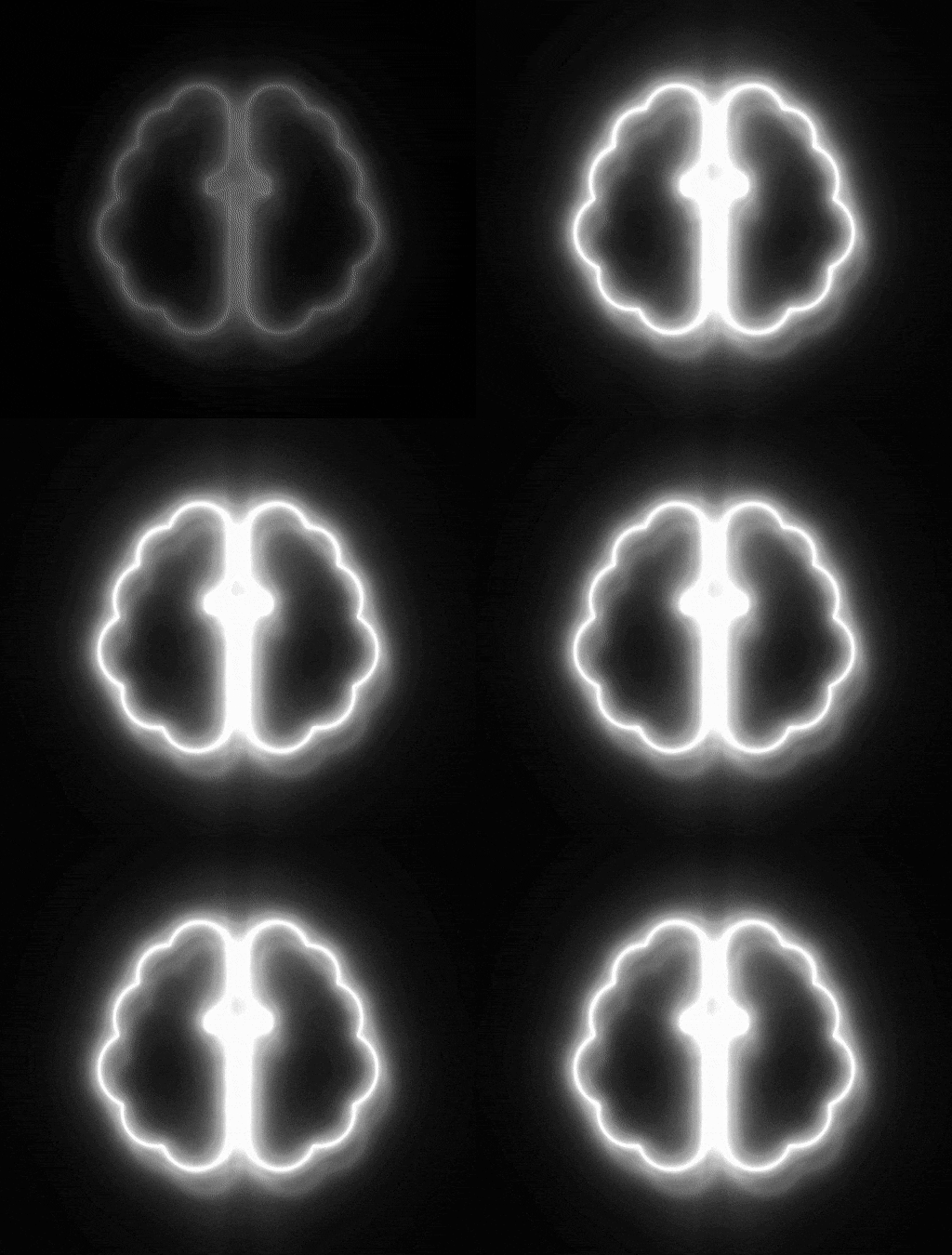
But don't buy your own brain zapping machine, yet.