




















Search
Cell Biology

By treating the human body as an information system, scientists are using AI to simulate cells, visualize hidden biology, and detect disease at its earliest — and most preventable — stages.
Biohub

21mins
"By keeping people biologically younger, we can enjoy a longer health span, a longer period of healthy life where we're active, where we're happy, where we can engage in our hobbies, and play with our grandkids and great grandkids."

54mins
Members
"This will help people take meaningful steps to slow the rate of aging and increase what we call their health span or their kind of time of life expectancy free from disease."

13mins
“Over the last 10 or 15 years, scientists have really started to understand the fundamental underlying biology of the aging process. And they broke this down into 12 hallmarks of aging.”
3mins
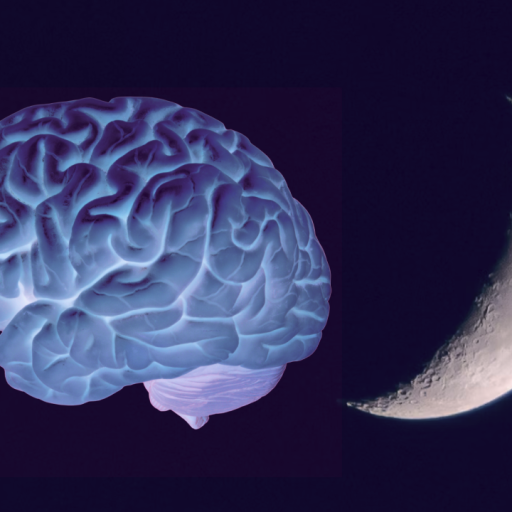
Sleeping better helps you think better, which helps you live better. Three experts explain why quality sleep is imperative to brain function, problem solving, communication, and more.
Unlikely Collaborators

43mins
"If we're related to every living thing on the planet, do we not have a special responsibility for every living thing on this planet? They are really all our relatives."

Some go gently into the night. Others die less prettily in freak accidents or deadly invasions, or after a showy display.

Cancers can’t develop without genetic mutations — or can they?

4mins
What if AI could tell us we have cancer before we show a single symptom? Steve Quake, head of science at the Chan Zuckerberg Initiative, explains how AI can revolutionize science.
Chan Zuckerberg Initiative

The first-of-its-kind map, which goes all the way down to the level of a single cell, could help prevent common birth defects.


Scientists agree that eons ago, a bacterium took up residence inside another cell and became its powerhouse, the mitochondrion. But there are competing theories about the birth of other organelles such as the nucleus and endoplasmic reticulum.


“I think it has a real chance to reverse motor symptoms, essentially replacing a missing part.”

In polarized times, our shared cellular origin can unite us in solidarity and awe — from the embryonic scale to the grandest cosmic perspective.

8mins
We know that humans are an intelligent species. But this biologist breaks down the intelligence of each of our cells — and it will blow your mind.

As cells divide, they must copy all of their chromosomes once and only once, or chaos would ensue. How do they do it? Key controls happen well before replication even starts.

7mins
Nobel Prize-winning scientist Paul Nurse defines the 5 core principles of life.

5mins
This network scientist is creating a map of the human genome, and it could revolutionize the future of healthcare.

The body uses its own electricity to repair wounds. Faster healing may be possible with additional electrical stimulation.

Baby mice can regenerate damaged hair cells — and now that we know how they do it, maybe we can, too.

Cryo-electron tomography, or cryo-ET, is the future of cell research.

Tumor cells traverse many different types of fluids as they travel through the body.

More work is needed before declaring the technique a fountain of youth.

What if you could just grow your own blood?

Mycobacterium leprae, the bacteria that cause leprosy, have the surprising ability to grow and reverse aging in armadillo livers.

Most patients with cancer die from metastasis. Stopping it would be a major advance in cancer therapy.

Despite the fact that both species shared a similarly large neocortex, scientists still have many questions about how closely the function of their brains resembled our own.

Intracellular bacteria promote cancer metastasis by enhancing the tumor cells' resistance to mechanical stress in the bloodstream

The Human Genome Project put together 92% of our DNA blueprint. Here's what it took to complete the rest.