




















Search
Cognitive Neuroscience

Changing the narrative on false memories might be surprisingly simple.

Why “audio gaps" in video meetings wear us out — and why we need the meaningful relationships forged in communal workspaces.

The findings show that even small areas in the brain may have the potential to represent complex meanings.

In the brain's language-processing centers, some cells respond to one word, while others respond to strings of words together.

Manipulating a signaling pathway in mice reversed their anxiety — and offers hope for a new class of anti-anxiety medications for humans.

3mins
“Say what you want to say, and not what you feel.” Harvard happiness professor explains ‘metacognition’ techniques so you can grow your emotional intelligence:

Propofol, a drug commonly used for general anesthesia, derails the brain’s normal balance between stability and excitability.

The evidence is far less clear than popular media might lead you to believe.

Our “embodied minds” suggest an eventual escape from mortality via computer is unlikely.

Neuroscientist Christof Koch on human minds, AI, and bacteria.
9mins
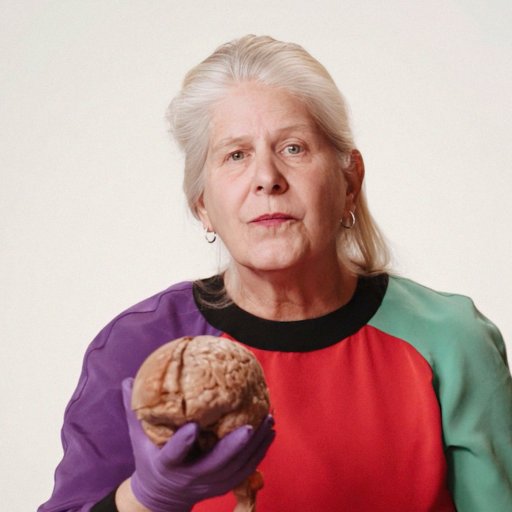
At age 37, neuroanatomist Dr. Jill Bolte Taylor suffered a stroke that would take her eight years to fully recover from. This is how it changed her understanding of the brain.
Unlikely Collaborators

An argument for emphasis on subjective experience.

A new framework describes how thought arises from the coordination of neural activity driven by oscillating electric fields — a.k.a. brain “waves” or “rhythms.”

“If we could target those circuits very precisely, then there’s great potential to block the inflammation response for many diseases."

Research suggests that experience may matter more than innate ability when it comes to a sense of direction.

Psychologist Mary C. Murphy explains why growth-mindset teams outperform those centered around a lone genius.

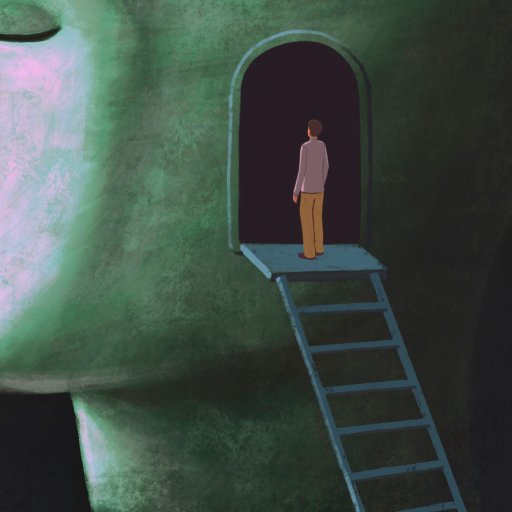
Even with the best technology imaginable, you'd probably never be able to exist as a consciously aware brain in a vat.

Claims circulating on the Internet — some from dentists' websites — suggest toothpaste isn't necessary for dental health. Is that true?

11mins
“Forget about essences.” Philosopher Daniel Dennett on how modern-day philosophers should be more collaborative with scientists if they want to make revolutionary developments in their fields.
6mins
Psychologist Daniel Goleman on how to train your brain with just ten minutes a day.

Attention deficit hyperactivity disorder has been a controversial diagnosis since it was first described, back in the 1940s.

Dennis Klatt developed trailblazing text-to-speech systems before losing his own voice to cancer.


The secret sauce of humor is incongruity. AI knows this as well as we do.

When we view hard work as a sign of low aptitude, it harms our ability to learn and grow.

Being bilingual benefits children as they learn to speak — and adults as they age.

Here's the case for why science can't keep ignoring human experience.

To make a ton of information stick in your mind, you have to make it chunky.

Research suggests you can influence your sense of time by changing the “embodiedness” of your daily habits.

3mins
What is perception, really? Philosopher Alva Noë on why perception is a puzzling phenomenon: