




















Search
Earth Science

The ozone hole was going to destroy life as we know it, but an unprecedented global effort fixed the problem.

In a 13.8 billion year old Universe, a few seconds hardly seems like it matters. But these minuscule changes sure do add up over time.

While ice itself is slick, slippery, and difficult to navigate across under most circumstances, skaters easily glide across the ice.

Well before plants and animals, there were fungi.

About six million years ago, the Mediterranean was sealed off from the Atlantic, and over centuries it ran dry. One megaflood reversed that.

NASA's 1958 charter's top priority was, "the expansion of human knowledge of phenomena in the atmosphere and space." Is this how it ends?

19mins
“So many things could have happened in a different way that we wouldn't be here at all, both individually, for sure, and certainly as a species.”

“Climate analog mapping” finds the place that is currently as warm as your city might be in 60 years.

Even just by examining the Moon with the unaided eye, we can learn an incredible amount about the Moon, Earth, and more.
6mins
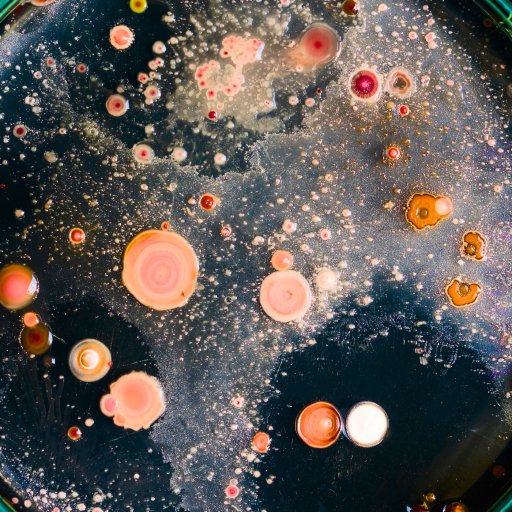
These microbes endured the unlivable. The NASA astrobiologist who studies them reveals what that means for us today

The hunt for extraterrestrial life begins with planets like Earth. But our inhabited Earth once looked very different than Earth does today.
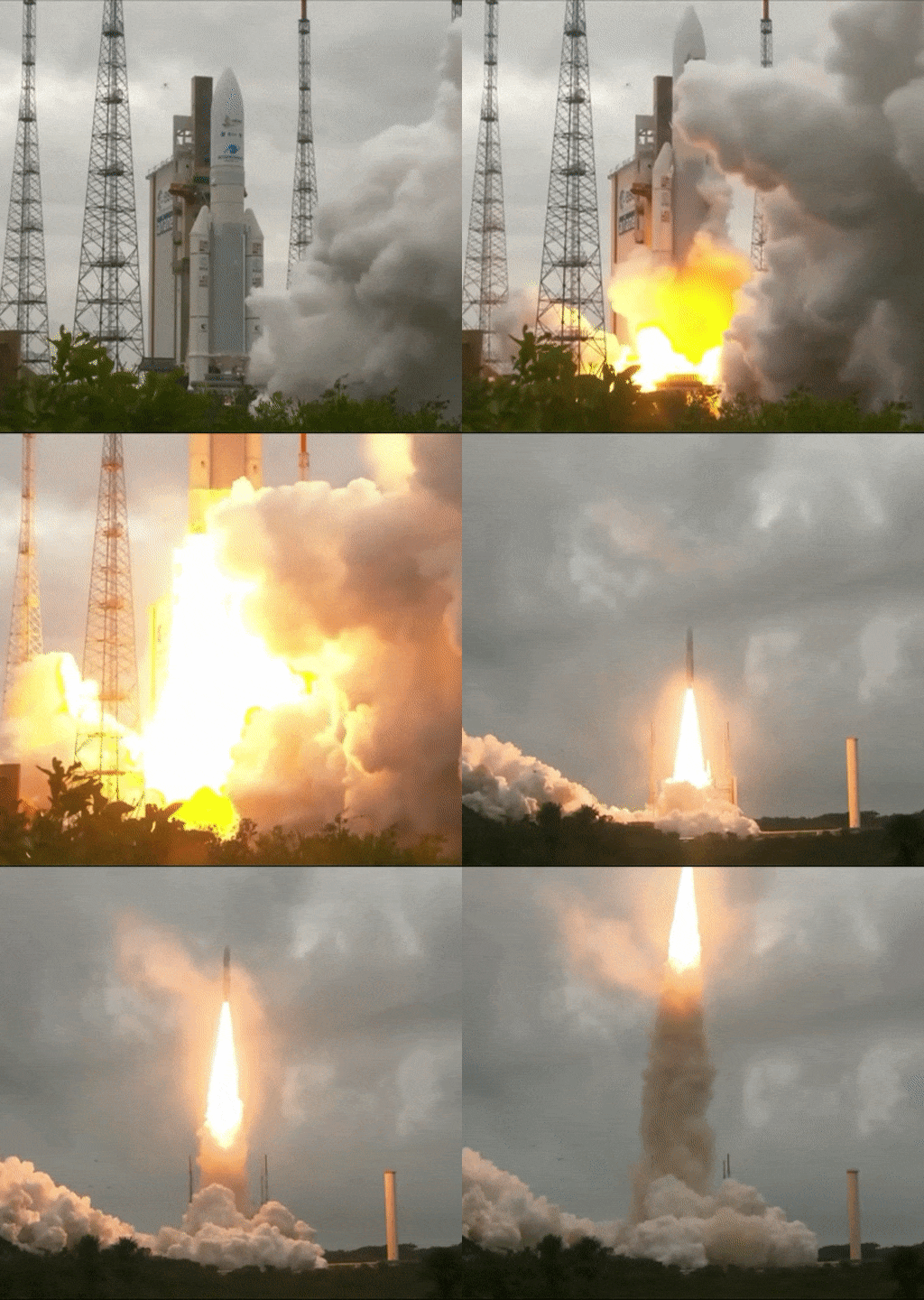
As US science faces record cuts to funding, jobs, and facilities, these 10 quotes help remind us how science brings value to us all.

If an asteroid hadn't killed off the dinosaurs, humans would almost certainly have never walked the Earth.

In his new book, the popular science writer tells the story of how scientists discovered the “gaseous ocean” we all swim in — and the trillions of invisible life forms we share it with.

These books helped build the empirical case that life's origins differ from those described in myths and legends.

The primary causes of global climate change are all due to human activity. Adding aerosols to our atmosphere only exacerbates the problem.

Life might be more common across the Universe than the "Hard Steps Model" suggests.

Great tidal ranges are relatively rare on a global scale — and can be very deadly to the unsuspecting foreshore walker.

Caption:“At this time in Mars’ history, we think CO2 is everywhere, in every nook and cranny, and water percolating through the rocks is full of CO2 too,” Joshua Murray says.

A scientist’s first-hand account shows the world can tackle a global environmental crisis.

The laws of physics aren't changing. But the Earth's conditions are different than what they used to be, and so are hurricanes as a result.

The salinity of the oceans is not just a matter of taste. Saltier water behaves differently, too.

You could call this rectangle covering parts of Iran, Iraq, and the Arabian Peninsula the “Oven Window.”

In the 1970s, James Lovelock proposed that the biosphere was not just green scruff quivering on Earth's surface. Instead, it managed to take over the geospheres.

2mins
“We wouldn’t be able to talk about minerals if it weren’t for the minerals themselves.” Mineralogist Bob Hazen explains how Earth’s rocks can teach us about our planet’s technicolor history.

3mins
The mind-blowing theory that everything is evolving—from minerals to music—explained in 3 minutes by a Carnegie scientist.

On a cosmic scale, our existence seems insignificant and inconsequential. But from another perspective, humans are completely remarkable.

3mins
“I study the mineral kingdom — and its secrets could lead us to alien life.”

Thanks to the Coriolis force, hurricanes never cross the equator.

The Moon is the most likely place for evidence from the dawn of life on Earth to be preserved in cold storage.