



Search
Historical Memory
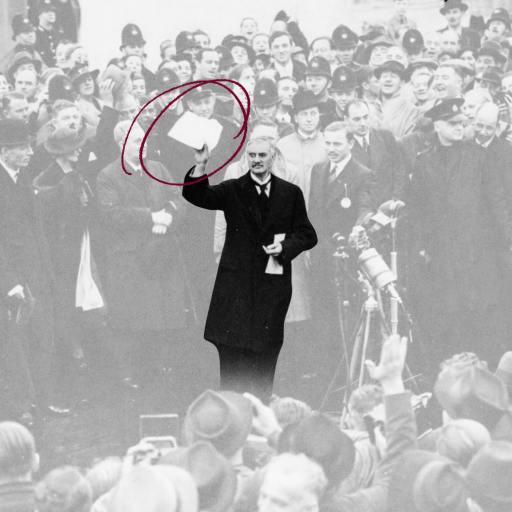
From Hitler to Hamas, Western powers have repeatedly dismissed open threats as bluffs — with catastrophic results.
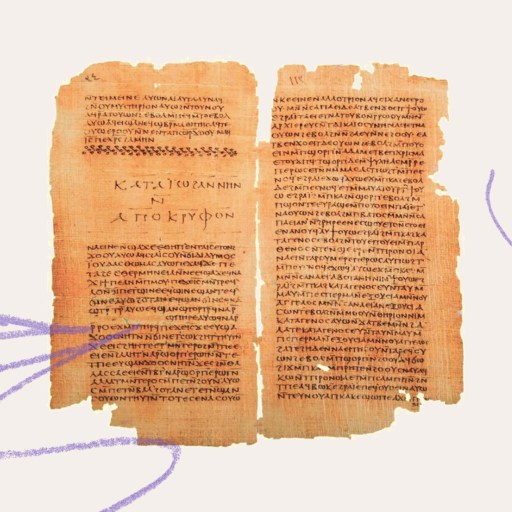
Experts and Big Think writers recommend their favorite reads for diving deeper into the history and perspectives found in the Book of Books.
18mins
“The fear of panic has killed more people than most disasters themselves.”
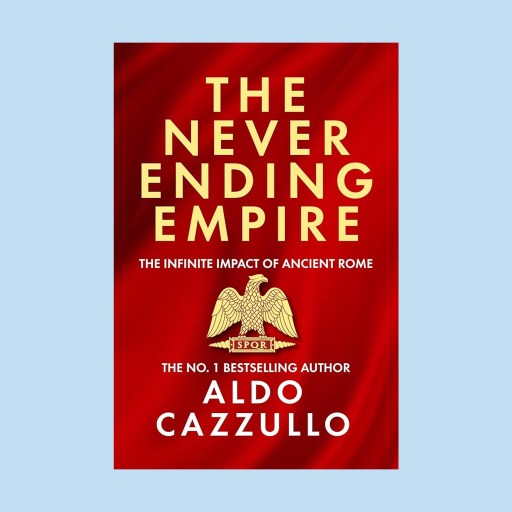
From medieval myths to Shakespeare's plays and modern cinema, British culture kept the Roman Empire alive long after its fall.
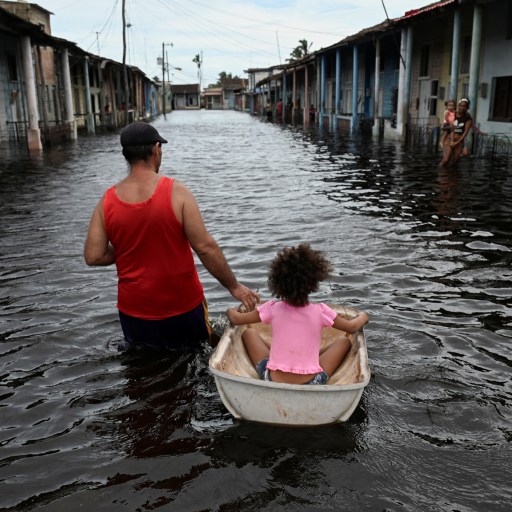
A deep dive into missing data and the limitations of disaster databases.
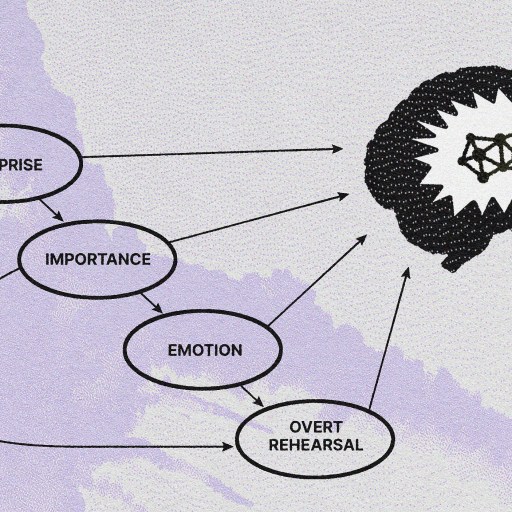
An excerpt from “Memory,” a primer on human memory, its workings, feats, and flaws, by two leading psychological researchers.
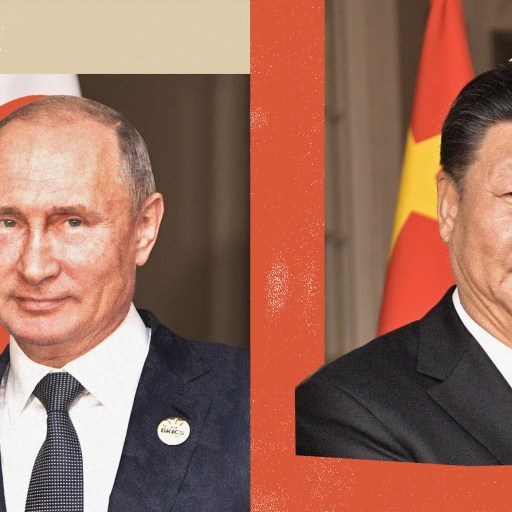
Autocrats like Xi Jinping and Vladimir Putin fear democracy, yet go to great lengths to present themselves as democratic leaders.
Omer Bartov, who spent decades studying the unspeakable horrors of genocide, shares how his studies have impacted his own mental health.
A sober look at a wild conspiracy theory that argues the Middle Ages never happened.

On December 9, 2023, Halley's Comet reached aphelion: its farthest point from the Sun. As it returns, here are 10 facts you should know.
From Æthelred the Unready to Halfdan the Bad Entertainer, these strange epithets colored the legacy of four rather unlucky historical figures.
The stench of death is actually fairly pleasant.
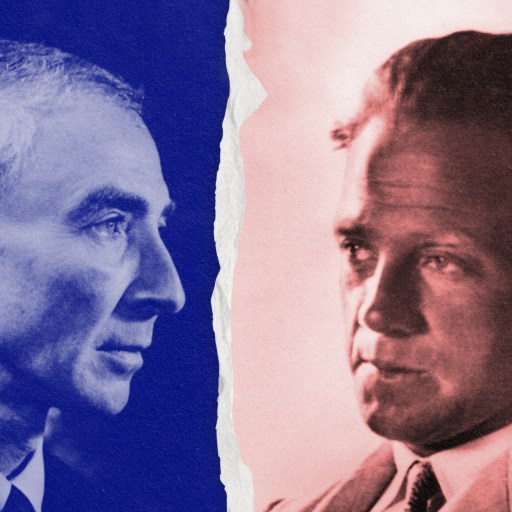
As the Manhattan Project headed for completion, German attempts to build a nuclear weapon had already been dismantled.
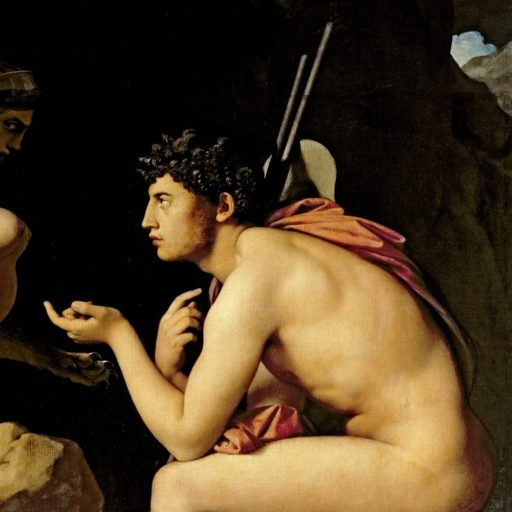
Explore how belief shapes destiny, from Oedipus Rex to modern geopolitics.
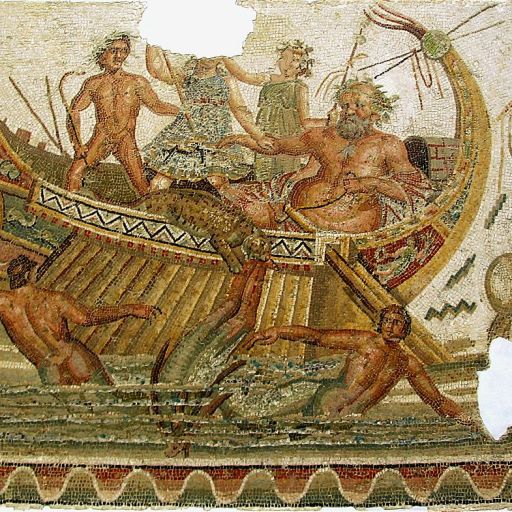
Only Caesar lived to tell the tale.
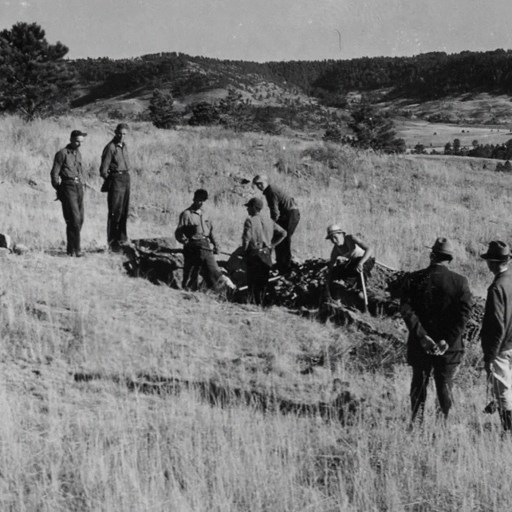
Fossil Cycad National Monument held America’s richest deposit of petrified cycadeoid plants, until it didn’t.
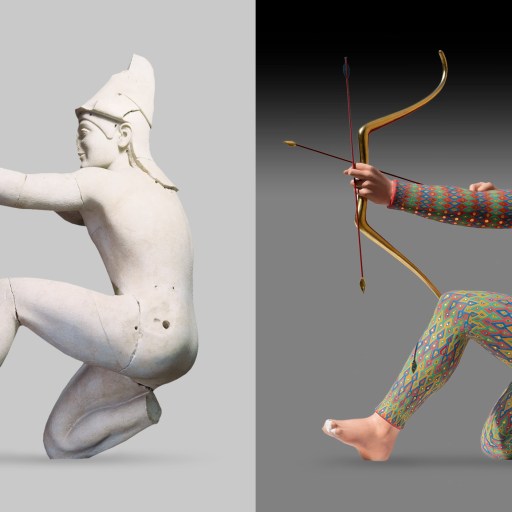
Those white, marble statues you see in museums all over the world were originally painted with bright colors.

Dante’s epic journey through hell and heaven reveal how the poet felt about his own country.

Mary Toft staged an elaborate hoax, but the pain was real.

“Who is the aggressor?” That depends on which of these maps you believe.
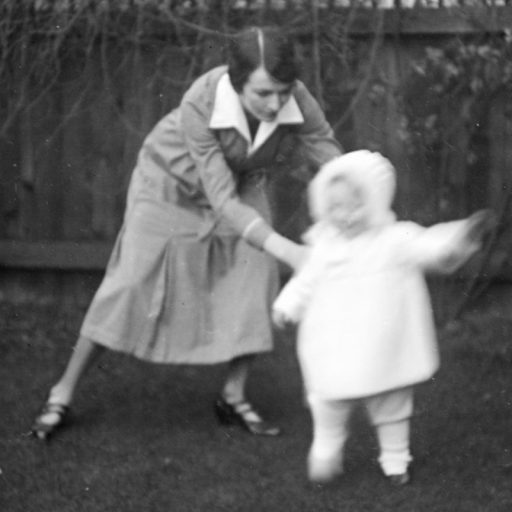
The chances that a newborn survives childhood have increased from 50% to 96% globally.
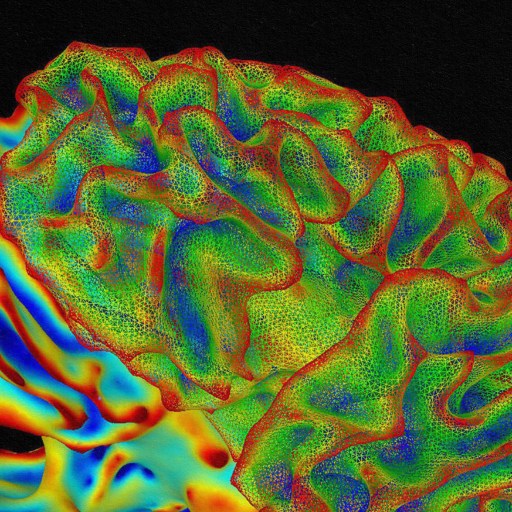
The content of our long-term memories is constantly "reconstructed" by our brains. The same is true of memories formed mere seconds ago.

It wasn't merely an act of brutality; it was a condemnation for the afterlife.

"The Da Vinci Code" popularized the idea that Christians stole much of their theology. It's wrong, especially regarding Christmas.
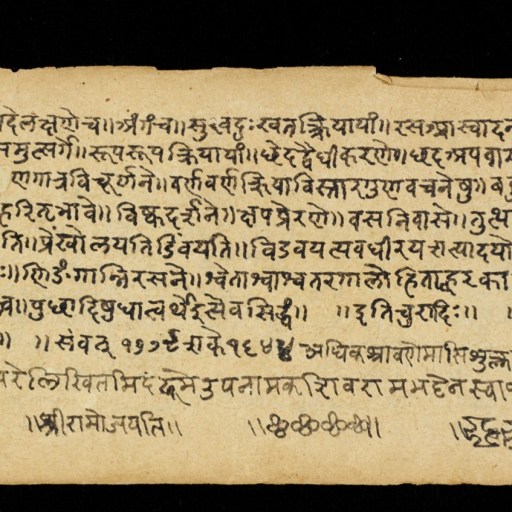
A Cambridge Ph.D. student has solved a grammatical problem that has befuddled Sanskrit scholars since the 5th century BC.
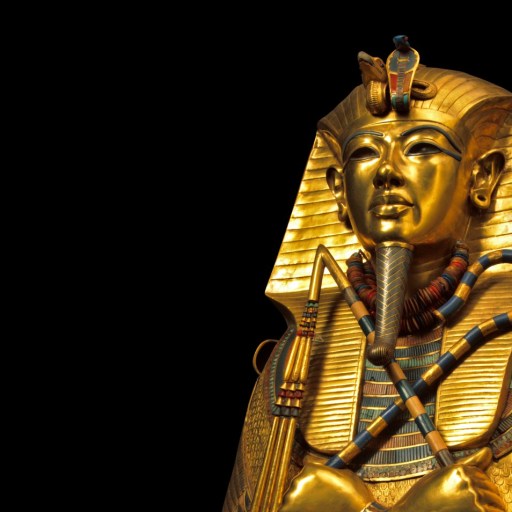
With almost every shovel of sand shifted in Egypt, another artifact comes to light.

Instead of worshipping Yahweh, the devotees were perhaps dedicated to Mars and Jupiter.

Many were expecting extremism survivor and free speech advocate Salman Rushdie to take home the Nobel Prize in Literature, but Annie Ernaux beat him to it.
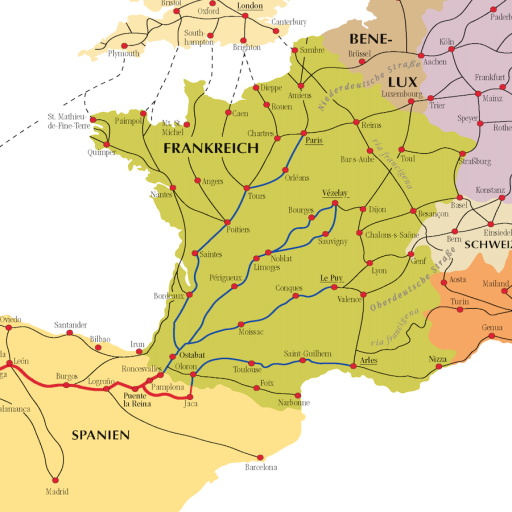
Scallop shells have accompanied pilgrims to and from Santiago de Compostela for centuries, for more than one reason
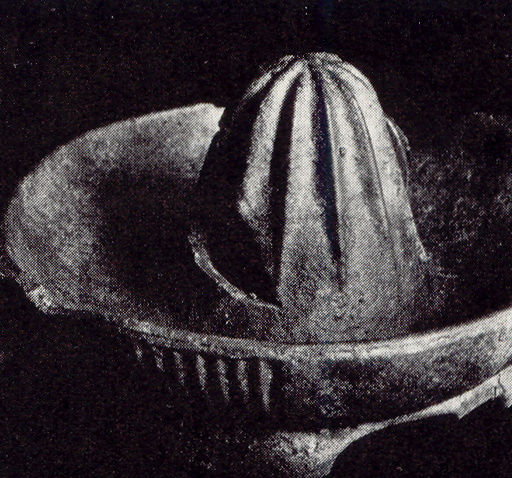
The artifacts were often made from found objects – an Ivory dish-soap bottle transformed into an earthenware figure.