




















Search
Memory Systems
6mins
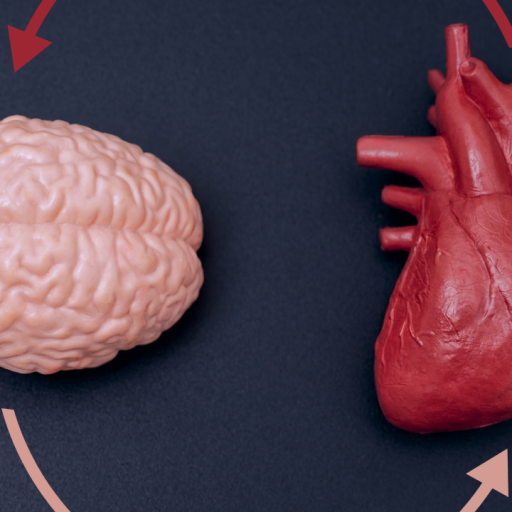
You've heard of the mind-body connection. But have you ever actually tried to understand your own? Three scientists break down the feedback loop running your brain and body — and what becomes possible when you learn to use it.
Unlikely Collaborators
6mins
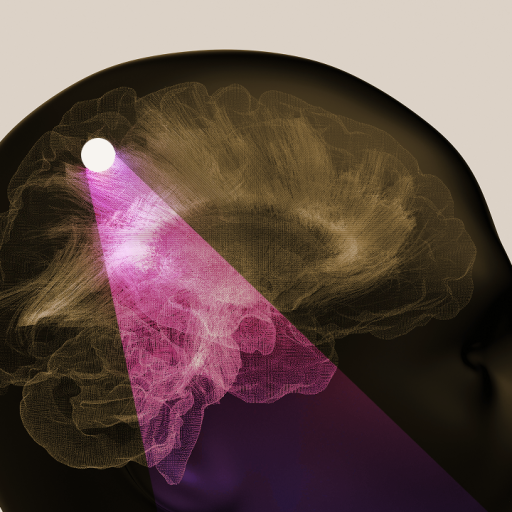
The voice in your head feels like your own, but it’s actually constructed by neurological processes. Three experts explain how this system shapes both perception and identity.
Unlikely Collaborators

One of the toughest vocational exams in the world requires candidates to memorize 25,000 streets in an area five times the size of Manhattan.
3mins
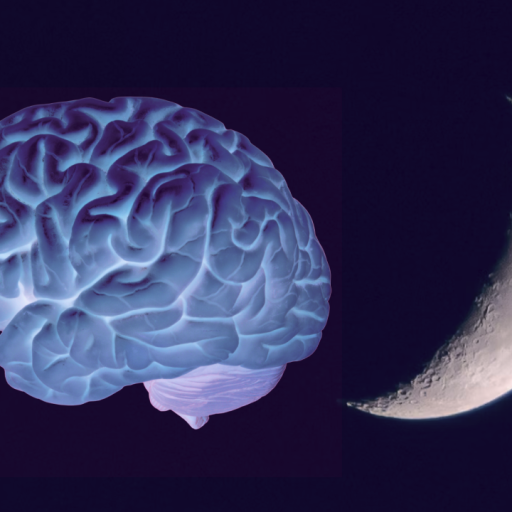
Sleeping better helps you think better, which helps you live better. Three experts explain why quality sleep is imperative to brain function, problem solving, communication, and more.
Unlikely Collaborators

Members
In this expert class, writer Maria Konnikova explores how Sherlock Holmes's rational sleuthing techniques can be applied to real-world science, enhancing our understanding of memory, creativity, and problem-solving.

When your head is full of information, how can you actually make use of it?

2mins
Your brain changes when you experience something, and it changes again when you remember it. Two neuroscientists explain what that means for memory, perception, and identity.
Unlikely Collaborators

Memory takes effort, and our brains know it.

Participants’ brains revealed they were doing a kind of “neural replay” of the game they had been manipulated to win.

"I am free. It's a lot of effort to be free from the prison that is in your mind, and the key is in your pocket." - Edith Eva Eger

Changing the narrative on false memories might be surprisingly simple.

Research suggests curiosity triggers parts of the brain associated with anticipation, making answers more rewarding once discovered.

Whenever something goes wrong — in business as in life — we tend to get cause and effect totally muddled up.

Is a repressed memory always so bad?

Beer before wine and you'll feel fine? Well, it depends.

An excerpt from “Memory,” a primer on human memory, its workings, feats, and flaws, by two leading psychological researchers.

The truth may be out there — but it’s not in these close encounters of the third kind.

Memories aren’t mental recordings, but pliable information we can use to better manage the present and conjure future possibilities.

Here's the thorny reality behind psychedelics' ability to unearth buried memories.

To make a ton of information stick in your mind, you have to make it chunky.

Research suggests you can influence your sense of time by changing the “embodiedness” of your daily habits.

High-frequency oscillations that ripple through our brains may generate memory and conscious experience.
6mins
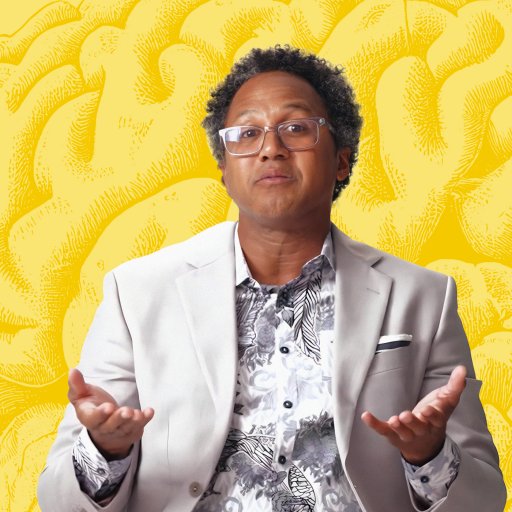
There are three kinds of memory that all work together to shape your reality. Neuroscientist André Fenton explains.
Unlikely Collaborators

After my father died, my journey of rediscovery began with the Czech language.

Your brain is not an obsolete piece of technology. Once properly trained for learning, it’s your ticket to navigating the AI landscape.

Katie Kermode — a memory athlete with four world records — tells Big Think about her unique spin on an ancient technique to memorize unfathomably long lists of information.

If you want to achieve new goals, harness your brain's ability to change chemically, structurally, and functionally.

We are prone to false memories. One reason is that we are biased toward remembering tidy endings for events, even if they didn't exist.

Language influences how you visually process the world, which in turn influences your memory of it.

Bad news: Sleeping in on the weekends probably won't cut it.