




















Search
Neuroscience

Health policy expert Ezekiel Emanuel says you don’t have to be obsessed to live a healthy life. Wellness can, and should, be something you enjoy.

Emily Mendenhall traces the medical myths, gender bias, and neurological truths behind hysteria, one of history’s most damaging diagnoses.

Neuroscience isn’t dissolving philosophy’s hardest problems — it’s forcing us to rethink where they live.

By tracking brain activity as primates move freely in the wild, neuroethology could reshape what we think we know about our own minds.

Big Think and the John Templeton Foundation gathered scientists, artists, and storytellers in Los Angeles to explore the power of awe.

Rituals serve psychological functions that go far beyond mere habit or tradition.

As we crank up our search for more powerful AI, maybe we should slow down and reimagine the shape and language of intelligence itself.
2mins
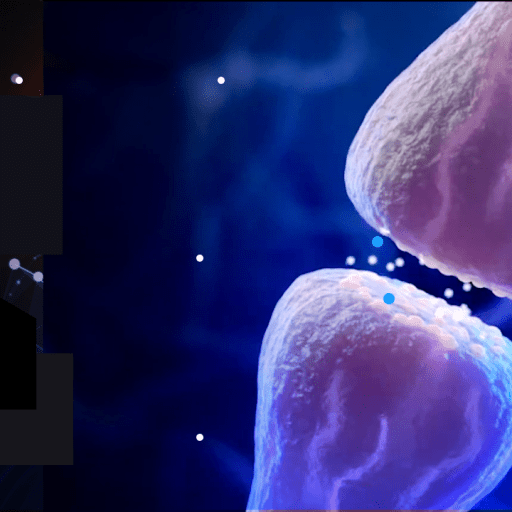
Our brains weren’t built for the amount of info we deal with now. That’s why scientists have made the case for a “second brain” — a place to dump ideas so you can actually see how they connect later.
Unlikely Collaborators
12mins
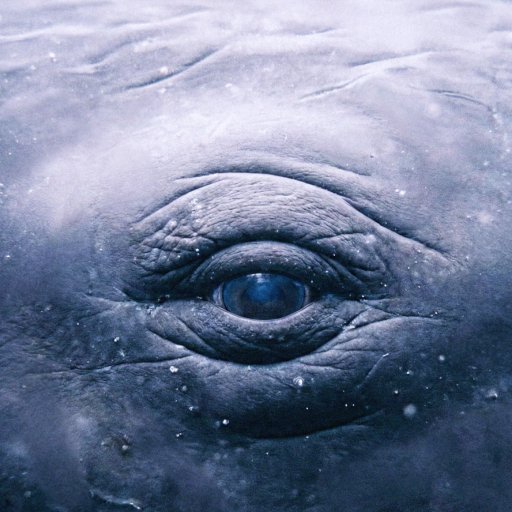
Ninety million years after our lineages split, humans are beginning to listen to whales in a new way. Marine biologist David Gruber shares the work that has become his life’s pursuit: learning how to hear the planet’s largest mammals.

2hr 9mins
“Psychedelics crosscut so many interesting domains. They've been used for time immemorial by indigenous cultures. In our own Western cultural history, they really exploded on the scene in the 1960s, and were associated with radical changes to society.”

Welcome to The Nightcrawler — a weekly newsletter from Eric Markowitz covering tech, innovation, and long-term thinking.

The technology might be much closer than you'd think.
3mins
The brain is an “illusion factory.” Here’s what that means for our perception of time.
Unlikely Collaborators

1hr 12mins
“Consciousness is fundamental. It's a fundamental property of the world that we inhabit, a fundamental property of the universe.”
3mins
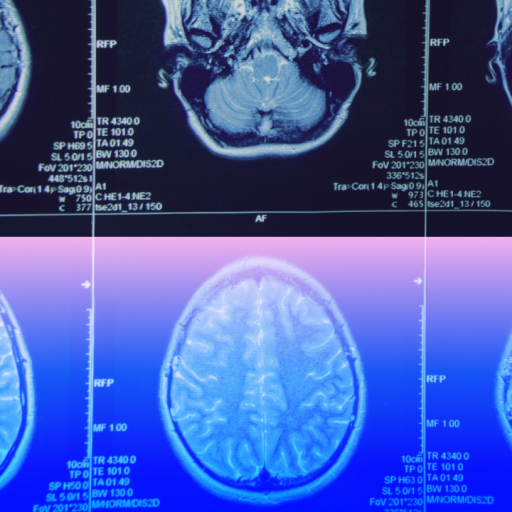
From neuroscience to philosophy, experts reveal why compassion may be the most important human skill we have.
Unlikely Collaborators

It's no wonder great writers swear by messy first drafts.

In this excerpt from "Playful," Cas Holman surveys the research that brought the neuroscience of play into the mainstream.
3mins
Philosophy asks if free will is real. Neuroscience reveals why the answer is more complicated than we expected.
Unlikely Collaborators

In this excerpt from "One Hand Clapping," Nikolay Kukushkin makes the case that neurons reveal how memory, meaning, and even consciousness emerge from the same biological roots in humans, sea slugs, and beyond.

In “Warhead,” neuroscientist and national security adviser Nicholas Wright explains how the brain navigates warfare and why it is our ultimate weapon (and instrument for peace).

The whole isn't greater than the sum of its parts; that's a flaw in our thinking. Non-reductionism requires magic, not merely science.

Getting drunk might be bad for you but good for us.
6mins
Daily habits can help you thrive or quietly turn into addictions. The difference is how your brain handles cues, routines, and rewards. Three experts explain how to work with your wiring instead of against it.
Unlikely Collaborators
3mins
Language is a huge part of human development, even the language we keep to ourselves. Three experts explain how words and beliefs can change our brains and our lives:
Unlikely Collaborators

59mins
"One of the largest mitigating factors against getting traumatized is who is there for you at that particular time."

You may actually be on the same wavelength.

Life's "in-between" stages pack unique cognitive benefits — if you know how to tap into them.

The incredible story of how the US Army began the march toward generative AI in 1943 — and what it means for your business today.

Members
Barbara Oakley, instructor of a popular MOOC, offers strategies for enhancing learning skills by leveraging insights from neuroscience and cognitive science, addressing the challenges posed by our brain's hardwiring in changing habits and acquiring new skills.

Members
This class explores the link between neurobiology and productivity, teaching participants to optimize willpower and focus through strategies like meta-awareness, the Pomodoro Technique, and the importance of rest, while experts share insights on achieving peak performance amidst modern distractions.