




















Search
Science and Tech

“Isn’t it enough to see that a garden is beautiful without having to believe that there are fairies at the bottom of it too?”

There are many things that separate science from ideology, politics, philosophy, or religion. Follow these 10 commandments to get it right.

New tests to detect species being traded, as well as population studies, aim to help save them.

A long view of biological survival might point us to new possibilities for finding life elsewhere in the Universe.

Architecture in the age of AI — argues professor Nayef Al-Rodhan — should embed philosophical inquiry in its transdisciplinary toolkit.

The last infant stars are finishing their formation inside these pillars of gas. The evaporation of those columns is almost complete.
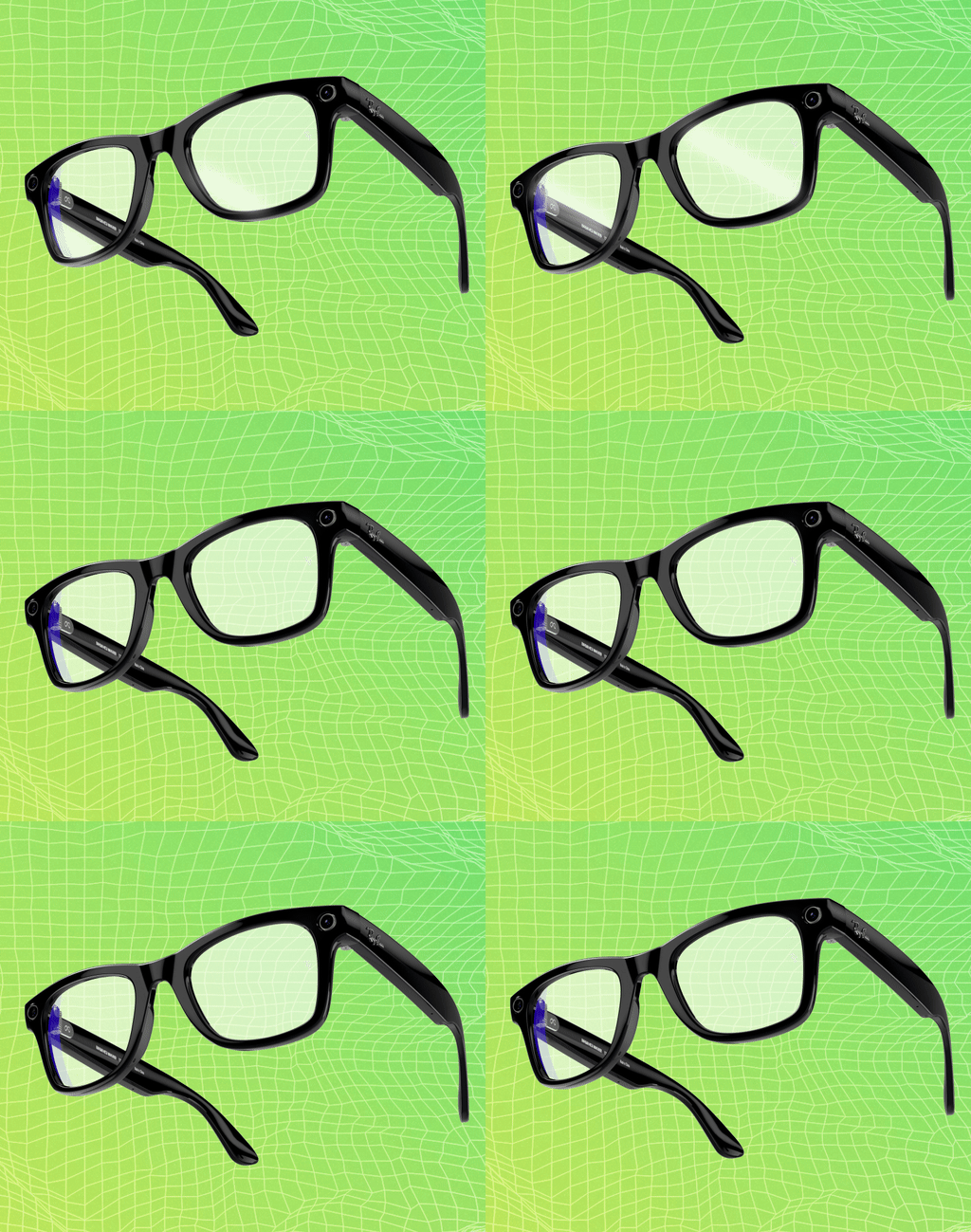
Smart glasses have flopped before. AI could finally make them mainstream.

Kurzweil predicts that AI will combine with biotechnology to defeat degenerative diseases this decade. Then things will get really interesting.

3mins
“I study the mineral kingdom — and its secrets could lead us to alien life.”

Sure, there's less daylight during winter than summer, as your hemisphere is tilted away from the Sun. But darkness goes deeper than that.

"We should be informed and educated about the risks of AI, but we can’t be afraid,” Khan Academy founder Sal Khan told Big Think.

Our thermodynamic arrow of time explains why the entropy of any isolated system always increases. But it can't explain what we perceive.

The near and far sides of the Moon are so different from each other, and no one is sure why. New lunar samples could confirm a wild theory.

This research team is working out how to detect extraterrestrial cells in the liquid water ocean hidden beneath Enceladus’s icy crust.

The evolution of quantum technology is far from over.

Our “embodied minds” suggest an eventual escape from mortality via computer is unlikely.

All telescopes are fundamentally limited in what they can see. JWST reveals more distant galaxies than Hubble, but still can't see them all.

Thanks to the Coriolis force, hurricanes never cross the equator.

There was a time where no starlight was visible throughout the entire cosmos. That time was short-lived: shorter than astronomers imagined.

Hunger rates are rising. These technologies could turn the tide.

Gravitational waves carry enormous amounts of energy, but spread out quickly once they leave the source. Could they ever create black holes?

CERN's NA64 experiment used a high-energy muon beam technique to advance the elusive search for dark matter, offering new hope for solving one of astronomy's greatest mysteries.

The sharpest optical images, for now, come from the Hubble Space Telescope. A ground-based technique can make images over 100 times sharper.

Almost 100 years ago, an asymmetric pathology led Dirac to postulate the positron. A similar pathology could lead us to supersymmetry.

Neuroscientist Christof Koch on human minds, AI, and bacteria.
9mins
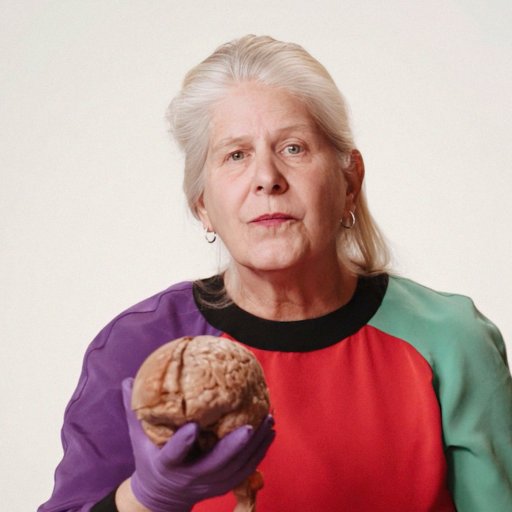
At age 37, neuroanatomist Dr. Jill Bolte Taylor suffered a stroke that would take her eight years to fully recover from. This is how it changed her understanding of the brain.
Unlikely Collaborators

From the coldest planets to spacecraft that have exited the Solar System, these little-known facts stump even many professional astronomers.

A look back at the rise of solar power in the US and what's next.

10mins
Dr. Jen Gunter debunks the most common myths about menstruation.

The Universe's history, from cosmic inflation to the Big Bang to the present, is known. But whether it's infinite or not is still a mystery.