

Long before biologists could edit genes, grow embryos in the lab, or connect computers to the human brain, science-fiction writers were already imagining these biotechnologies and how they might reshape society — for better or (usually) for worse.
But sci-fi writers aren’t psychics. While the five novels below did foreshadow modern biotech, their authors’ visions of the tools leading us toward dystopia — or dinosaurs run amok — haven’t materialized. Instead, these technologies are helping people treat diseases, regain lost abilities, and build the families of their dreams.
That all may not be as pulse-pounding as a Velociraptor attack, but it’s every bit as world-changing.
Brave New World by Aldous Huxley (1932)
Foreshadowed: In vitro fertilization
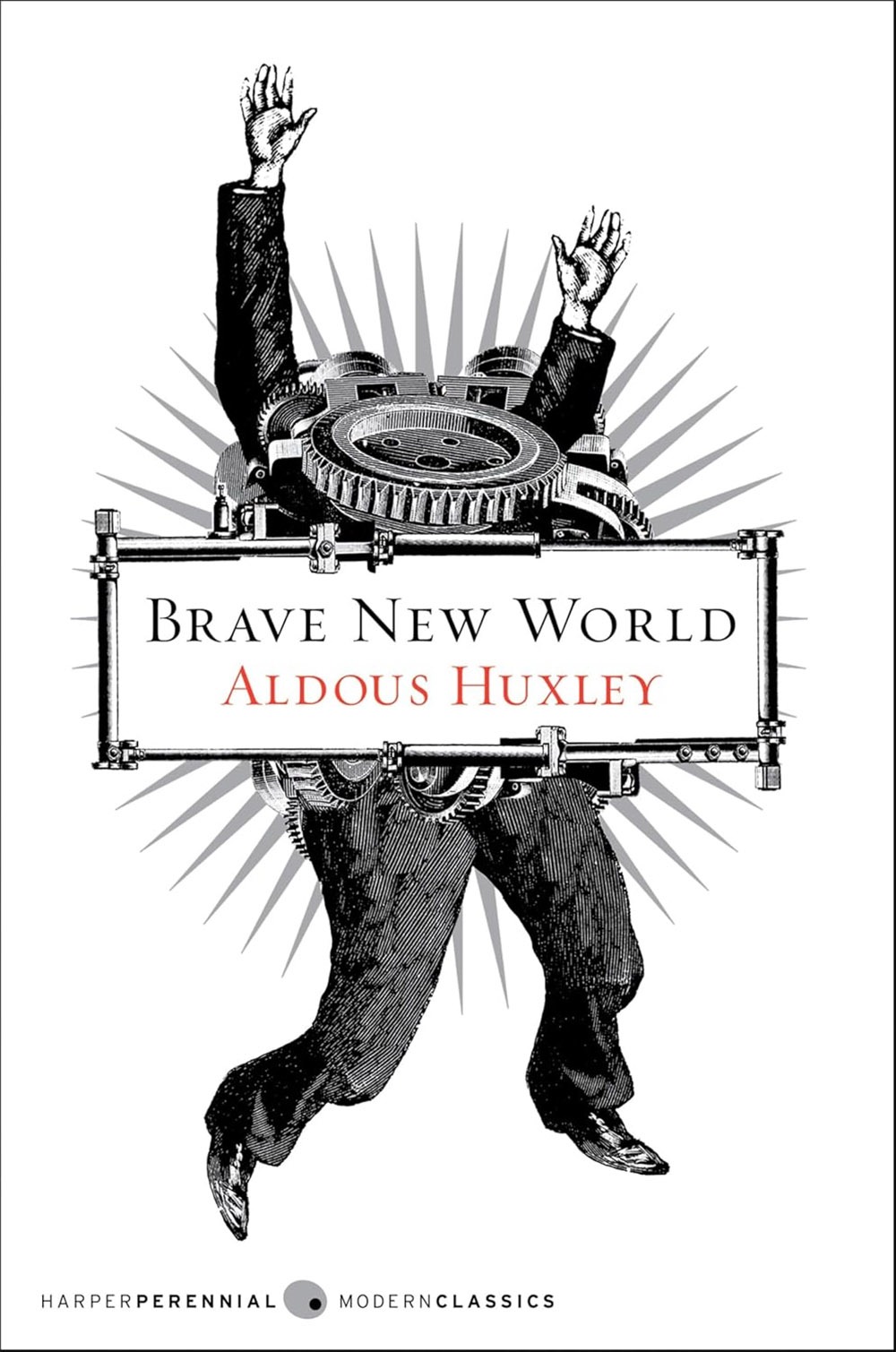
English author Aldous Huxley’s dystopian sci-fi novel Brave New World opens with a tour of a London factory, but this facility isn’t making car parts or textiles — it’s manufacturing people.

At the Central London Hatchery and Conditioning Centre, human eggs are fertilized in test tubes and gestated in artificial wombs. During the process, the embryos are engineered to fit predetermined roles in society. Those designated for menial labor, for example, undergo oxygen deprivation to minimize their intelligence, while those who will grow up to work in tropical mines are conditioned to hate the cold and thrive on heat.
While most of Huxley’s vision of reproduction in the 26th century is still, thankfully, fiction, his idea that humans could start their lives in the lab proved prescient. More than four decades after the novel’s publication, a British woman gave birth to a baby conceived via in vitro fertilization (IVF). Since then, mothers have given birth to an estimated 13 to 17 million “test-tube babies” worldwide.
Artificial wombs could be the next biotechnology to make the leap from sci-fi to reality. Researchers have already gestated animal fetuses born prematurely in devices designed to mimic the womb environment, and the hope is that the technology will be available to human preemies soon, helping them avoid health issues that come from being born early. However, artificial wombs capable of supporting a fetus through the entire nine months of development — like those found in Brave New World — are still far beyond our capabilities.
Neuromancer by William Gibson (1984)
Foreshadowed: Modern brain-computer interfaces
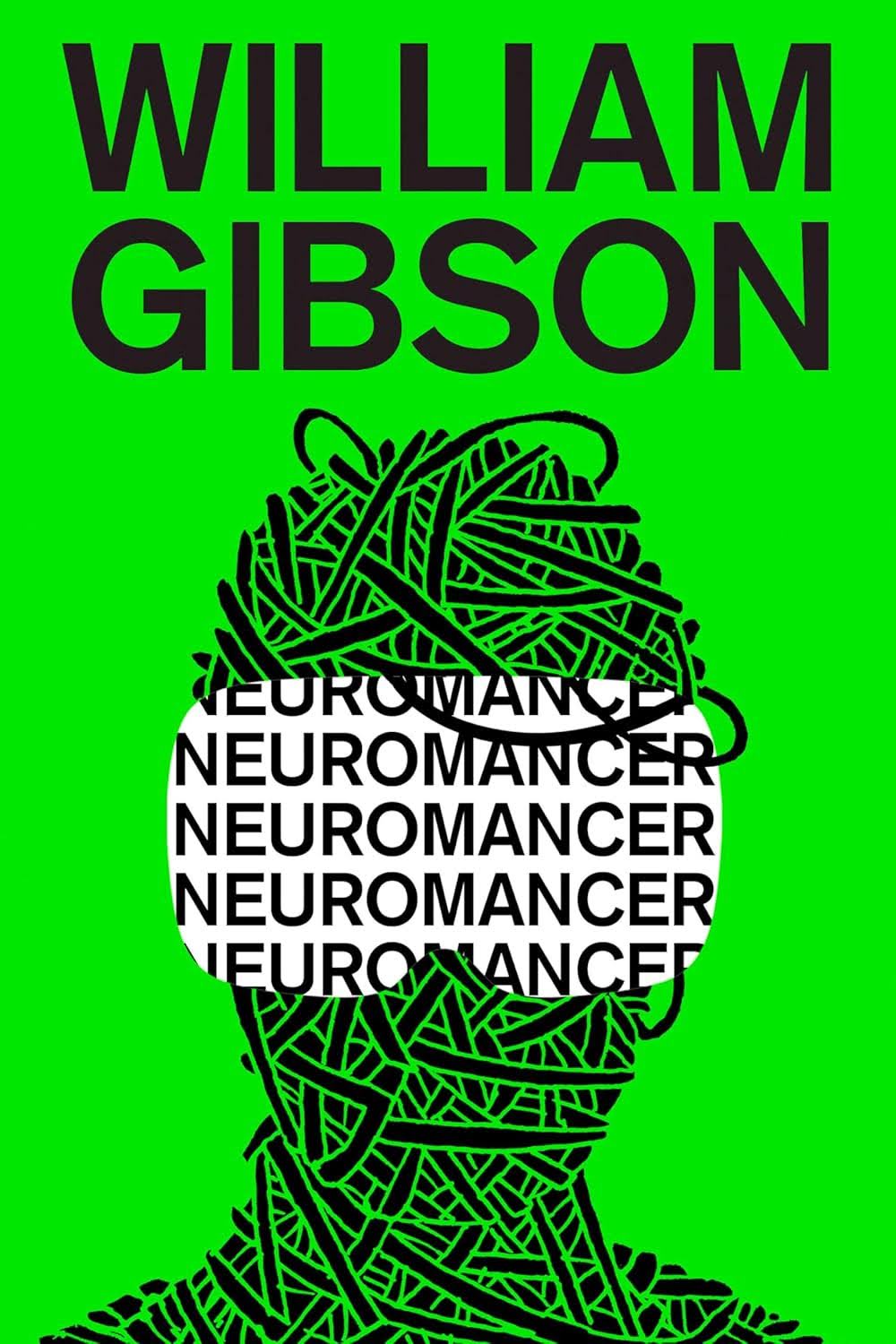
Before The Matrix, there was Neuromancer, American-Canadian author William Gibson’s debut novel.
One of the most beloved sci-fi works of all time — it’s the only novel to win the Hugo, the Nebula, and Philip K. Dick awards, which is basically the sci-fi equivalent of EGOT-ing — it depicts a dystopian future in which people have cranial implants they connect to portable devices called cyberdecks. Once “jacked in,” their consciousness is transported to a shared digital world known as cyberspace.
Though not the first work of sci-fi to describe a technology that could connect human brains to machines, Neuromancer came closest to describing some of the modern world’s most advanced brain-computer interfaces (BCIs), which often use a port in the skull to connect the brain to a computer. Rather than transporting people to virtual worlds, these systems are primarily used to help patients cope with ALS, paralysis, and other health issues.
Until recently, invasive BCIs — meaning ones that connect directly to the brain, rather than recording or manipulating brain activity from outside the skull — relied on head-mounted ports and external cables, much like the cyberdeck systems depicted in Neuromancer. However, we’re starting to see fully-implanted wireless systems emerge, giving BCI users greater freedom and helping the technology move out of the lab and into people’s homes.
The Culture Series by Iain M. Banks (1987 – 2012)
Foreshadowed: Living pharmacies

Scottish author Iain M. Banks’ Culture series provides a utopian vision of the future — a breath of fresh air in a genre dominated by dystopias.
Each of the 10 books in the series is a standalone story set within the Culture, a post-scarcity society consisting of humanoid aliens and advanced AIs that have eliminated the need for work. Citizens have access to practically everything they could want or need. Most have opted to enhance their bodies with biotech, including “drug glands,” implants that secrete synthetic drugs, ranging from painkillers to stimulants, on demand.
Here on Earth, biotech researchers are developing implants that work similarly to these drug glands. Broadly known as “living pharmacies,” the implants contain cells that can produce and release specific therapeutic molecules into the body, such as insulin to regulate blood-sugar levels, monoclonal antibodies to combat inflammation, or GLP-1 receptor agonists to treat obesity. If these efforts are successful, the implants could free patients from the need for daily pills or weekly shots — not exactly the work-free existence of the Culture, but it would be one less thing to worry about.
Jurassic Park by Michael Crichton (1990)
Foreshadowed: De-extinction efforts

Not only was Michael Crichton’s signature sci-fi novel an almost-instant bestseller, it also inspired a hugely successful movie franchise that is still releasing new films 35 years after the book’s release. Given that popularity, it’s unlikely anyone reading this list is thinking “Jurassic what now?” But in case you need a refresher …
In the novel, scientists extract dinosaur blood from mosquitoes that have been trapped in amber since the Mesozoic Era. Using this blood and a bit of frog DNA, they are able to genetically engineer living dinosaurs, which they house in a theme park that investors expect will make them incredibly wealthy. But when the power goes out in an act of corporate espionage, a group of early visitors to the park discover what happens when the dinos are no longer trapped behind electric fences.
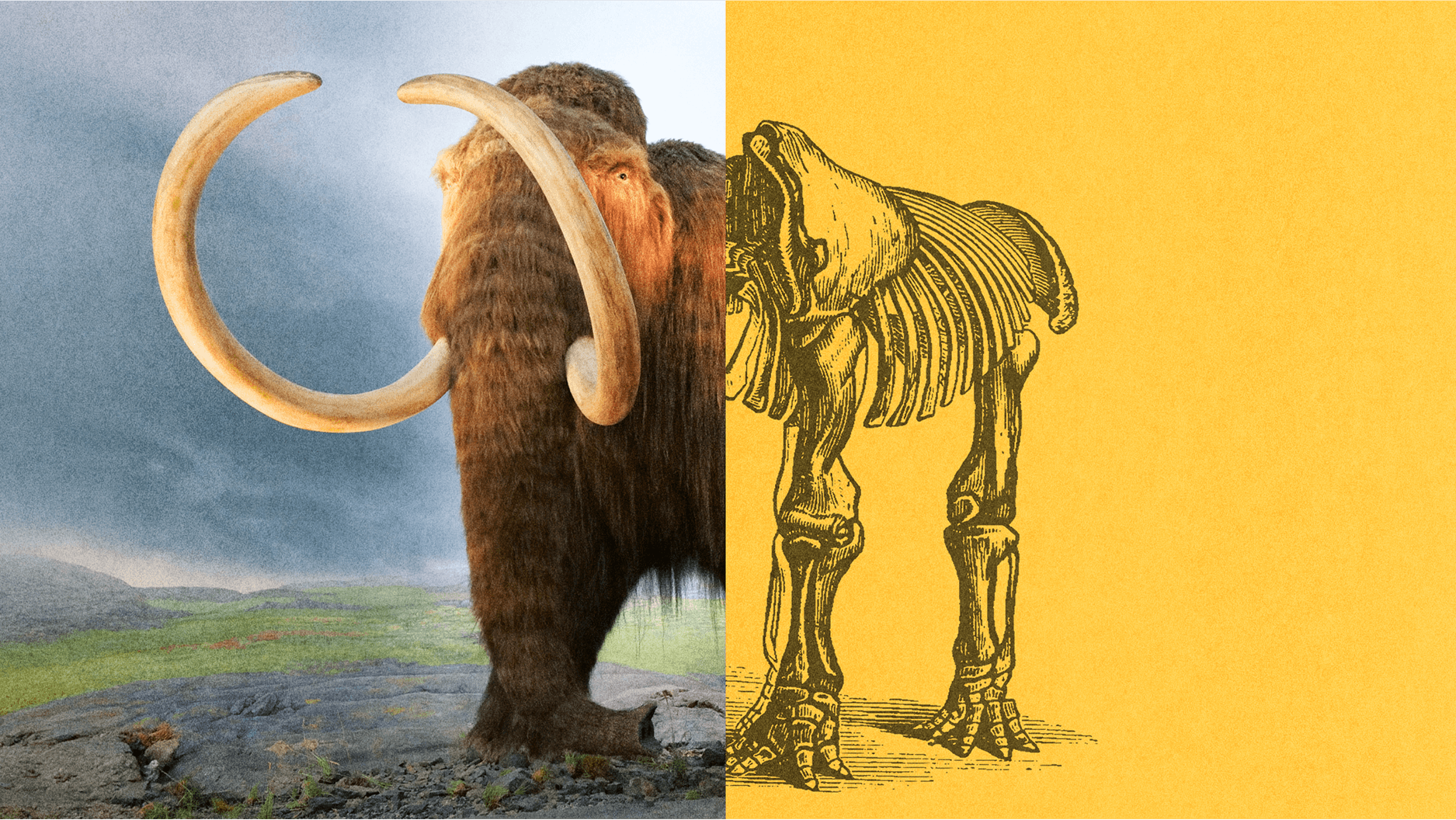
Though the science of Jurassic Park might sound plausible, it was impossible when the book was published in 1990, and it’s impossible now. DNA is fragile, and the possibility of some remaining stable for millions of years — in amber or anywhere else on Earth — is incredibly low. However, thanks to recent advances in genetic engineering, some scientists not only think we could resurrect species that went extinct more recently — such as the woolly mammoth, dire wolf, thylacine, and even the dodo — but are actively trying to do so.
The animals wouldn’t be perfect clones. As in Jurassic Park, scientists at companies like Colossal Biosciences need to use genetic material from closely related species to fill in the gaps of any recovered DNA. However, they would be close enough to serve the primary goal of these de-extinction efforts, which is to reintroduce extinct species into habitats that could benefit from their presence. Herds of woolly mammoth-like creatures, for example, could potentially slow permafrost thawing in the Siberian tundra. Unlike in Jurassic Park, though, a whole lot of thought is going into whether anyone should be attempting to resurrect these species.
Oryx and Crake by Margaret Atwood (2003)
Foreshadowed: Xenotransplantation

Canadian writer and inventor Margaret Atwood’s Oryx and Crake is set in a post-apocalyptic world, and through flashbacks, the reader learns that a bioengineer nicknamed Crake created a virus that killed off most of humanity. Prior to this, he worked at one of the society’s many powerful biotech corporations, which had mastered genetic engineering to the point they could even use it for applications as trivial as creating new pet species — as a child, the novel’s protagonist owned a raccoon-skunk hybrid known as a “rakunk.”
Far less trivially, one of the corporations created “pigoons,” pig-like creatures that had been genetically engineered to have organs suitable for transplantation into people. A single pigoon could have up to six kidneys and multiple livers and hearts, and thanks to the inclusion of human DNA in the animals’ genomes, their organs were unlikely to be rejected by the human body. Unfortunately, the human stem cells used to create the pigoons supercharged their intelligence, turning them into one of the post-apocalyptic world’s most dangerous species.
Examples of xenotransplantation — the transplantation of cells, tissues, or organs from one species into another — can be found in sci-fi as far back as H. G. Wells’ The Island of Doctor Moreau (1896), and scientists have been experimenting with it for nearly as long. However, Atwood’s take on it comes the closest to what we’re now seeing play out in reality: companies using genetic engineering to create pigs with human-compatible organs.
While they haven’t figured out how to fully prevent rejection, these companies have managed to keep organs working in transplant recipients far longer than was previously possible — the record is now nearly nine months for a pig kidney and two months for a pig heart. With each transplant, researchers are gaining new insights into making future pig organs more compatible with the human body — and potentially ending the donor organ shortage for good.
This article is part of Big Think’s monthly issue Biology’s New Era.

The Energy Transition