




















Search
Mind & Behavior
Study the science of how we think, feel, and act, with insights that help you better understand yourself and others.

1hr 42mins
“Why would adding shame and blame help me improve my behavior?”

2hr 9mins
“Psychedelics crosscut so many interesting domains. They've been used for time immemorial by indigenous cultures. In our own Western cultural history, they really exploded on the scene in the 1960s, and were associated with radical changes to society.”

10mins
Reflecting on the final moments she spent with her mother, and the weeks afterwards spent cataloging her life in objects and memories, Poet Laureate of the Ordinary Kelly Corrigan shares how important it is to attune, to behold, and to notice — even if it’s difficult or uncomfortable:
2mins
From science to philosophy, three perspectives explore why humans can’t stop asking “why.” Our search for purpose, they suggest, is less about finding answers and more about learning how to move forward.
Unlikely Collaborators

1hr 24mins
“There are at least three very much interrelated misconceptions about trauma right now.”

3mins
The brain is an “illusion factory.” Here’s what that means for our perception of time.
Unlikely Collaborators
12mins
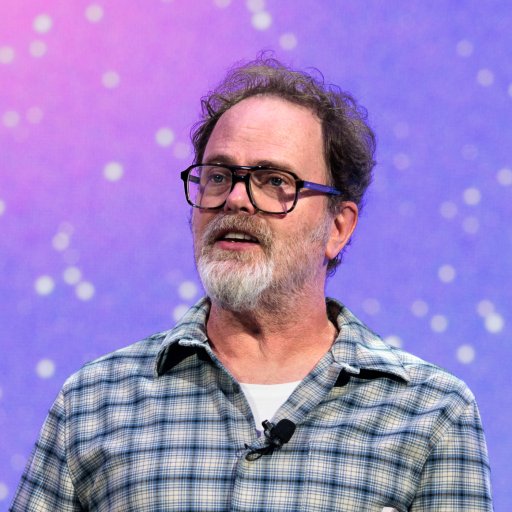
The hospital where Rainn Wilson’s wife and son nearly died became his own personal holy site. There, he discovered that the sacred can exist in places we least expect it.
During his talk at A Night of Awe and Wonder, he explained how the awe we feel in moments of courage and love is moral beauty — and following it might be the start of our spiritual revolution.

1hr 12mins
“Consciousness is fundamental. It's a fundamental property of the world that we inhabit, a fundamental property of the universe.”

10mins
“When you start to accept that you have profound influence on the world, but very limited control, you start to see the world differently.”

2mins
“In most instances, ‘good enough’ is good enough.” A time management expert, a cognitive scientist, and a psychologist share their takes on productivity, perfectionism, and the harm of hustle culture.
Unlikely Collaborators
14mins
If you’ve gotten goosebumps when hearing a story about a stranger’s selfless heroism, or you’ve felt your chest swell at a concert, when the audience’s voice and the musician’s instruments align, you have felt awe. And, according to professor Dacher Keltner, who has spent his life studying it, it’s one of humankind’s most unifying traits:
3mins
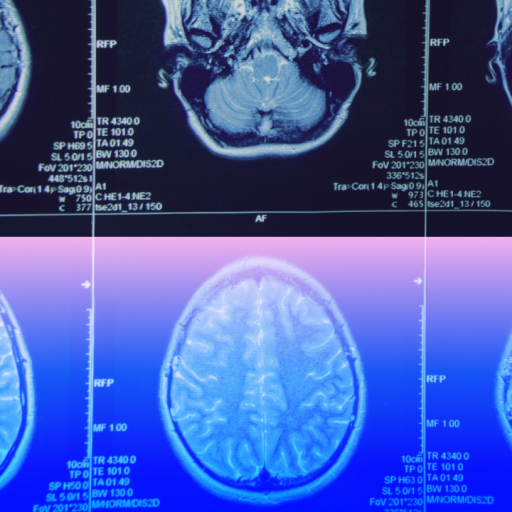
From neuroscience to philosophy, experts reveal why compassion may be the most important human skill we have.
Unlikely Collaborators

21mins
“The idea is that we move from a place of wanting the world to conform to what we like [towards] not needing other people to be different from who they are.”

1hr
“Let me walk you through the biggest traps that you should be aware of that are a danger to your financial wellbeing.”
3mins
Philosophy asks if free will is real. Neuroscience reveals why the answer is more complicated than we expected.
Unlikely Collaborators
6mins
Daily habits can help you thrive or quietly turn into addictions. The difference is how your brain handles cues, routines, and rewards. Three experts explain how to work with your wiring instead of against it.
Unlikely Collaborators

20mins
“It's certainly clear that the issues of boys and men haven't gone away in the last few years. If anything, they're getting even more attention, which is good when it's the right kind of attention.”

10mins
“The way my mind works is just out of anxiety and catastrophization.”
3mins
Language is a huge part of human development, even the language we keep to ourselves. Three experts explain how words and beliefs can change our brains and our lives:
Unlikely Collaborators

59mins
"One of the largest mitigating factors against getting traumatized is who is there for you at that particular time."