This December, like every December, will include a single moment — often marked by a particular day, which is December 21st here in 2025 — where our planet’s axial tilt is perfectly aligned with the invisible line connecting the Earth to the Sun. In December, it’s the northern hemisphere’s pole that’s tilted away from the Sun, while the southern hemisphere’s pole is tipped toward it; in June, the opposite situation is true. When your pole is tipped toward the Sun, your hemisphere experiences the longest days and shortest nights; when the pole is tipped away, you get long nights and short days. This remains true, solstice after solstice and year after year, no matter how much time passes.
Although there are many factors at play that determine the behavior of each planet — its spin and orbital angular momenta, the eccentricity of its orbit, the effects of general relativity and the other planets — there’s only one that determines when the solstices are: axial tilt. As every planet revolves around the Sun, it rotates on its axis, and only the orientation of that axis matters. Dependent on which side of the equator you’re on, you’ll experience the summer solstice when your hemisphere (north or south) is maximally tipped toward the Sun, and the winter solstice when your hemisphere is maximally tipped away from the Sun. The solstices are colloquially known as the longest or shortest day of the year. While this is true, they represent so much more than that. Here are the facts that everyone should know.
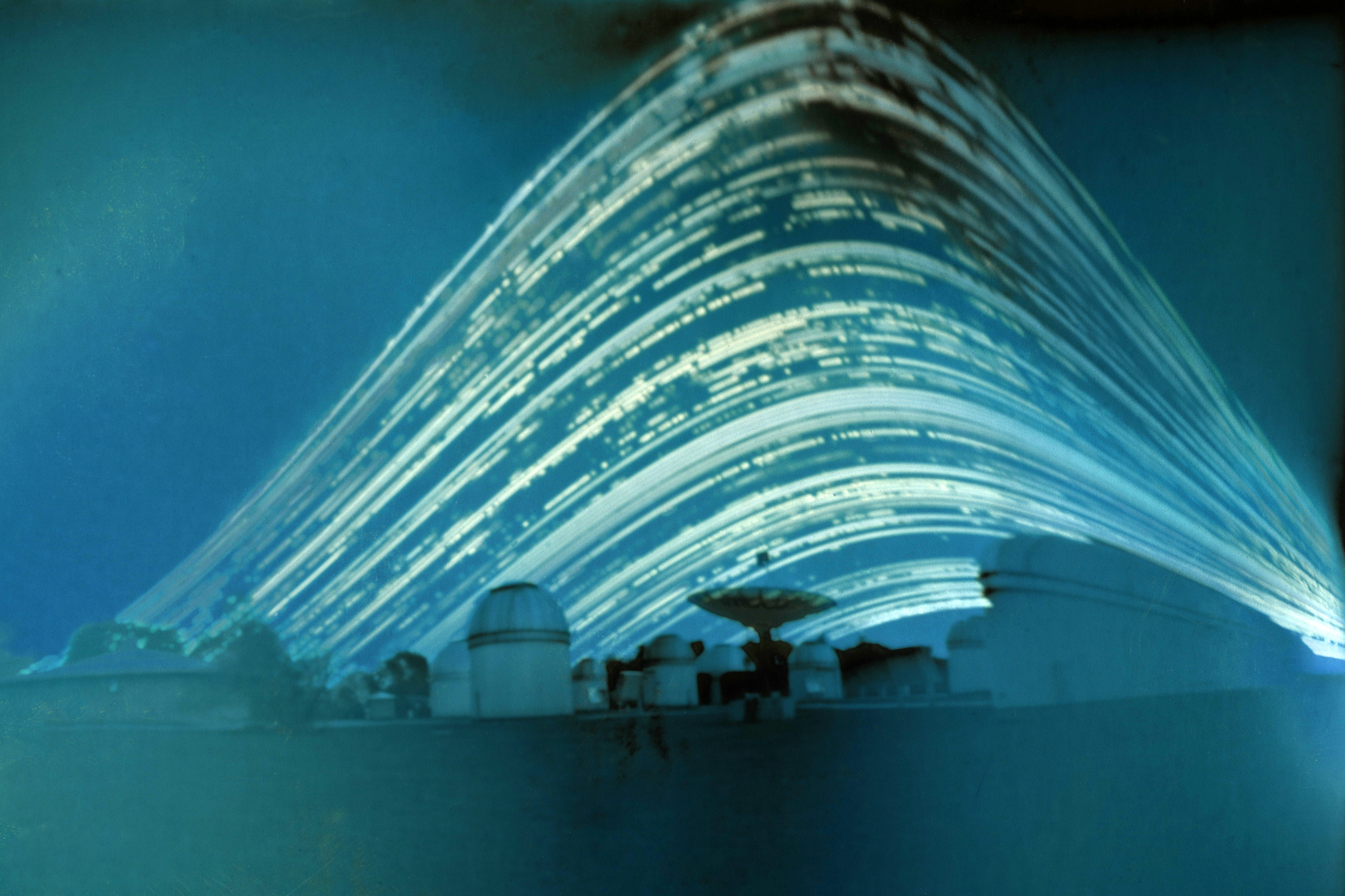
1.) Solstice literally means “Sun stands still” in Latin. If you were to trace out the path of the Sun in the sky throughout the year, such as with a pinhole camera (as shown above), you’d find that the Sun follows a set of paths that all correspond to it rising somewhere in the east/northeast/southeast, reaching a maximum height overhead, and setting somewhere in the west/northwest/southwest.
But over the course of a year, one path will be the longest and reach the highest point, while another path will be the shortest and reach the lowest maximum height above the horizon. These correspond to the solstices: winter and summer solstice, to be precise. The reason it’s called the solstice is because — for approximately a week on either side of the solstices — the apparent change in motion of the Sun is largely imperceptible. The Sun appears to “stand still,” and the word solstice comes from the Latin “sol” (for Sun) and the verb “stare” (to be fixed/rigid/unmoving).
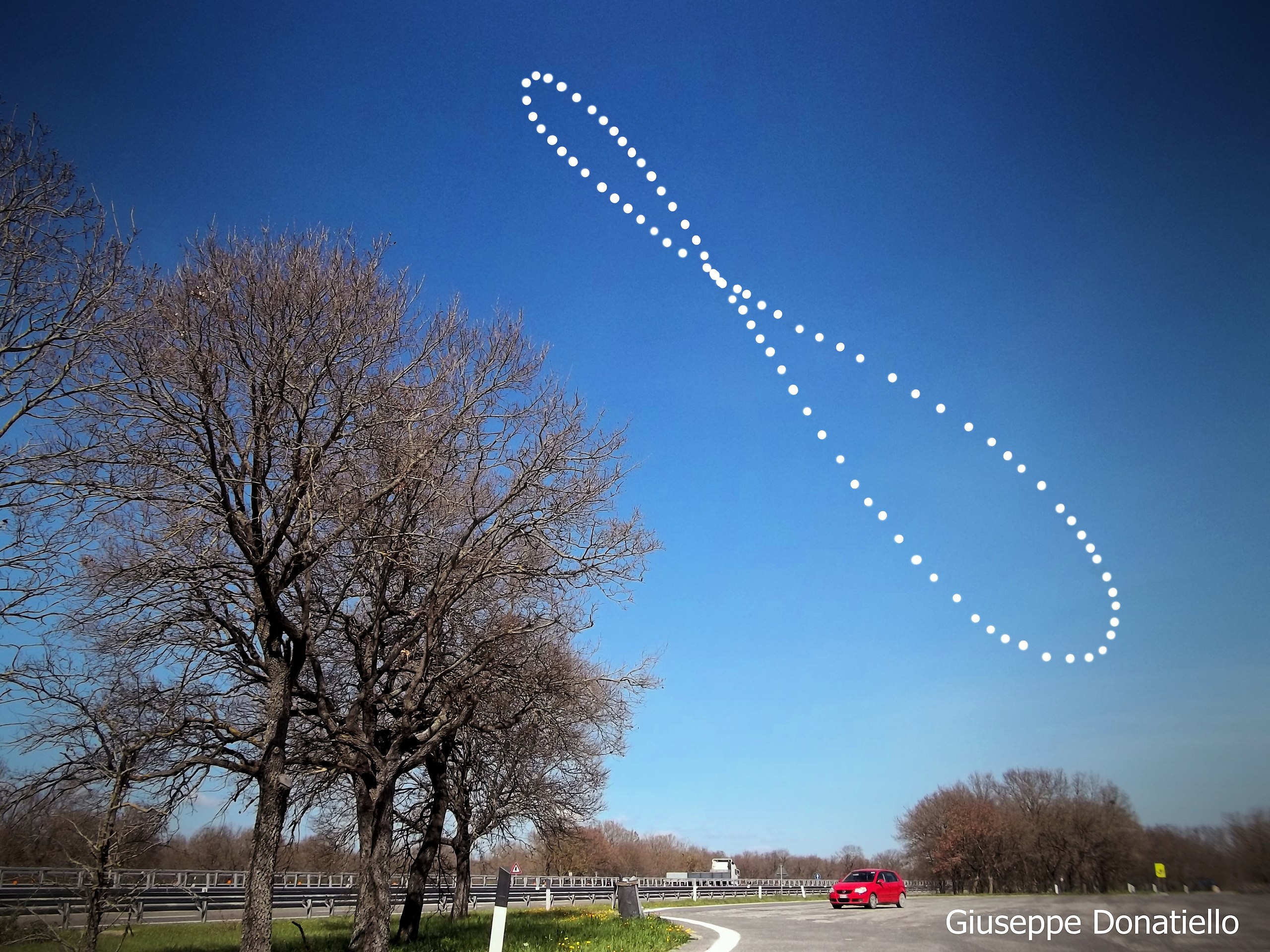
2.) The tips of any analemma you can construct occur on the solstices. If you were to photograph the Sun at the same exact time, every day, for 365 days, you’d find that it traces out a particular shape known as the analemma, which looks like a figure 8 on our world. Defined by both our planet rotating on its tipped axis and our elliptical motion around the Sun, the analemma will rotate throughout the day.

But the uppermost tip of the analemma, if you were to draw an imaginary line down the long axis of it, always occurs at the summer solstice, while the lowest tip occurs at the winter solstice. This is highly related to the pinhole camera picture you saw earlier, but it’s a fun fact that this remains true regardless of the time at which you look at the Sun. So long as you’re consistent from day to day throughout the year, the analemma’s extreme tips will indicate the solstices.
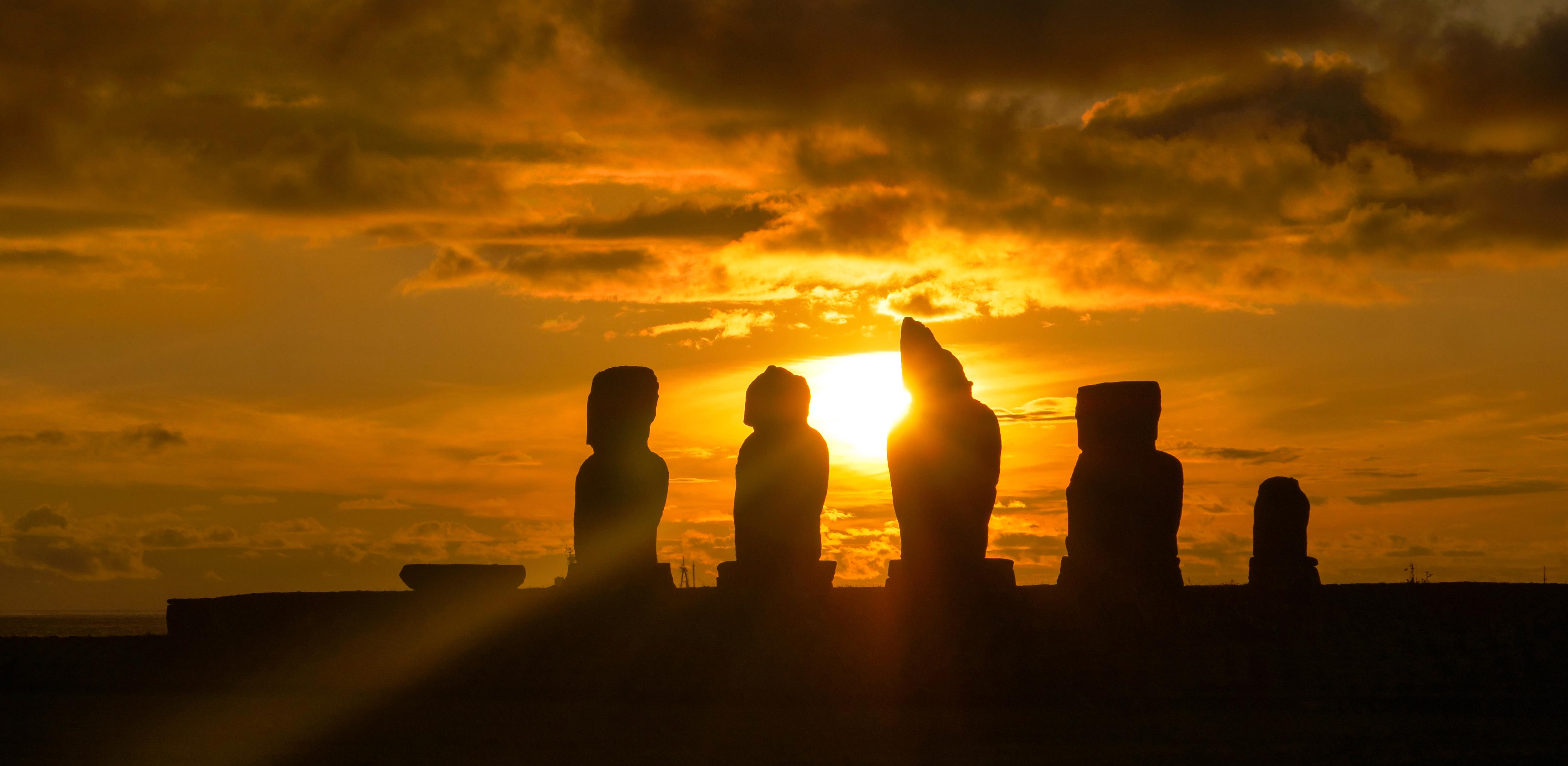
3.) The solstices, despite being the longest and shortest days of the year, do not correspond to the earliest or latest sunrises and sunsets. Since the winter solstice corresponds to the shortest day of the year, with the least amount of sunlight, then you might expect you’d see the latest sunrise and the earliest sunset of the year on that day. Similarly, since the summer solstice is the longest day of the year, you’d be reasonable to expect the earliest sunrise and the latest sunset of the year.
But this isn’t the case for any of these expectations. While the Earth’s axial tilt determines solstice and equinox, the ellipticity of our orbit helps determine the time of earliest sunrise and latest sunset. The naive expectation would only be true if our orbit was a perfect circle. As it stands, the earliest sunrise occurs before the June solstice and the latest sunset occurs after the June solstice. The farther away from the equator you are, the closer these dates will be to the solstice, while the closer to the tropics, it might be as far as two weeks away.
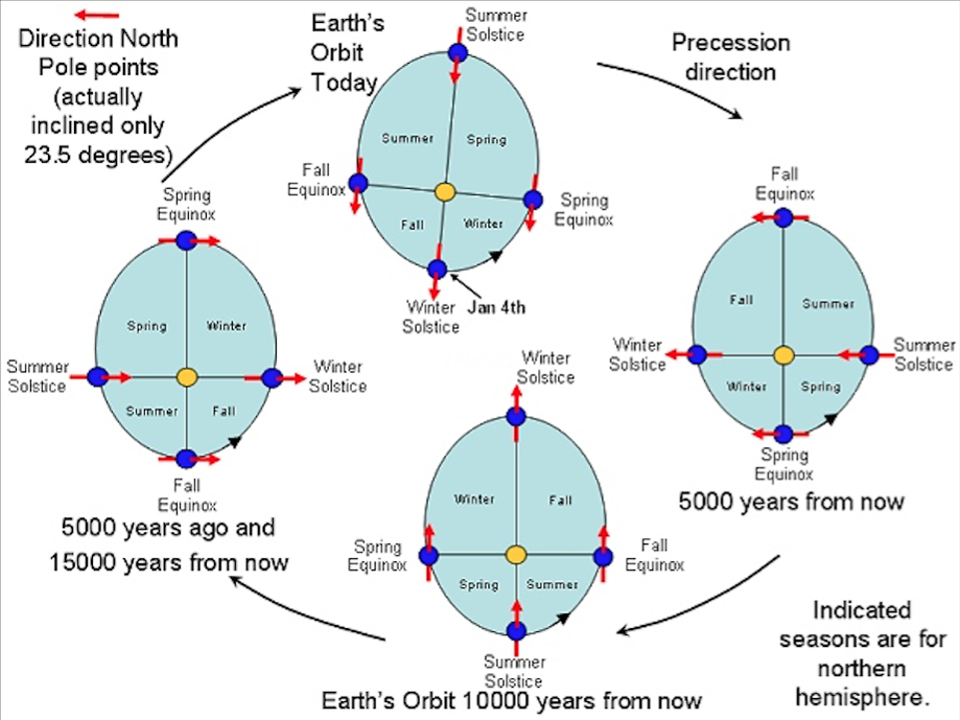
4.) The solstices are unrelated to the planet’s closest approach to or farthest distance from the Sun. You might notice that the December solstice is very close in time to Earth’s perihelion, where it makes its closest approach to the Sun, occurring in early January. Similarly, the June solstice is very close in time to Earth’s aphelion, or its farthest distance from the Sun, occurring on July 4th of this year.
But this is only a coincidence. Earth’s orbit is an ellipse, and this ellipse precesses over time. With a period of about 21,000 years, the winter solstice will line up with perihelion and then move farther away, lining up with aphelion 10,500 years later, and then another 10,500 years on, with perihelion once again. The alignment was perfect 800 years ago, and we won’t have another solstice/perihelion/aphelion alignment for approximately 10,000 years to come.
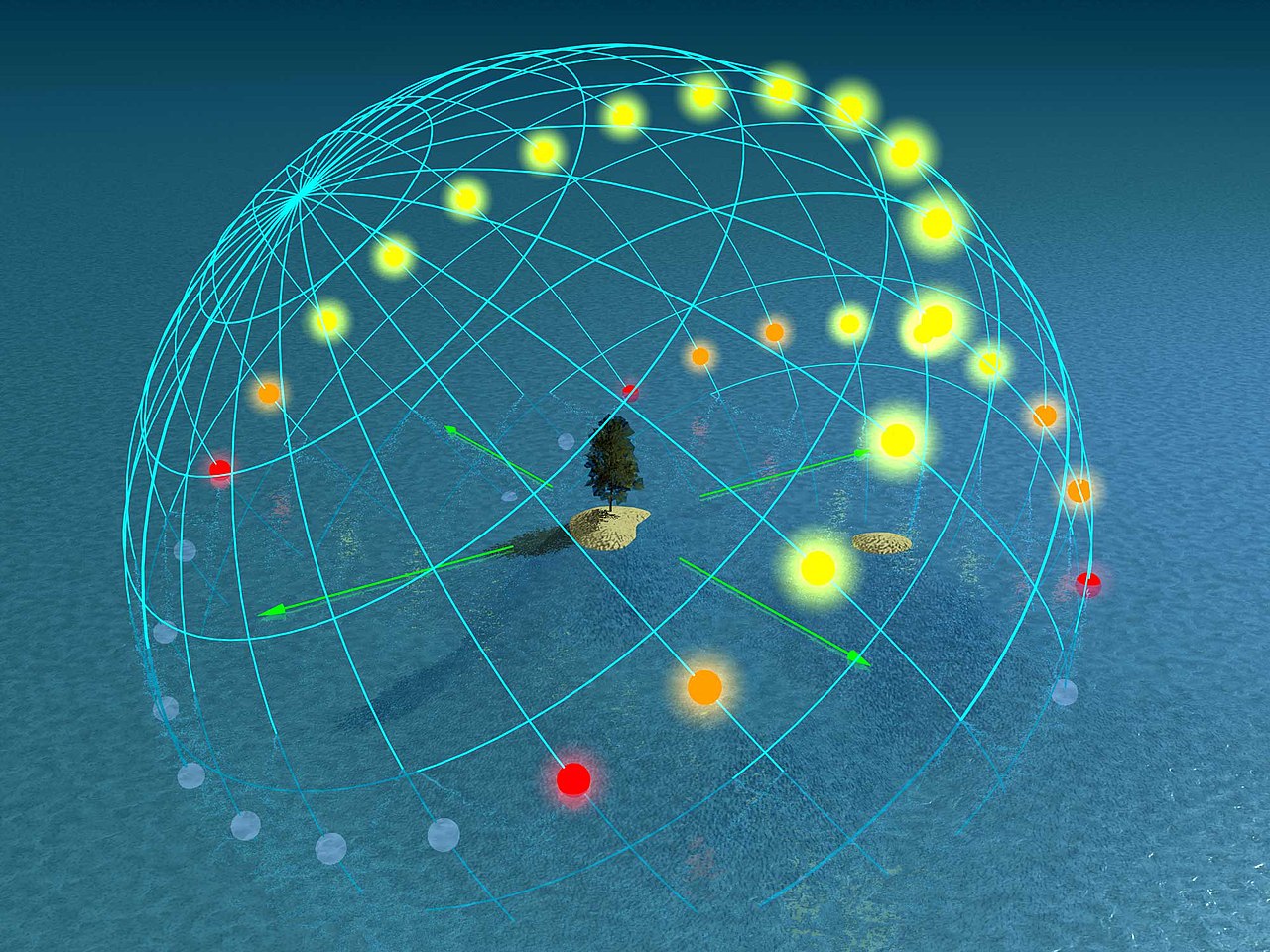
5.) If you live at a higher latitude than the 43rd parallel, the Sun is lower during your winter solstice than it is at the opposite hemisphere’s pole. Are you a fan of Santa Claus, and his apocryphal home at the North Pole? As Santa experiences the summer solstice, the Sun will continuously appear, today, at a height of 23.5° above the horizon. This is higher than the highest angular height above the horizon of any observer south of 43° latitude in the southern hemisphere.
This includes cities like:
- Christchurch and Dunedin in New Zealand;
- Port Arthur, Bruny Island, and Cape Raoul in Tasmania;
- Comodoro Rivadavia, the Falkland Islands, and Santa Cruz province in Argentina,
- about the southernmost third of Chile,
plus the entire continent of Antarctica.
In December, the situation is fully reversed, where inhabitants of Budapest, Paris, London, Seattle, Toronto, Sapporo, Ulaanbaatar, and Moscow will never see the Sun rise as high, on the date of the winter solstice, as an observer at the South Pole would see the Sun at throughout the entirety of the day.

6.) Observers within the Arctic/Antarctic circle on the solstice will either see 0 or 24 hours of sunlight. Because our Earth is tilted on its axis at 23.5°, anyone living at a latitude higher than 66.5° (because 90° — 23.5° = 66.5°) will either never have the Sun rise above the horizon (during the winter solstice) or set below the horizon (during the summer solstice).
This is at its least extreme at the border of the Arctic/Antarctic circles themselves, where the Sun almost appears to rise/set and then dips a full 23.5° above or below the horizon 12 hours later. But at the north or south poles, you’ll receive 6 consecutive months of night followed by 6 consecutive months of sunlight. Things switch only on the equinoxes: the mid-way point between the two solstices.
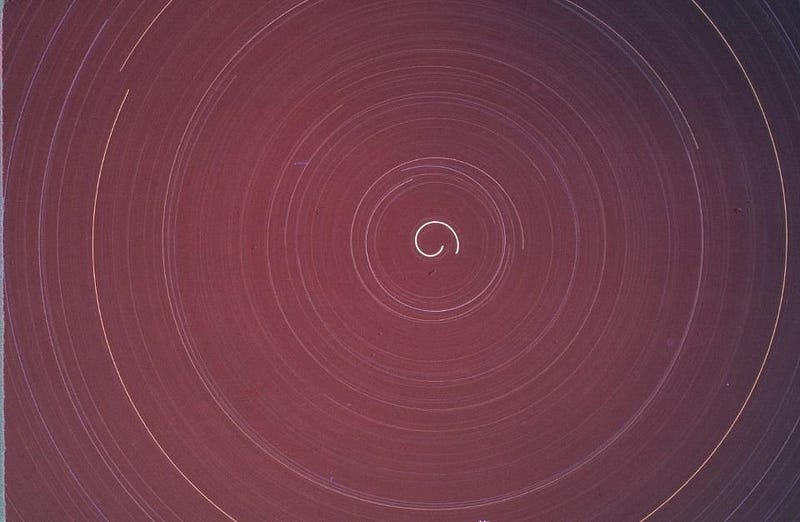
7.) The solstices mark the most favorable time for taking the first-ever 360° star trail photo. The Earth rotates on its axis once every 24 hours, and the Sun has to be about 12° to 18° below the horizon in order for the sky to darken enough to reveal a substantial number of stars. If you’re close enough to the appropriate pole (north or south) during the winter solstice, and your skies are clear, you just might get a continuous 24 hour view of the stars.
This would enable a lucky observer to complete what’s known as Lewin’s Challenge, which is the endeavor to photograph (with no tricks) a set of complete, 360° star trails. Technically, an observer at the South Pole has about 5 weeks on either side of the solstice to try to accomplish this. Clear skies at (or near) the poles during winter are rare, but if you’re already at the poles, you owe it to yourself to try!
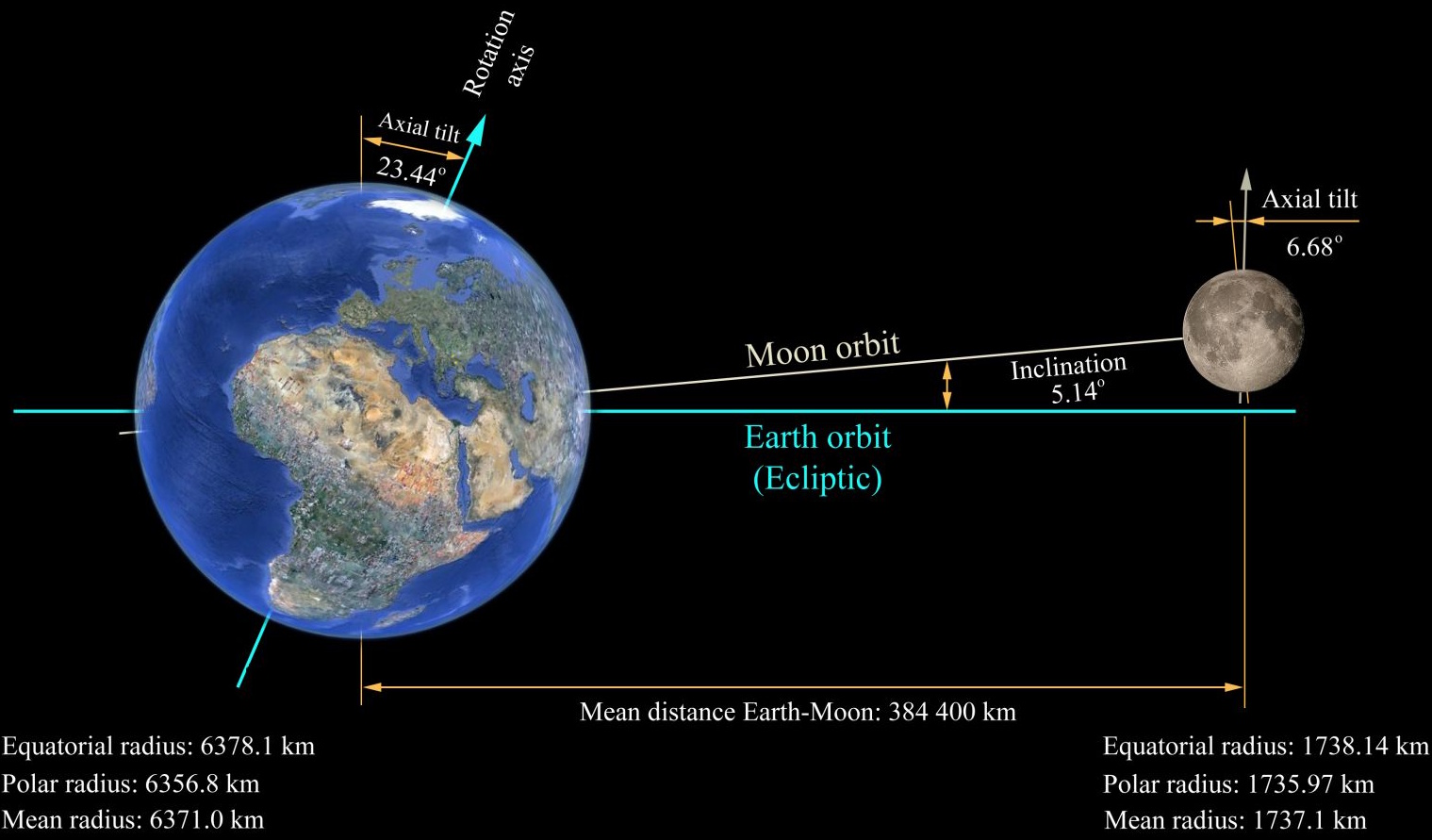
8.) The full Moon closest to the solstice will trace the maximally opposite path of the Sun. When the Earth’s axis is maximally tilted toward the Sun and the Moon is full — as in, on the other side of the Earth from the Sun — that means the Earth’s axis will be maximally tilted away from the Moon. To within a variance of just 5 degrees, Earth-Moon orbital plane’s inclination, the time when the Sun appears to carve its highest path through the sky, the full Moon is carving its lowest path through the sky.
The exact opposite is true during the winter solstice: the Earth’s axis is maximally tilted toward the full Moon and away from the Sun. If you caught the most recent full Moon on December 4, 2025, it marked the highest full Moon of the year for observers north of the equator, while it marked the lowest full Moon of the year for southern hemisphere observers. If you come back for the full Moon of June 29, 2026, you’ll catch the same phenomenon at play, except for opposite hemispheres.
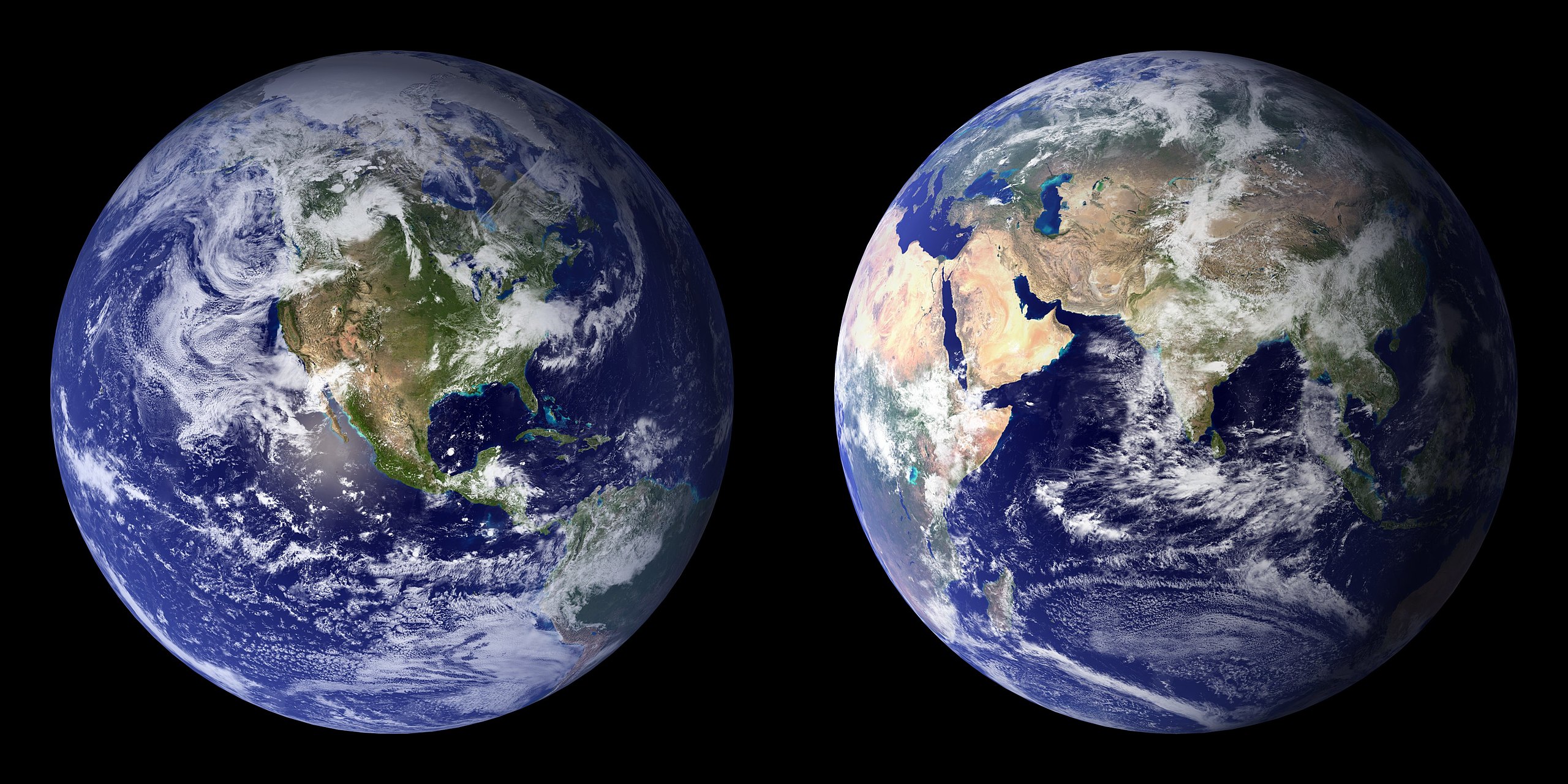
9.) The solstices are neither the hottest nor coldest days of the year. This one is actually very specific to Earth: the hottest times of the year typically correspond to approximately 6 weeks after the summer solstice, and the coldest are approximately 6 weeks after the winter solstice. Other planets don’t have this same phenomenon for one very important reason: they don’t have the majority of their surfaces covered in liquid water.
The oceans themselves, being composed of large quantities of water and containing approximately 1,000 times the mass of Earth’s atmospheres, contain a tremendous amount of heat, and are slow to change their temperatures. We might receive more (or less) energy from the Sun on the summer (or winter) solstices, but the oceans require time to heat up or cool down. Global average temperature extremes, therefore, usually occur in early August and February, rather than at the June and December solstices.
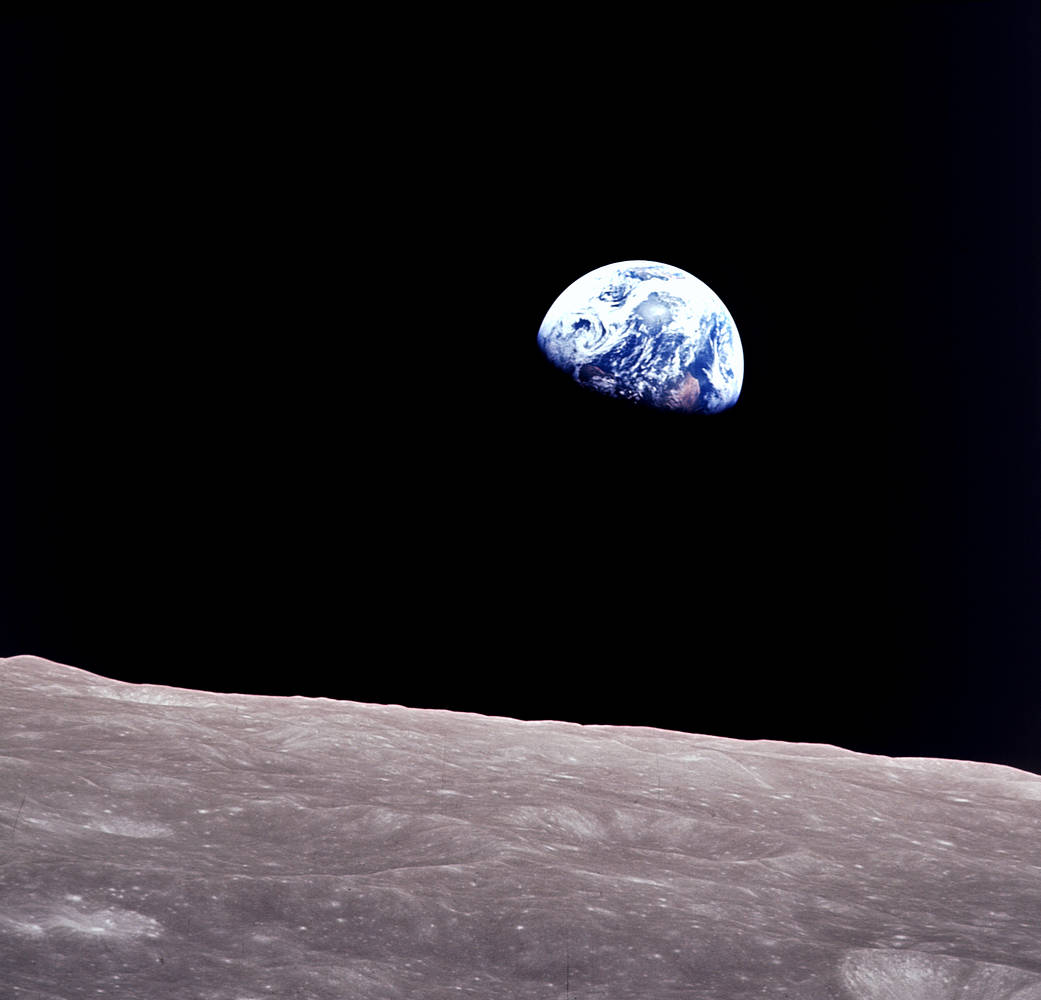
10.) The June and December solstices mark two incredible milestones in space exploration. On the December solstice, the Apollo 8 mission, the first crewed mission to reach and orbit the Moon, was launched in 1968. Frank Borman, Jim Lovell, and Bill Anders became the first humans to view Earth from such a great distance, beginning their journey away from our planet on the darkest evening of the year. Three days later, they plunged behind the Moon, rendering both the Sun and the Earth invisible for a few hours. When the Sun and then the Earth re-emerged over the limb of the Moon, they saw the breathtaking sight you see above: a photo now simply known as “Earthrise.”
Meanwhile, in 2004, SpaceShipOne completed its maiden suborbital space flight on the summer solstice: June 21. This year, therefore, marked the 21st anniversary of the unofficial start of the era of commercial spaceflight.
Enjoy the solstice however you see fit, and as you do, try to remember this: whether you’re bathed in the longest day or the longest night of the year, there are some things that we all have in common and can bring us all together. The story of where we are and how we came to be here — on Earth, in the Solar System and in the Universe — just might be the most omnipresent of them all.
A version of this article was first published in June of 2019. It was updated in December of 2025.

The Energy Transition