




Search

Our mission is to answer the biggest questions of all, scientifically.
What is the Universe made of? How did it become the way it is today? Where did everything come from? What is the ultimate fate of the cosmos?
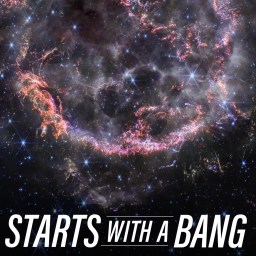
For most of human history, these questions had no clear answers. Today, they do. Starts With a Bang, written by Dr. Ethan Siegel, explores what we know about the universe and how we came to know it, bringing the latest discoveries in cosmology and astrophysics directly to you.
Read Less
with
Full Profile
Ethan Siegel is an award-winning PhD astrophysicist and the author of four books, including The Grand Cosmic Story, published by National Geographic.

Protected: Ask Ethan: Could evolving dark energy lead to a Big Crunch?
There is no excerpt because this is a protected post.
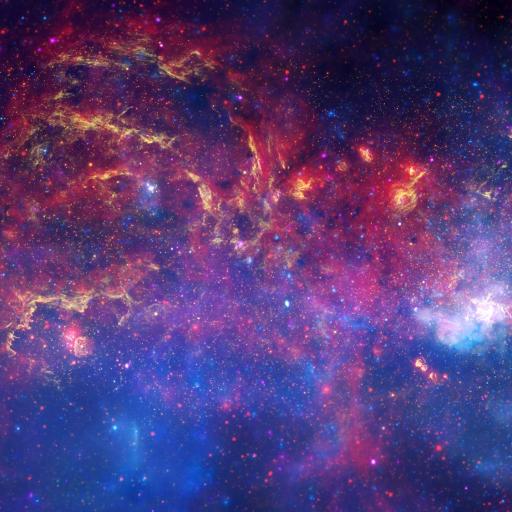
NASA's space telescopes and observatories bring humanity unrivaled science images and scientific discoveries. Here's what should be next.
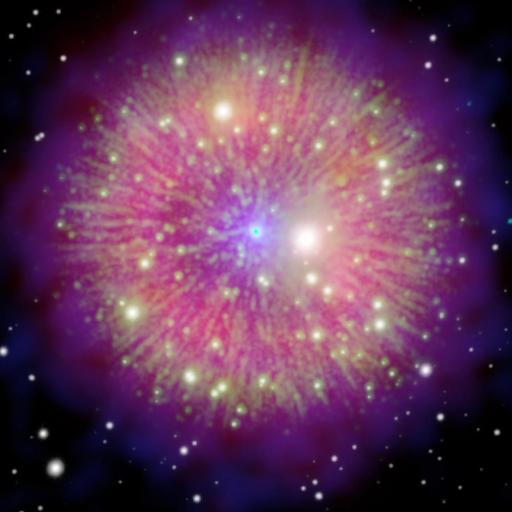
In the year 1181, a "guest star" was recorded in the constellation of Cassiopeia. Its modern supernova remnant is weirder than we imagined.
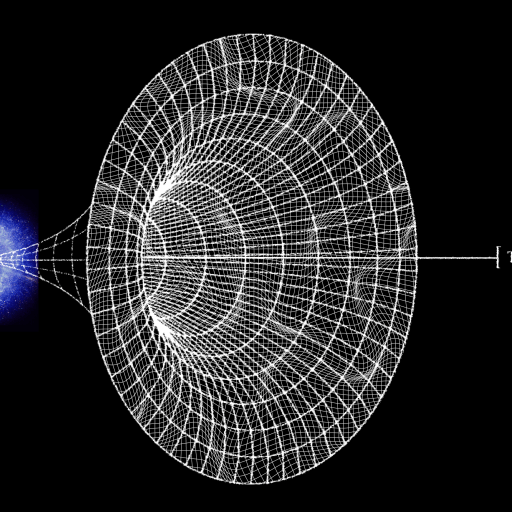
Almost everyone asserts that the Big Bang was the beginning of everything, followed by inflation. Has everyone gotten the order wrong?
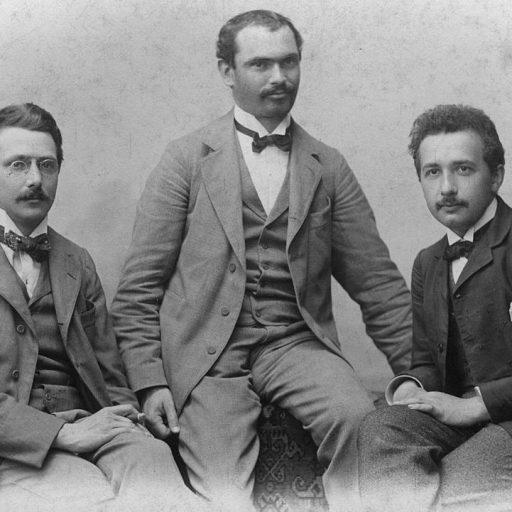
Many mavericks look to Einstein as a unique figure, whose lone genius revolutionized the Universe. The big problem? It isn't true.
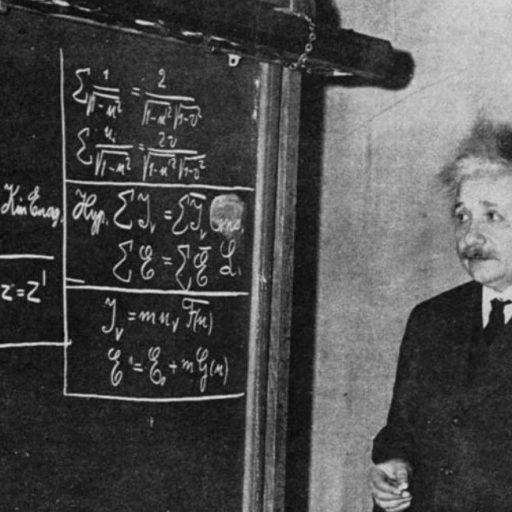
Beyond stars, galaxies, and gravity, studying the fundamental workings of nature reveals widely applicable lessons for learners everywhere.
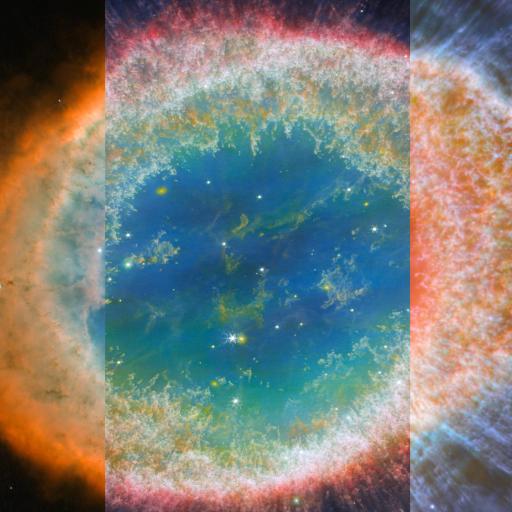
More than two years after JWST began science operations, our Universe now looks very different. Here are its biggest science contributions.
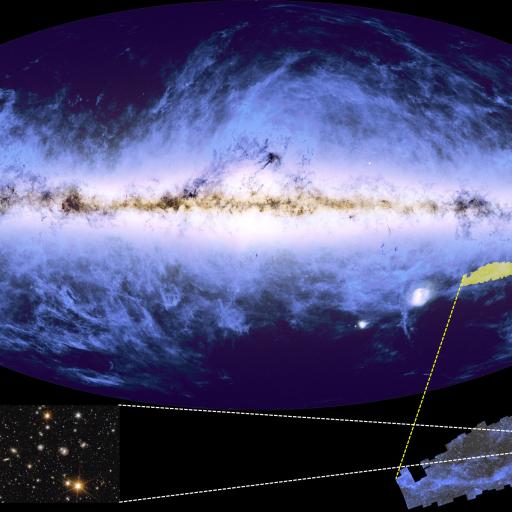
What are dark matter and dark energy? The large-scale structure of the cosmos encodes them both, with ESA's Euclid mission leading the way.