

Search

Our mission is to answer the biggest questions of all, scientifically.
What is the Universe made of? How did it become the way it is today? Where did everything come from? What is the ultimate fate of the cosmos?
For most of human history, these questions had no clear answers. Today, they do. Starts With a Bang, written by Dr. Ethan Siegel, explores what we know about the universe and how we came to know it, bringing the latest discoveries in cosmology and astrophysics directly to you.
Read Less
with
Full Profile
Ethan Siegel is an award-winning PhD astrophysicist and the author of four books, including The Grand Cosmic Story, published by National Geographic.
Protected: Ask Ethan: Could evolving dark energy lead to a Big Crunch?
There is no excerpt because this is a protected post.

Artificial intelligence is much more than image generation and smart-sounding chatbots; it's also a Nobel-worthy endeavor rooted in physics!

National Geographic's first James Webb Space Telescope book shows us the cosmos like never before.
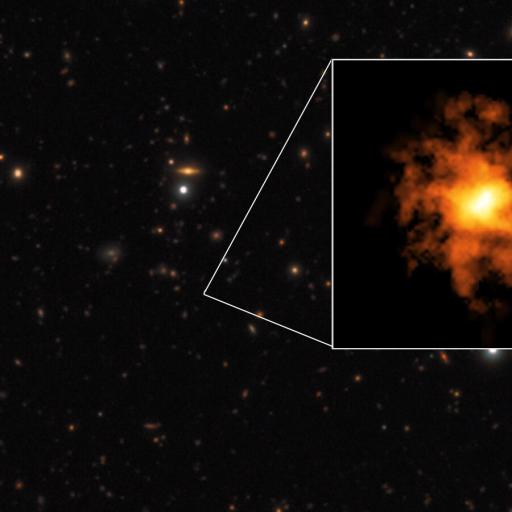
The earliest Milky Way-like galaxy, REBELS-25, was spotted rotating about its axis. It's only 700 million years old: 5% of our present age.
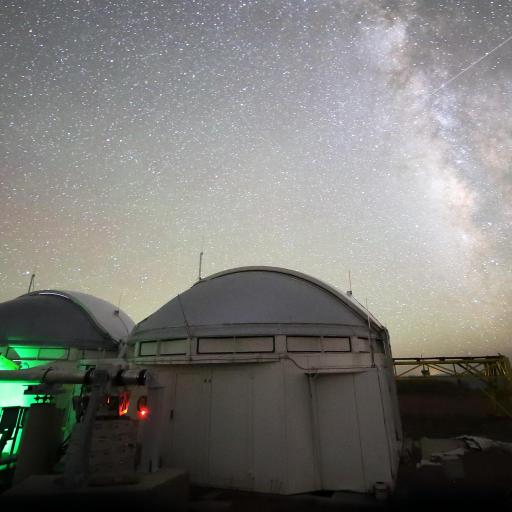
Interferometry gave us a black hole's event horizon, but that was in the radio. What can we accomplish with a new optical interferometer?

Today, the deepest depths of intergalactic space aren't at absolute zero, but at a chill 2.73 K. How does that temperature change over time?
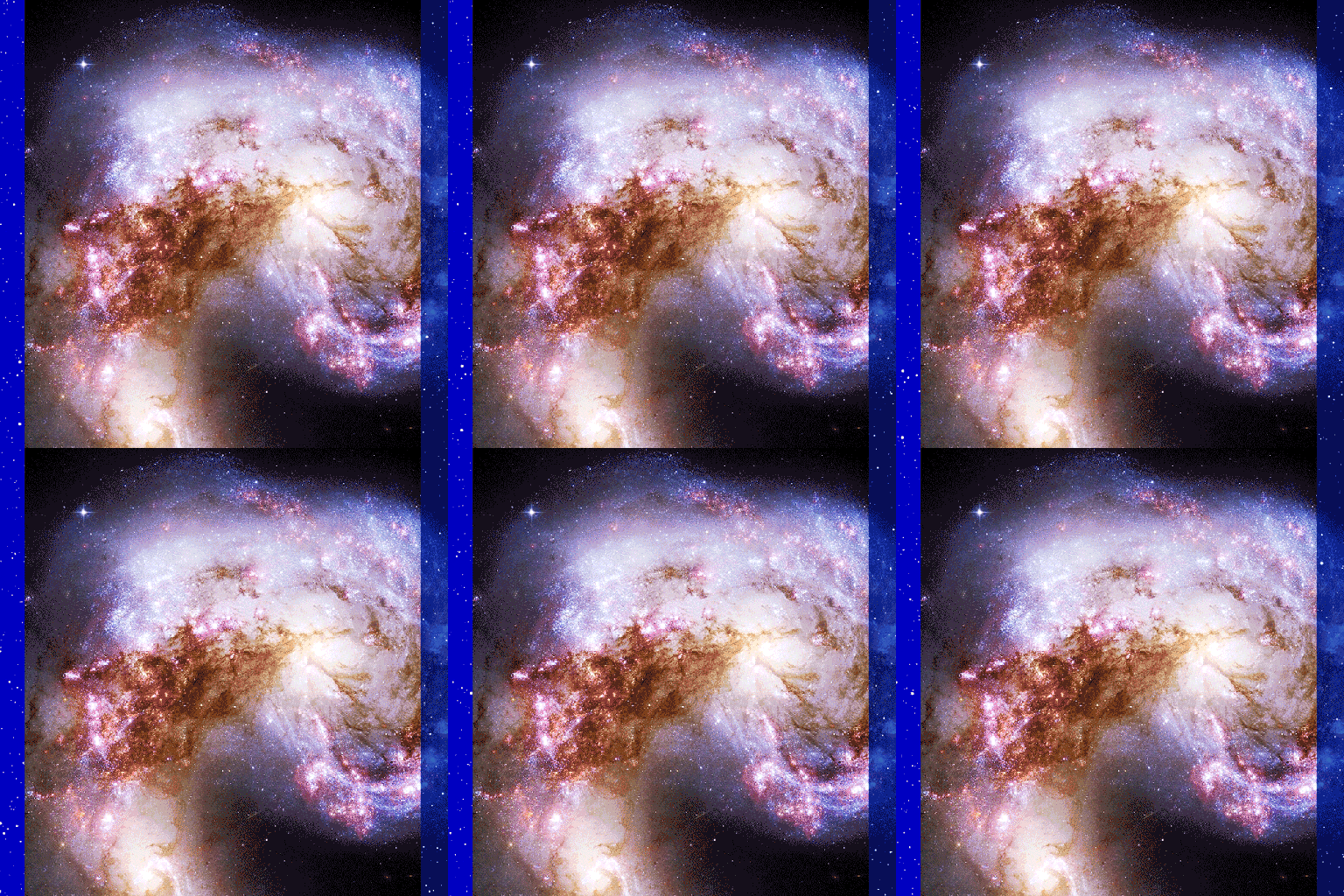
The Universe has been creating stars for nearly all 13.8 billion years of its history. But those photons can't match the Big Bang's light.
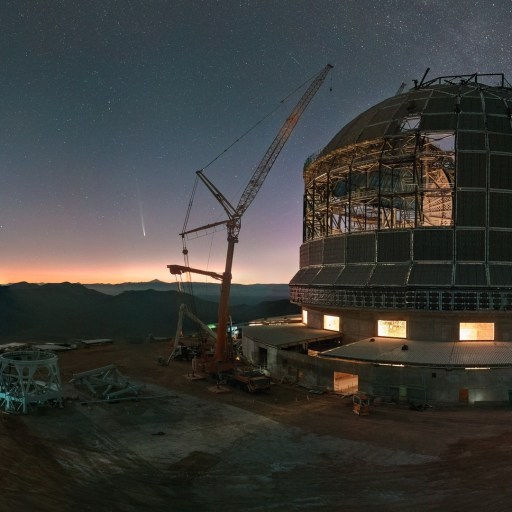
Comet A3, also known as Comet Tsuchinshan-ATLAS, has sprung to life since 2024's last equinox. Here's how to catch the show for yourself.