





Search

Our mission is to answer the biggest questions of all, scientifically.
What is the Universe made of? How did it become the way it is today? Where did everything come from? What is the ultimate fate of the cosmos?
For most of human history, these questions had no clear answers. Today, they do. Starts With a Bang, written by Dr. Ethan Siegel, explores what we know about the universe and how we came to know it, bringing the latest discoveries in cosmology and astrophysics directly to you.
Read Less
with
Full Profile
Ethan Siegel is an award-winning PhD astrophysicist and the author of four books, including The Grand Cosmic Story, published by National Geographic.

Protected: Ask Ethan: Could evolving dark energy lead to a Big Crunch?
There is no excerpt because this is a protected post.

The most common visual depictions of the history of the Universe show the Big Bang as a growing tube with an "ignition" point. Why is that?
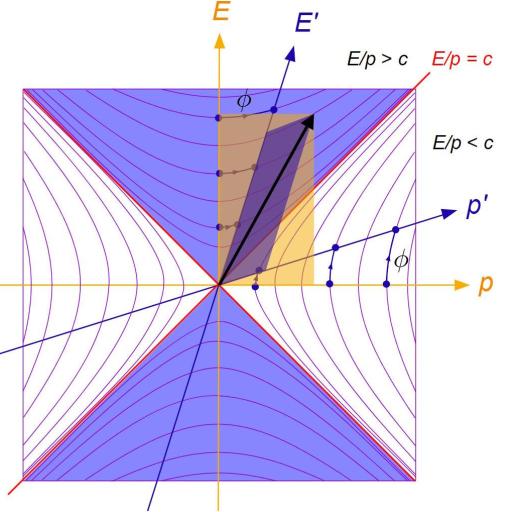
The fabric of spacetime is four-dimensional, with three for space and only one for time. But wow, time sure is different from space!
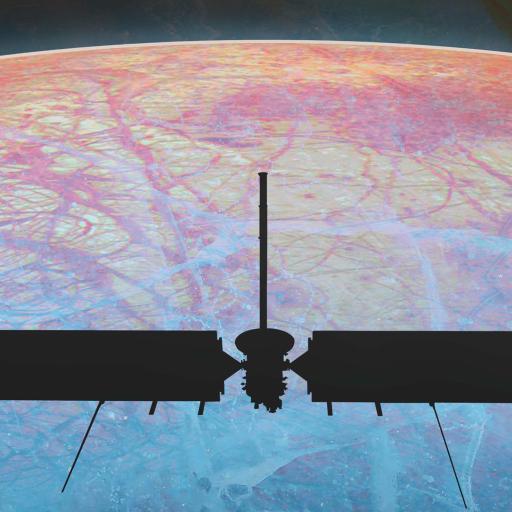
Could life be widespread throughout the cosmos, in the subsurface oceans of ice-covered worlds? NASA's Europa Clipper mission investigates.
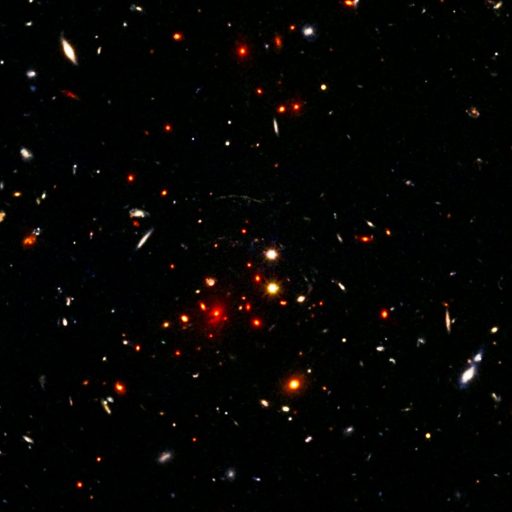
An in-depth interview with astronomer Kelsey Johnson, whose new book, Into the Unknown, explores what remains unknown about the Universe.

There are a number of factors to consider when choosing where to build a telescope. These 3 locations, on their merits, surpass all others.
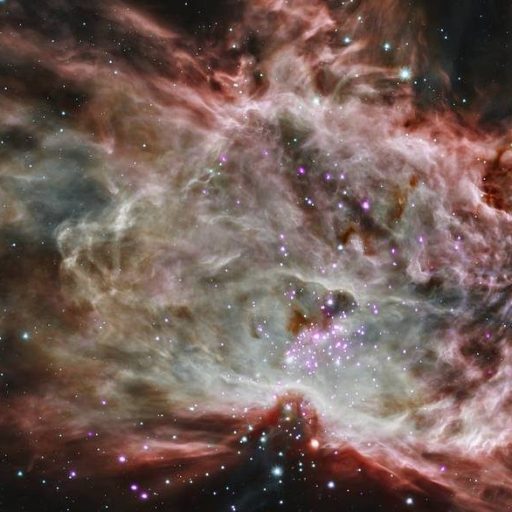
The Universe changes remarkably over time, with some entities surviving and others simply decaying away. Is this cosmic evolution at work?

Black holes encode information on their surfaces, but evaporate away into Hawking radiation. Is that information preserved, and if so, how?