











Search

Our mission is to answer the biggest questions of all, scientifically.
What is the Universe made of? How did it become the way it is today? Where did everything come from? What is the ultimate fate of the cosmos?
For most of human history, these questions had no clear answers. Today, they do. Starts With a Bang, written by Dr. Ethan Siegel, explores what we know about the universe and how we came to know it, bringing the latest discoveries in cosmology and astrophysics directly to you.
Read Less
with
Full Profile
Ethan Siegel is an award-winning PhD astrophysicist and the author of four books, including The Grand Cosmic Story, published by National Geographic.

Protected: Ask Ethan: Could evolving dark energy lead to a Big Crunch?
There is no excerpt because this is a protected post.

In theory, dark matter is cold, collisionless, and only interacts via gravity. What we see in ultra-diffuse galaxies indicates otherwise.
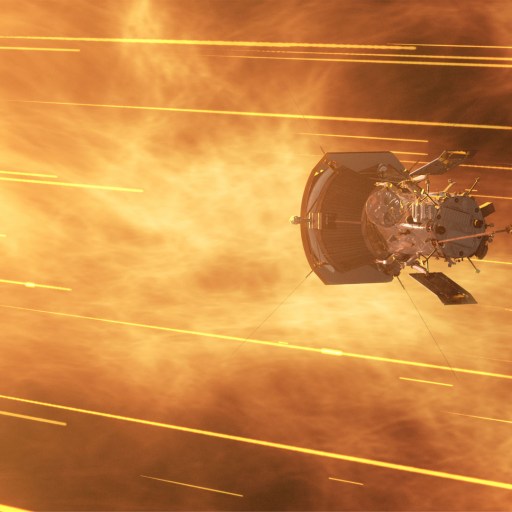
The Parker Solar Probe is about to undergo its seventh encounter with Venus on its journey toward the Sun. Here's how fast it'll go.
In all directions, at great distances, the Universe looks younger, more uniform, and less evolved. Does that mean Earth must be the center?
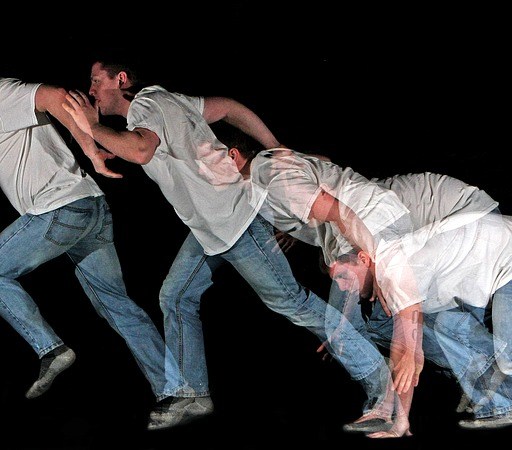
Time is relative, not absolute, as gravity and motion both cause time to dilate. Your head and feet, therefore, don't age at the same rate.

Despite many ultra-distant galaxy candidates found with JWST, we still haven't seen anything from the Universe's first 250 million years.
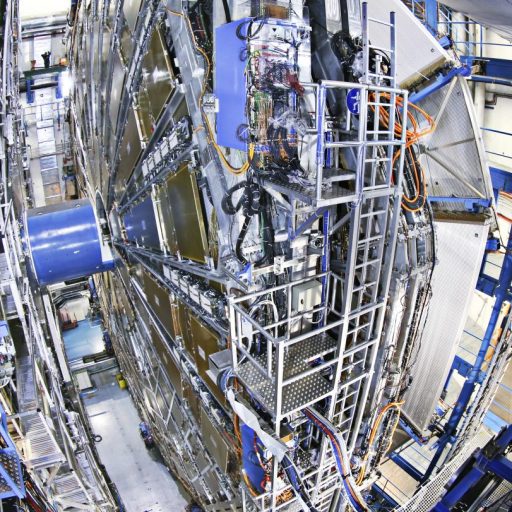
LHC scientists just showed that spooky quantum entanglement applies to the highest-energy, shortest-lived particles of all: top quarks.
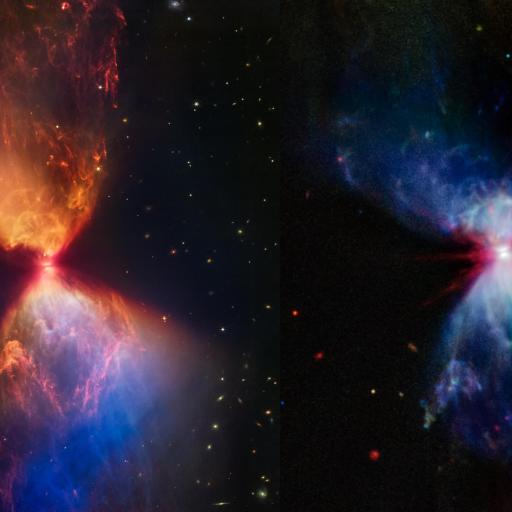
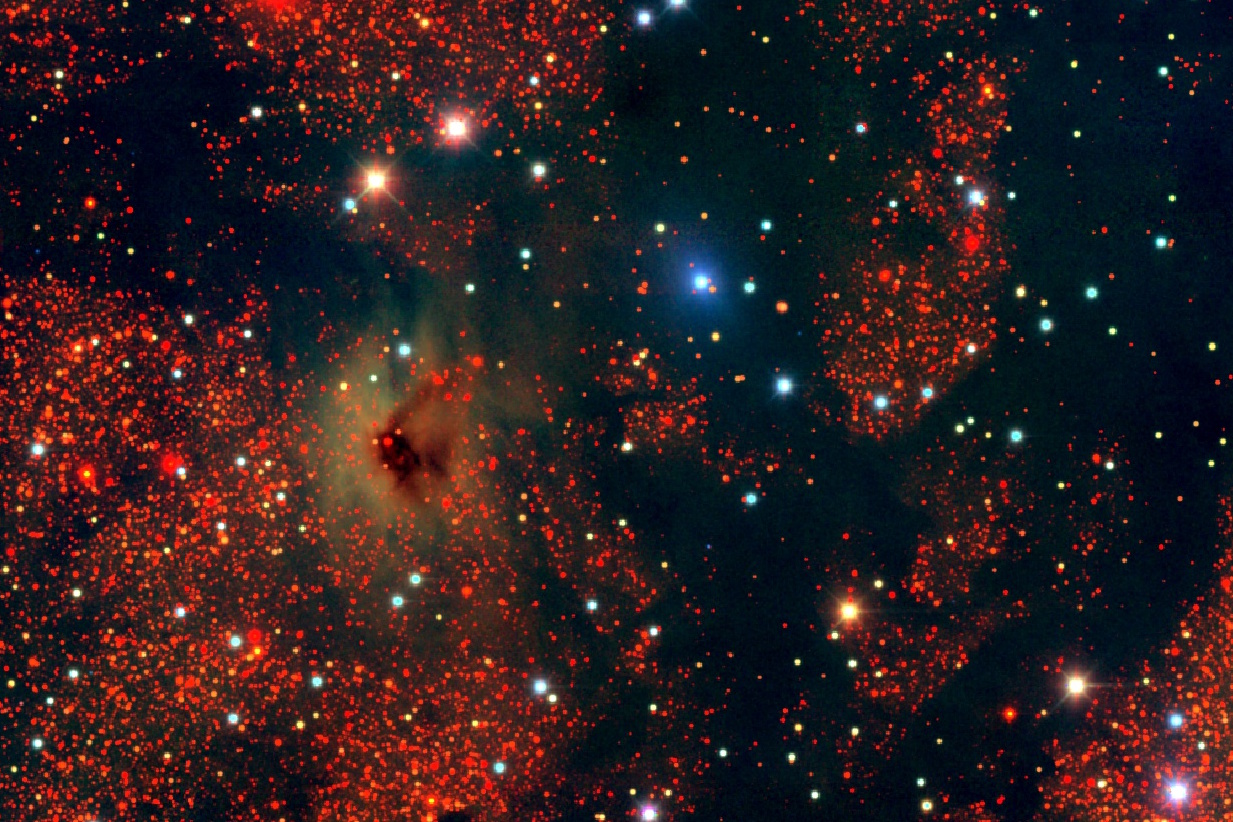
Just 460 light-years away, the closest newborn protostars are forming in the Taurus molecular cloud. Here are JWST's astonishing insights.