




















Search


6mins
There’s bad failure — the kind we ignore or hide — and good failure, which becomes data for future progress. Three experts discuss how to tell the difference.
Unlikely Collaborators
11mins
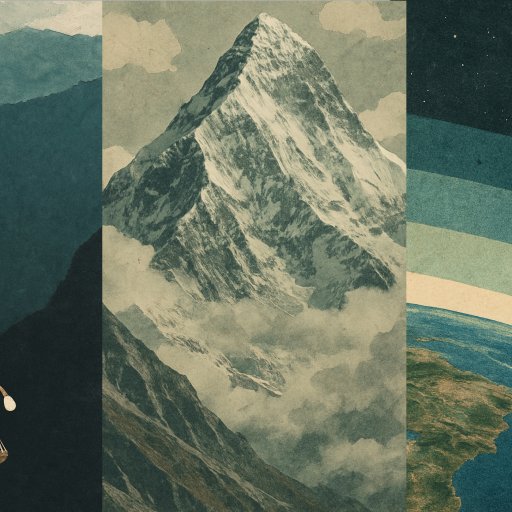
Having explored the Mariana Trench, the summit of Everest, and the edge of space, Victor Vescovo knows what awe feels like in its most dramatic forms. What surprised him most was how often that same feeling appears in everyday life.
2mins
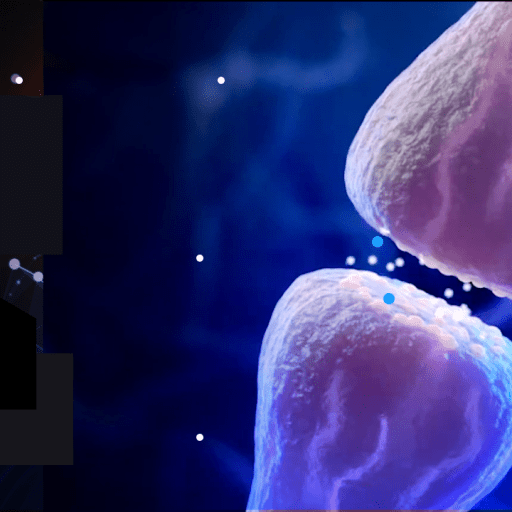
Our brains weren’t built for the amount of info we deal with now. That’s why scientists have made the case for a “second brain” — a place to dump ideas so you can actually see how they connect later.
Unlikely Collaborators
12mins
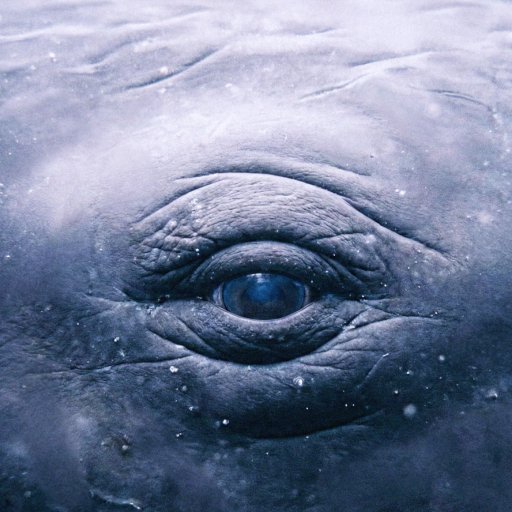
Ninety million years after our lineages split, humans are beginning to listen to whales in a new way. Marine biologist David Gruber shares the work that has become his life’s pursuit: learning how to hear the planet’s largest mammals.

15mins
“Until very recently, I thought I would die with the same genome that I was born with.”

55mins
“Old systems of the past are collapsing, and new systems of the future are still to be born. I call this moment the great progression.”

1hr 42mins
“Why would adding shame and blame help me improve my behavior?”

8mins
“I've started to think about three puzzles we need to solve for as we bring these technologies into our organizations.”

2hr 9mins
“Psychedelics crosscut so many interesting domains. They've been used for time immemorial by indigenous cultures. In our own Western cultural history, they really exploded on the scene in the 1960s, and were associated with radical changes to society.”

13mins
Everything ever seen — every star, mountain, and face — makes up less than 5 percent of the universe. Astrophysicist Janna Levin reminds us that the rest — dark matter and dark energy — is invisible, mysterious, and everywhere. We are the luminous exception in a universe of darkness.

57mins
“What's really interesting about neural networks is the way that they think or the way that they operate is a lot like human intuition”

1hr 26mins
Instead of treating belief as a private preference, philosopher Alex O’Connor examines how our moral positions shape institutions, obligations, and the ways we justify our choices.

10mins
Reflecting on the final moments she spent with her mother, and the weeks afterwards spent cataloging her life in objects and memories, Poet Laureate of the Ordinary Kelly Corrigan shares how important it is to attune, to behold, and to notice — even if it’s difficult or uncomfortable:
2mins
From science to philosophy, three perspectives explore why humans can’t stop asking “why.” Our search for purpose, they suggest, is less about finding answers and more about learning how to move forward.
Unlikely Collaborators

41mins
“Progress happens when we choose to make it happen. It happens through choice and effort. And ultimately, to make progress happen, we have to believe in it.”

13mins
“People got skeptical, fearful, doubtful of the very idea of progress in the 20th century and we allowed that to slow down progress itself.”

1hr 24mins
“There are at least three very much interrelated misconceptions about trauma right now.”

8mins
“The purpose of a coach is to not be the one to set the goals, but instead to say, "Here are the kinds of goals we can work our way through.””
3mins
The brain is an “illusion factory.” Here’s what that means for our perception of time.
Unlikely Collaborators

13mins
“Chance invents and natural selection propagates that chance invention.”