




















Search
Mind & Behavior
Study the science of how we think, feel, and act, with insights that help you better understand yourself and others.

What 158 L&D leaders told us about the future of leadership development.

Welcome to The Nightcrawler — a weekly newsletter from Eric Markowitz covering tech, innovation, and long-term thinking.

Rituals serve psychological functions that go far beyond mere habit or tradition.

As we crank up our search for more powerful AI, maybe we should slow down and reimagine the shape and language of intelligence itself.
2mins
Our brains weren’t built for the amount of info we deal with now. That’s why scientists have made the case for a “second brain” — a place to dump ideas so you can actually see how they connect later.
Unlikely Collaborators
12mins
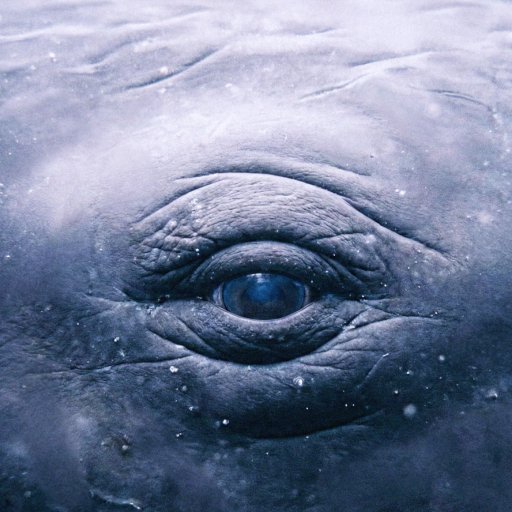
Ninety million years after our lineages split, humans are beginning to listen to whales in a new way. Marine biologist David Gruber shares the work that has become his life’s pursuit: learning how to hear the planet’s largest mammals.

In this excerpt from "The Hypocrisy Trap," Michael Hallsworth explains why accusations of hypocrisy don’t always damage credibility.

Conversations about an imminent "AI bubble" tend to miss the big picture.

Joe Nucci, author of "Psychobabble," joins us to discuss how the misuse of psychological language risks blurring the lines between everyday problems and clinical diagnoses.

Be weird and esoteric because humans are weird and esoteric.

1hr 42mins
“Why would adding shame and blame help me improve my behavior?”

2hr 9mins
“Psychedelics crosscut so many interesting domains. They've been used for time immemorial by indigenous cultures. In our own Western cultural history, they really exploded on the scene in the 1960s, and were associated with radical changes to society.”

Welcome to The Nightcrawler — a weekly newsletter from Eric Markowitz covering tech, innovation, and long-term thinking.

The technology might be much closer than you'd think.

These expert-recommended books reveal how big ideas can shape — and sometimes redefine — human progress.

One of the many reasons I love my job is that, on any given week, I get to talk with a dozen or so smart, thoughtful L&D leaders to hear […]

10mins
Reflecting on the final moments she spent with her mother, and the weeks afterwards spent cataloging her life in objects and memories, Poet Laureate of the Ordinary Kelly Corrigan shares how important it is to attune, to behold, and to notice — even if it’s difficult or uncomfortable:
2mins
From science to philosophy, three perspectives explore why humans can’t stop asking “why.” Our search for purpose, they suggest, is less about finding answers and more about learning how to move forward.
Unlikely Collaborators

When a word comes to mean everything, it means nothing.

In a world of fast answers, leadership shaped by suffering is radical — and transformative.