




















Search
Mind and Behavior
6mins
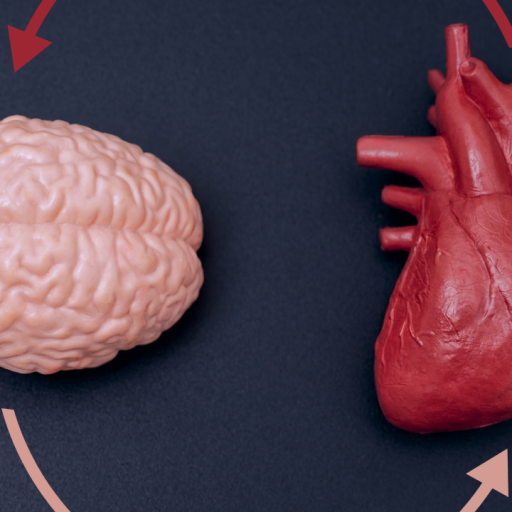
You've heard of the mind-body connection. But have you ever actually tried to understand your own? Three scientists break down the feedback loop running your brain and body — and what becomes possible when you learn to use it.
Unlikely Collaborators

52mins
Brad Stulberg breaks down the biology, philosophy, and psychology behind genuine excellence and how to reach it.

1hr 7mins
Members
Neuroscientist David Linden sheds light on the biology behind phenomena that medicine has long struggled to explain, from voodoo death and broken heart syndrome to the placebo effect, and why grief shows up in autopsy results

4mins
Americans believe they can outthink suffering. Historian Kate Bowler explains how our obsession with self-help, optimization, and positivity became a kind of secular religion.

7mins
Jim Al-Khalili explains how the past and future are more fluid than we may think.

18mins
Abigail Marsh unpacks what defines psychopathy, how it differs from antisocial behavior, and why terms like “sociopath” only add confusion.

19mins
"I call it a tyranny of attention because there's so many demands on our attention coming from so many different directions that we are simply overwhelmed and we don't have the mental bandwidth to cope with it."

3mins
Toxic positivity isn’t optimism. It’s denial. Historian Kate Bowler explains why our obsession with “good vibes only” is making it harder to cope.

6mins
Happiness collapses the moment hardship arrives. Joy doesn’t. Historian Kate Bowler explains why joy can coexist with pain — and why that makes it a stronger, more fulfilling emotion.

22mins
"Rationalism is the idea that, in order to truly know something, you have to be able to describe it explicitly."

53mins
Members
“Our conscious awareness is everything. And the fact that it's still so mysterious to scientists and to all of humanity, the fact that it's still one of the great unsolved mysteries makes it something that everyone can be excited about and that inspires awe in everyone.”

8mins
"The thing that the nihilist recognizes is that the values he or she holds are not grounded in anything other than their own preferences."

1hr 23mins
Why social media is the perfect recipe for kids to become addicted to their smartphones.

18mins
"It's this modern idea of doing voluntary discretionary, physical activity for the sake of health and fitness."

7mins
Members
We tend to trust our intuitions about consciousness because they feel immediate and personal, but feeling convinced is not the same as being right. Annaka Harris explores what happens when […]

1hr 51mins
Stoicism has been flattened into slogans about toughness, detachment, and emotional silence, a version that’s easy to sell, but mostly wrong. Massimo Pigliucci returns Stoicism to its original purpose: a […]

25mins
"I continue to believe that in the long run, boys, young men will believe their eyes more than their ears."

22mins
"It's much better to try to understand how the world works and then act accordingly. Rather than trying to impose on the world the way we want to think or the way we preferred things to be."

16mins
"Being connected to another person makes us feel safer and keeps our bodies at a kind of physiologic equilibrium that promotes health."

7mins
Members
“The problem with cognitive scripts is when we use them to make more important decisions in our lives, we let our choices be driven by those stories that we have internalized that tell us how we're supposed to behave in a certain situation.”
19mins
David S. Goyer explains how paying attention to mystery, and not brushing it aside, became the foundation for the way he builds stories, characters, and worlds.

6mins
There’s bad failure — the kind we ignore or hide — and good failure, which becomes data for future progress. Three experts discuss how to tell the difference.
Unlikely Collaborators
2mins
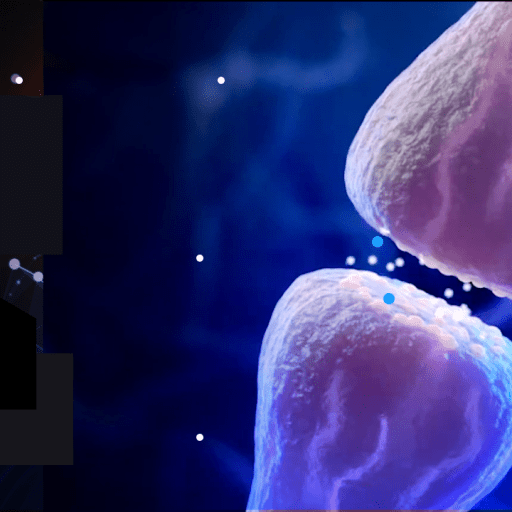
Our brains weren’t built for the amount of info we deal with now. That’s why scientists have made the case for a “second brain” — a place to dump ideas so you can actually see how they connect later.
Unlikely Collaborators
12mins
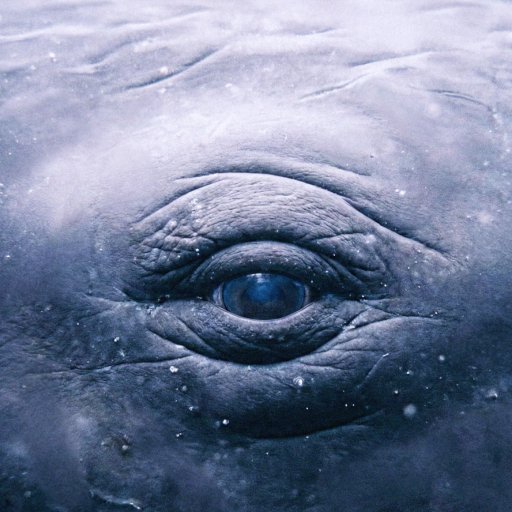
Ninety million years after our lineages split, humans are beginning to listen to whales in a new way. Marine biologist David Gruber shares the work that has become his life’s pursuit: learning how to hear the planet’s largest mammals.

1hr 42mins
“Why would adding shame and blame help me improve my behavior?”

8mins
“I've started to think about three puzzles we need to solve for as we bring these technologies into our organizations.”

10mins
Reflecting on the final moments she spent with her mother, and the weeks afterwards spent cataloging her life in objects and memories, Poet Laureate of the Ordinary Kelly Corrigan shares how important it is to attune, to behold, and to notice — even if it’s difficult or uncomfortable:
2mins
From science to philosophy, three perspectives explore why humans can’t stop asking “why.” Our search for purpose, they suggest, is less about finding answers and more about learning how to move forward.
Unlikely Collaborators

8mins
“The purpose of a coach is to not be the one to set the goals, but instead to say, "Here are the kinds of goals we can work our way through.””

1hr 12mins
“Consciousness is fundamental. It's a fundamental property of the world that we inhabit, a fundamental property of the universe.”