Monthly Issue
March 2026
Why the world is reorganizing for instability.
Everything gets stress-tested sooner or later. Not just people — institutions, industries, whole ways of organizing the world. The question isn’t whether the test is coming, but what stands afterward and why? In this issue, we explore the properties that allow some systems to bend when others break. We challenge the popular narrative that resilience is about toughness, showing instead how it depends on design, maintenance, and relationships that hold under pressure. We travel to the Sierra Nevada with climber Tommy Caldwell to see whether resilience is something you’re born with or something forged over time. And we look at resilience in creatures that have already mastered it, from rats thriving in our shadows to fungi that may one day sustain life beyond Earth. We hope you enjoy.

This issue is available in print.
Want quarterly print issues? Become a member
What 1,000-year-old companies know about resilience
Long-lived companies show that resilience comes not from individual toughness, but from the strength of the systems around us.
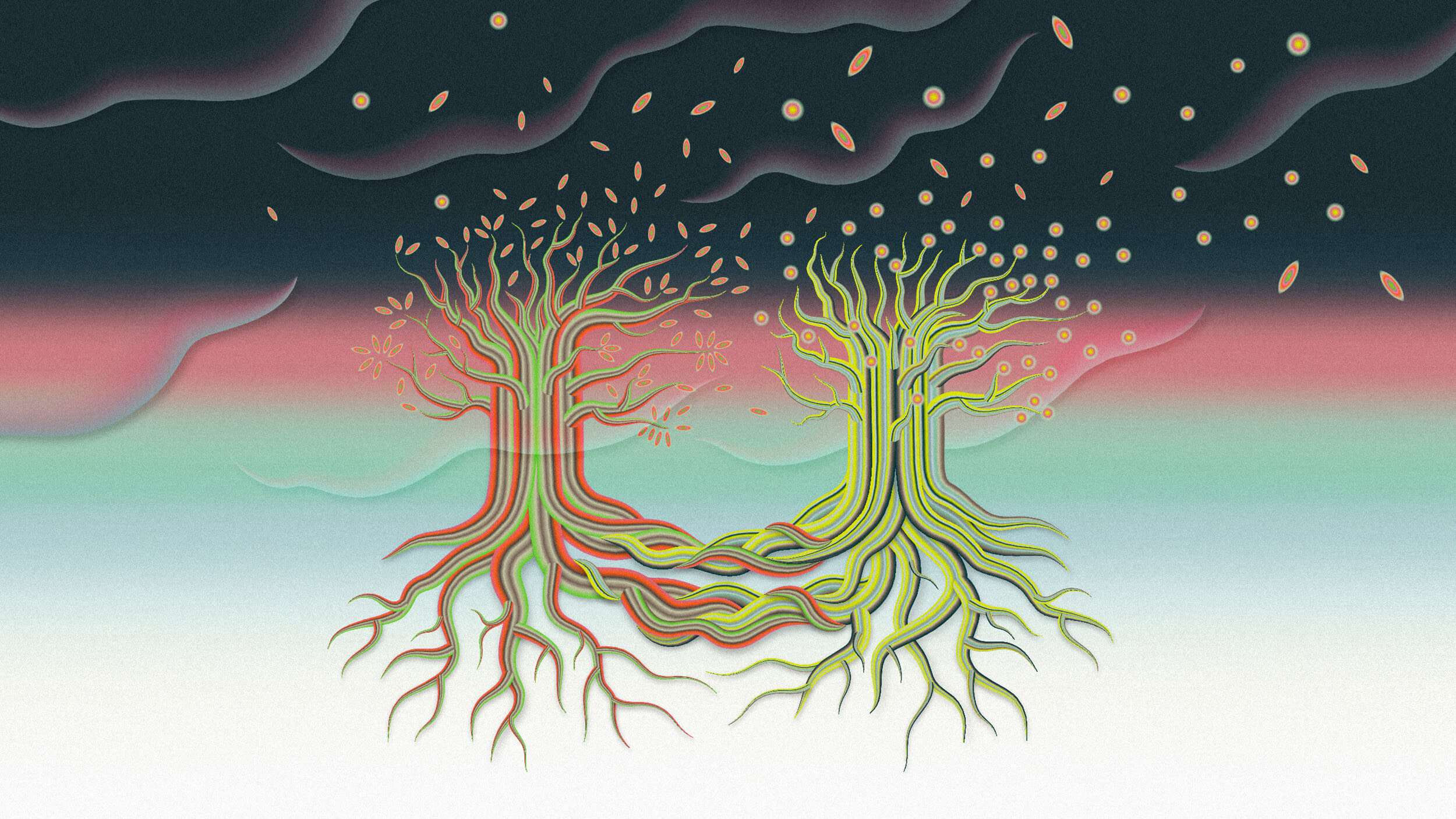
How rats conquered Earth
Cognitive flexibility, opportunistic survival, and social cooperation have allowed rats to thrive in conditions that wipe out other species.
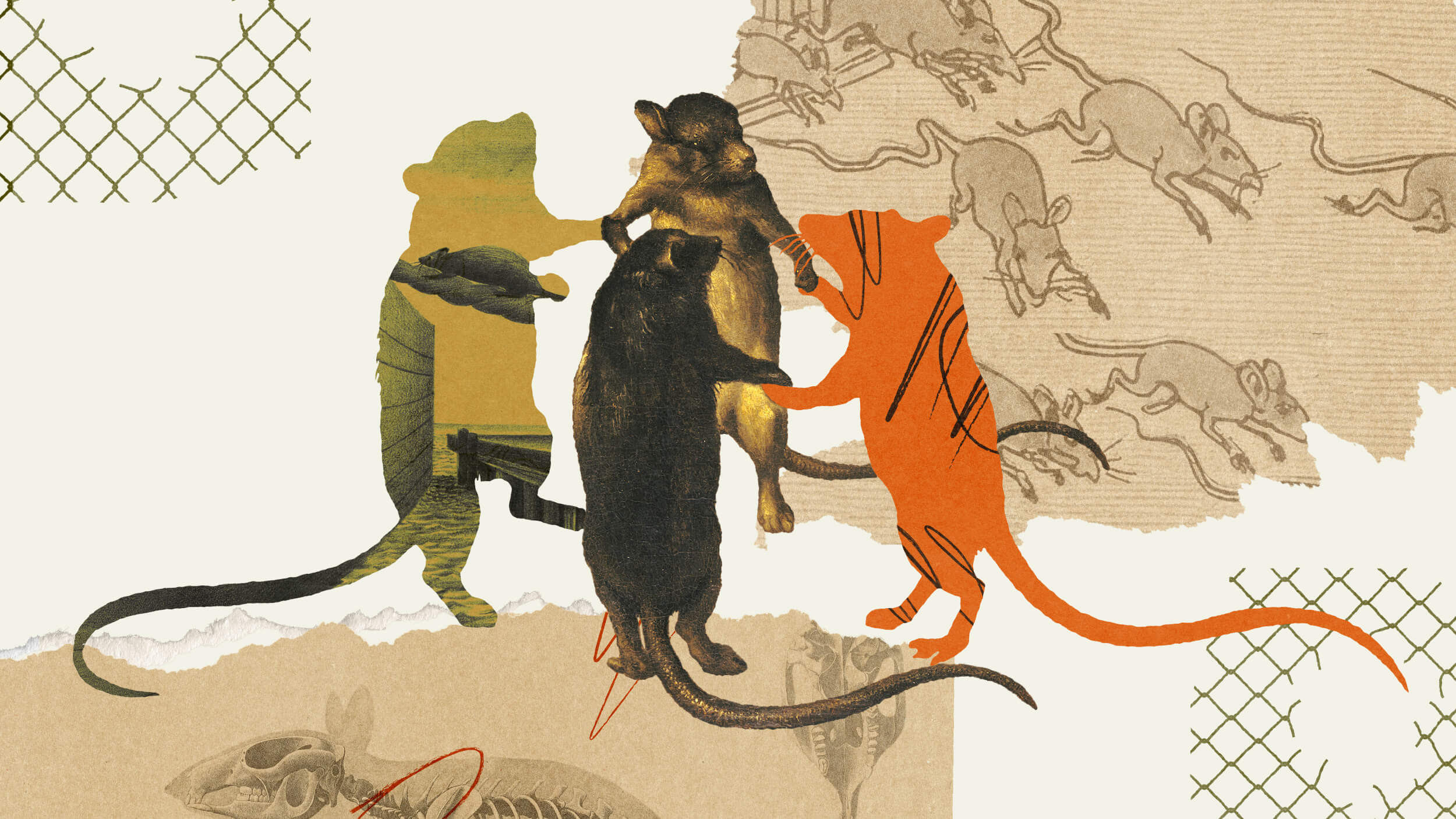
The daffodil’s guide to outliving the winter
What a fragile flower can teach us about resilience, death, and becoming someone new.

We saved the world once — we can do it again
The ozone hole was going to destroy life as we know it, but an unprecedented global effort fixed the problem.
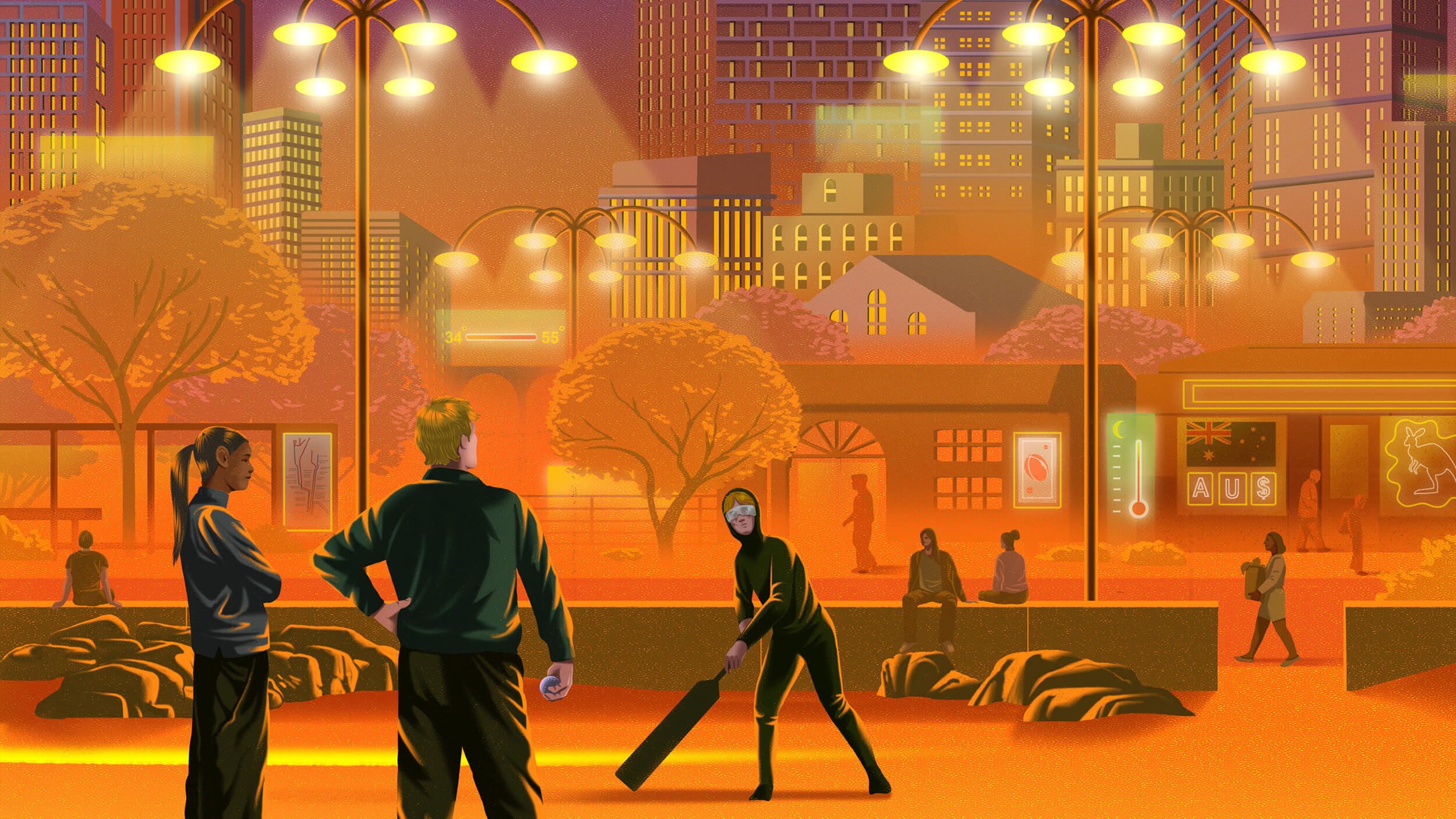
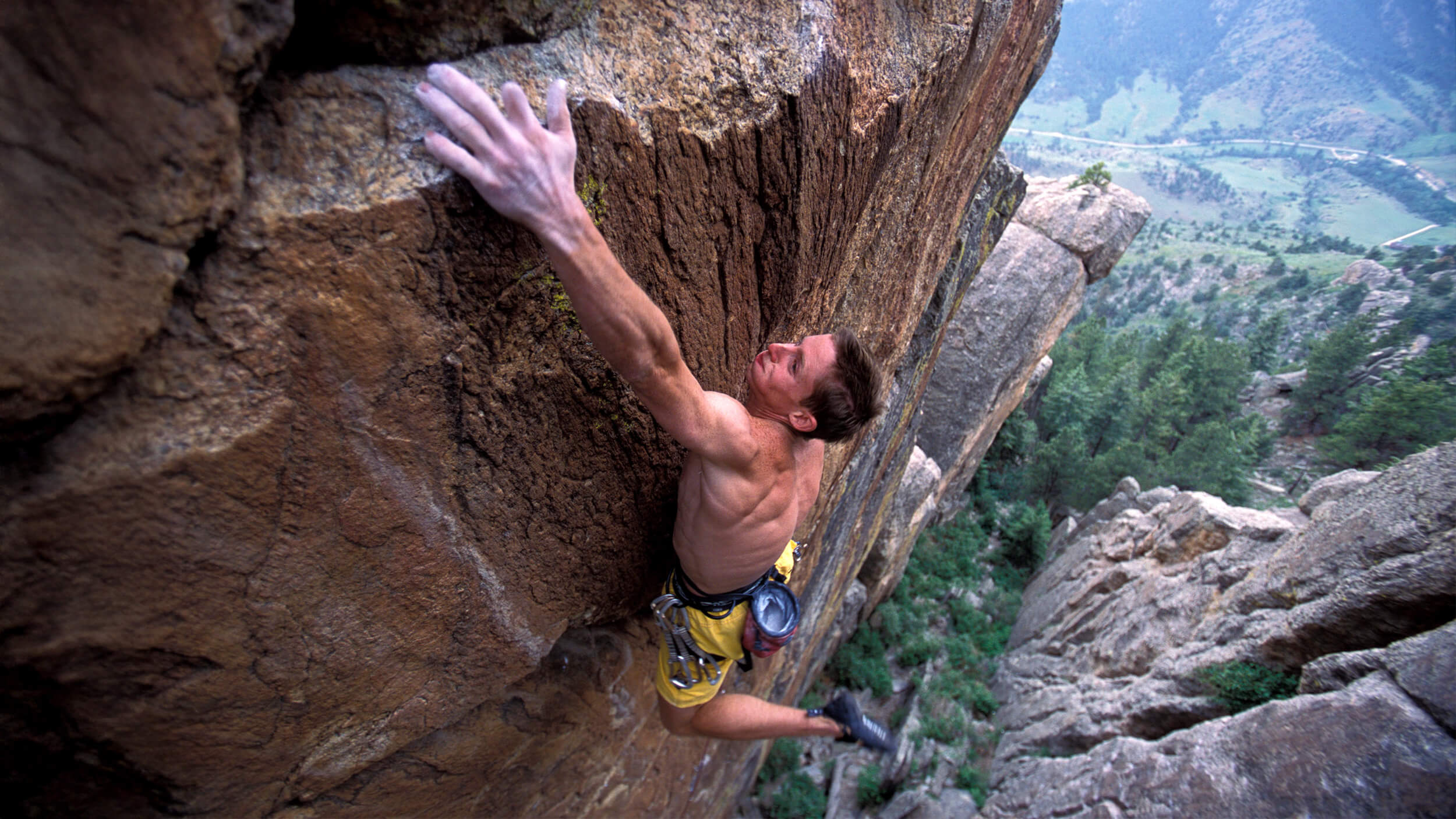
Kidnapped by terrorists. Lost a finger. Still became a rock-climbing legend.
A day in the Sierra Nevada with Tommy Caldwell reveals how pain, trauma, and “elective hardship” became the foundation of his fortitude.
The first homes on Mars may be alive
Instead of hauling heavy building materials across space, future astronauts may grow fungal shelters from spores, waste, and local regolith.

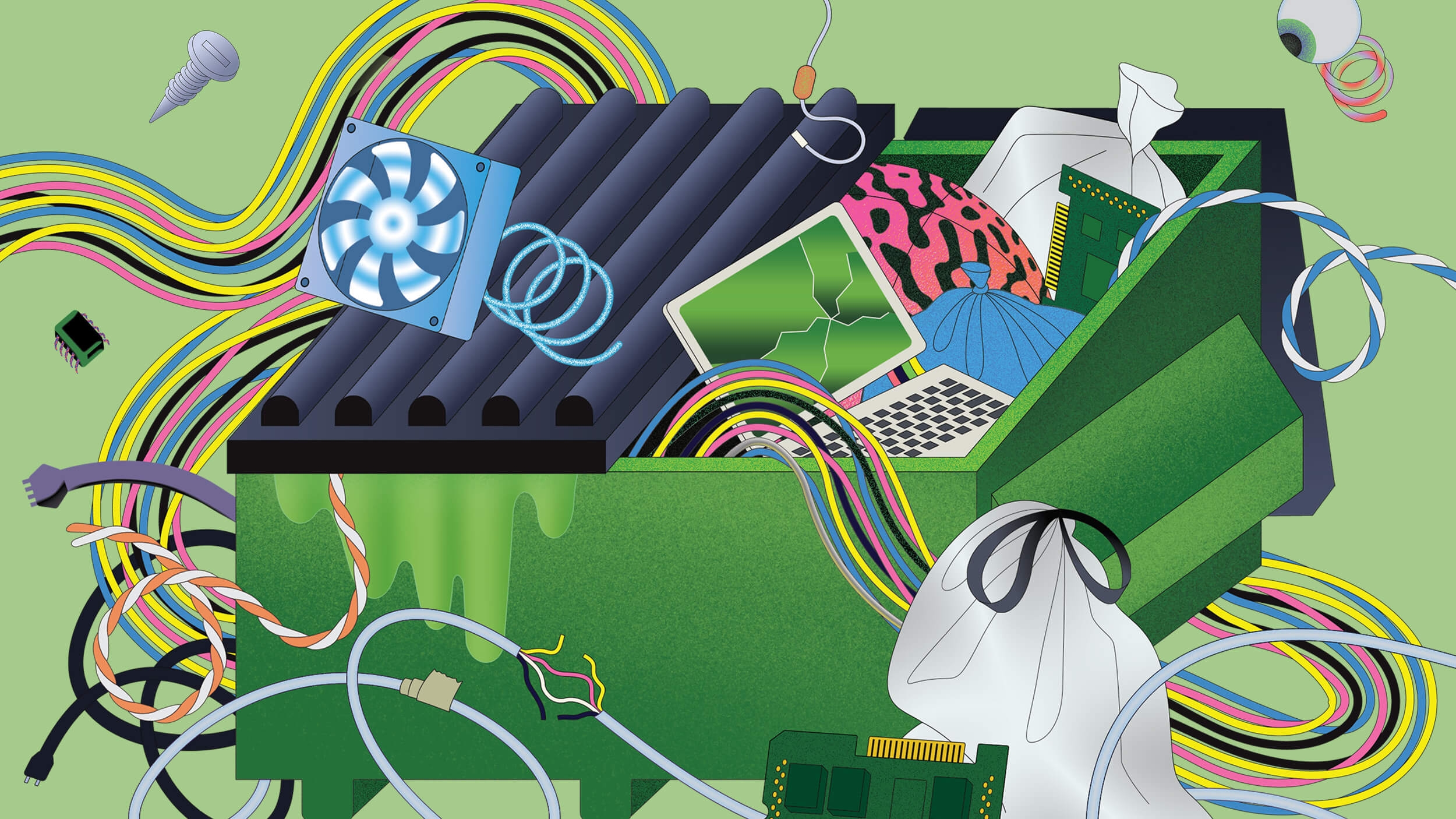
Why fixing your gadgets often costs more than replacing them
A broken laptop hinge revealed a broader shift in how modern products are designed, sold, and owned
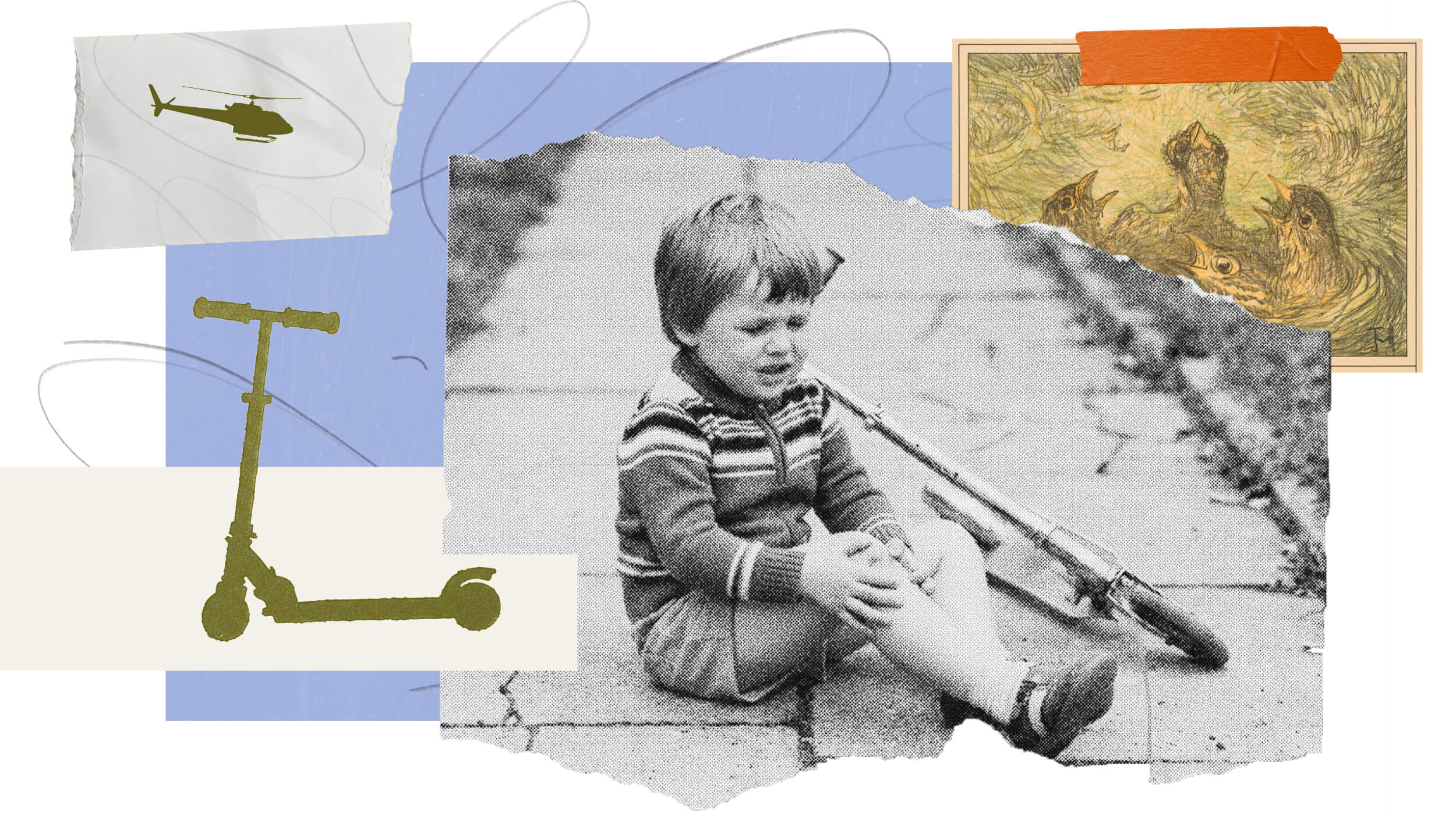
The quiet disappearance of the free-range childhood
When can a kid play outside alone? Two parents, one stranger, and the state collide.
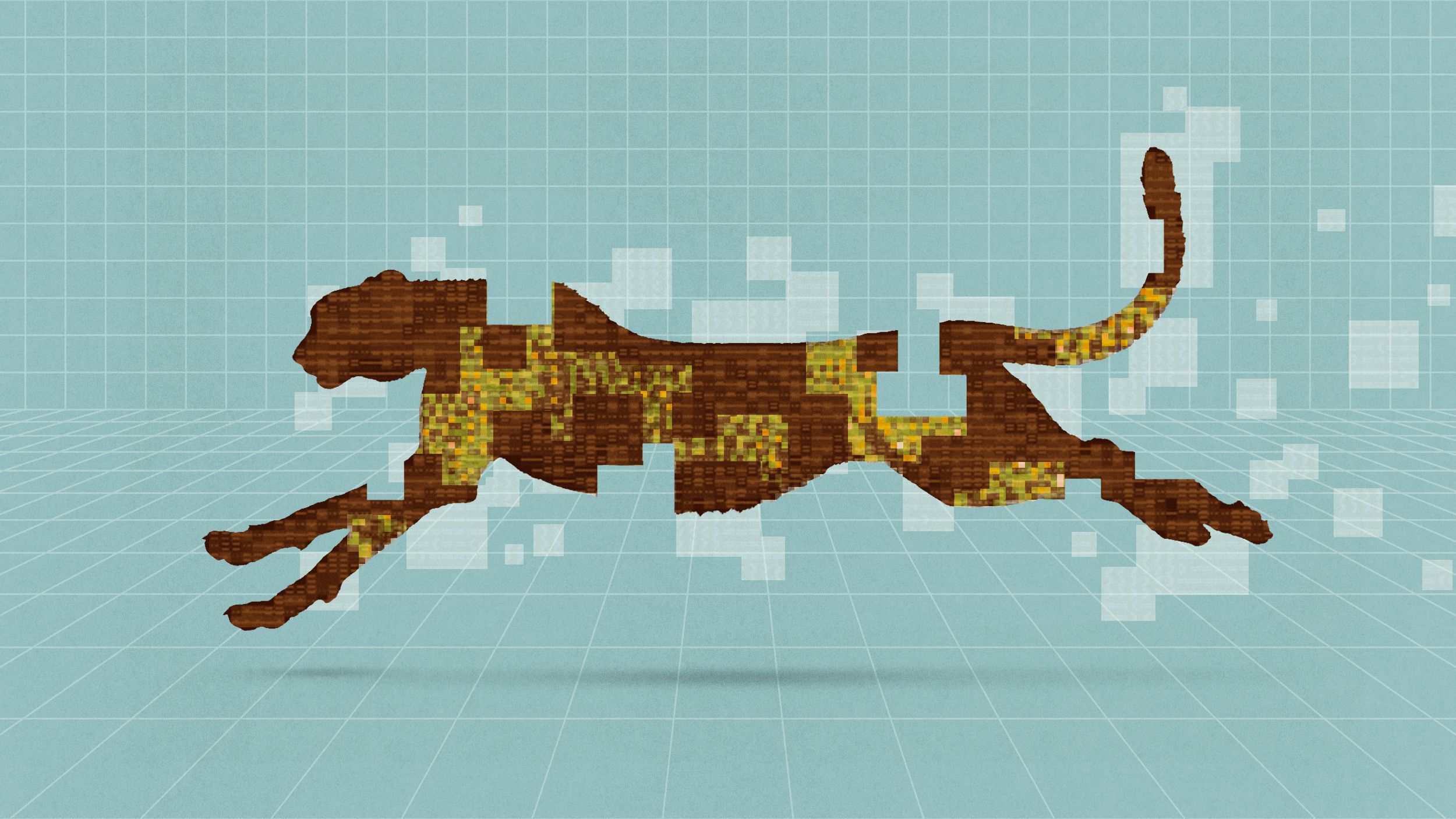
The paradox at the heart of AI progress
AI is unlocking unprecedented capabilities — and exposing new vulnerabilities just as quickly.
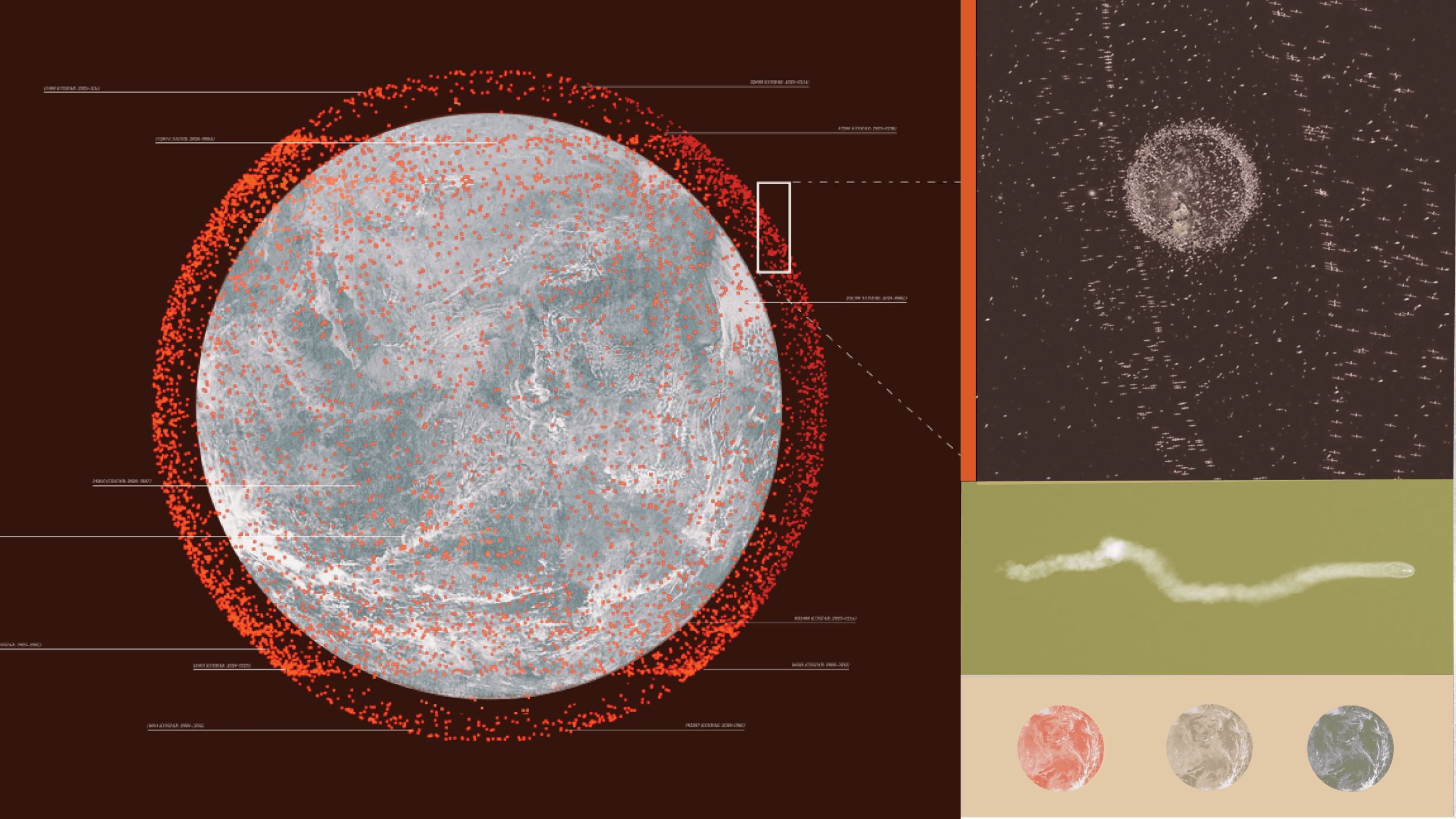
Earth’s orbit is getting crowded. Here’s how we avoid a disaster.
We’ve populated low-Earth orbit with satellites in record time — now we have to figure out how to keep it safe.
How old lies find new believers online
Long-debunked conspiracies don’t disappear—they evolve and thrive in the age of algorithms.
The resilience paradox: When pushing through makes things worse
When applied blindly, resilience can do real harm to our health and our ability to change broken systems.
The centuries-old “love story” that was really a tale of psychological abuse
Classic literature reveals how resilience can be both a source of strength in troubled times — and a dangerous ideal.
Why forcing positivity after trauma doesn’t build resilience
“There are at least three very much interrelated misconceptions about trauma right now.”
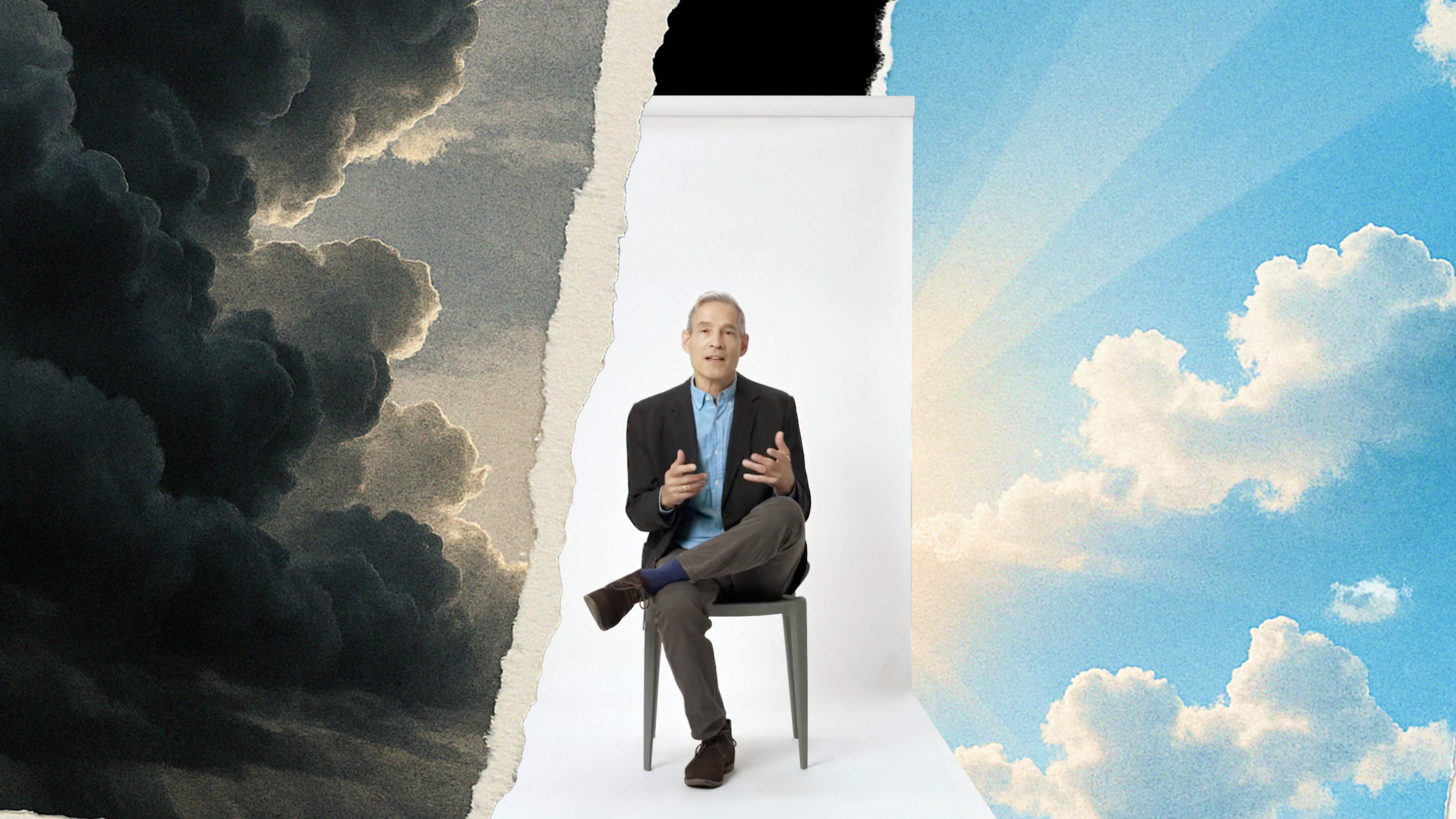
Reboot your mind for flow, unanxiousness, and resilience
“We can use neuroscience and tools from psychology to learn how to take advantage of anxiety.” From Zen Buddhism to flow state, these 3 experts explain how to hack your brain.
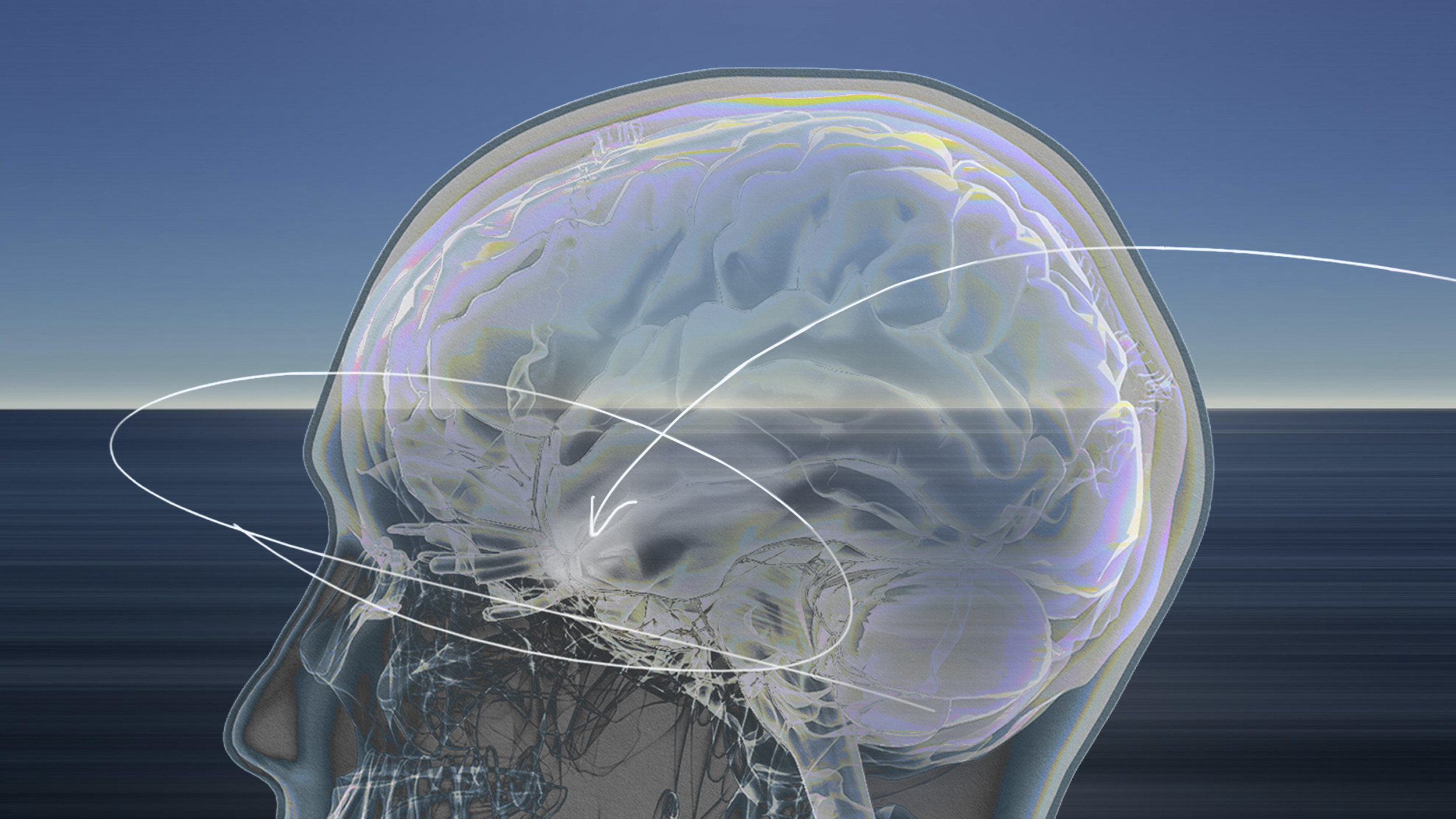
The surprising case for denial as a path toward resilience
Tara Narula shares how journalist Richard Cohen challenged conventional ideas about illness, identity, and strength while living with MS.